

Maddy summaryThis bill amends immigration law to expand mandatory detention for non-citizen immigrants convicted of specific property crimes. It adds trespassing, vandalism, and arson to the list of offenses that trigger detention under Section 236(c) of the Immigration and Nationality Act, alongside burglary and serious bodily injury. Non-citizen immigrants convicted of these crimes would now face automatic detention without bond, rather than potentially being released pending removal proceedings. The key change modifies existing detention criteria to include these three property crimes as grounds for mandatory immigration detention.
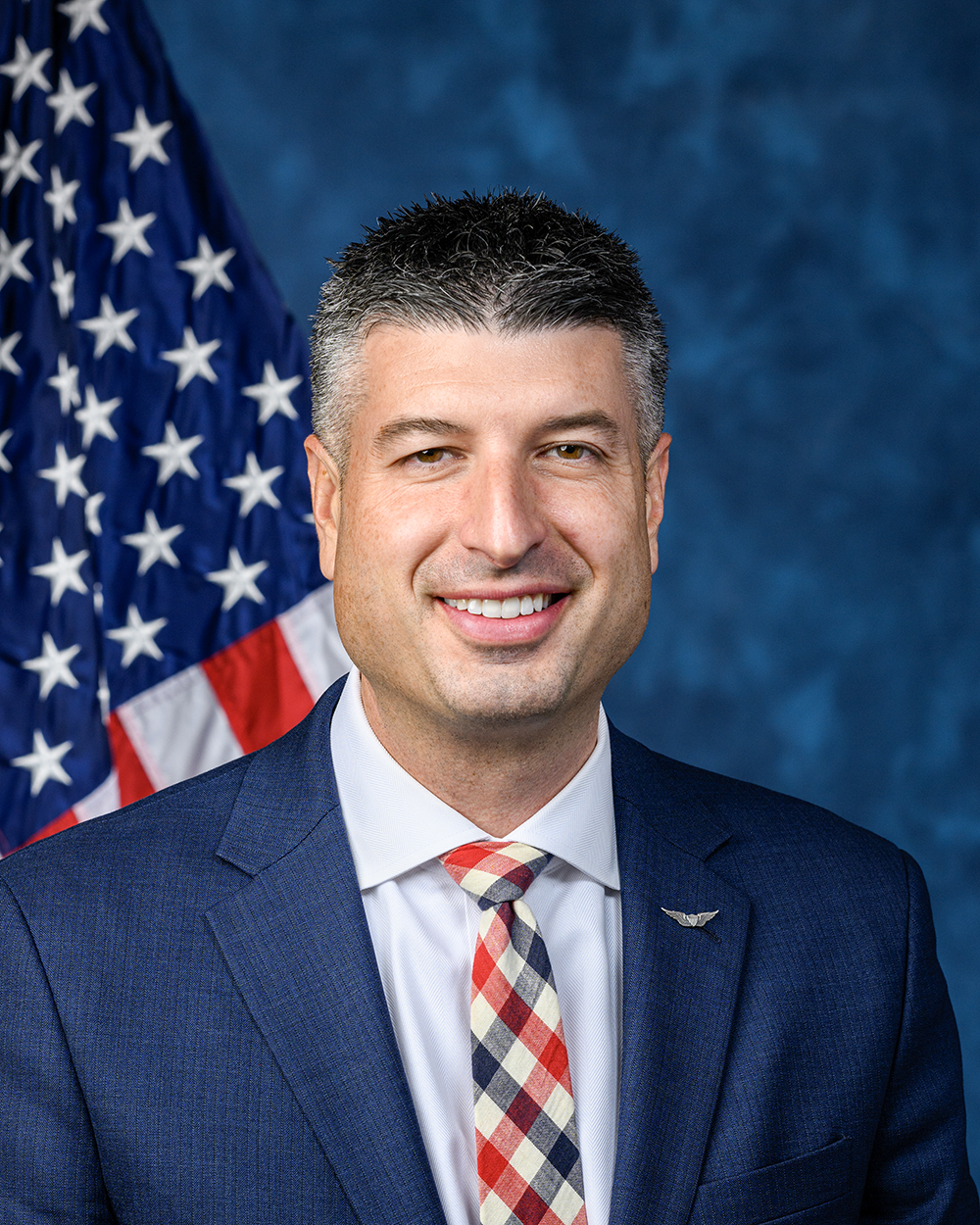
Rep. Tom Barrett
Sponsored bills
Maddy summaryHR 1039, the Clear Communication for Veterans Claims Act, requires the Department of Veterans Affairs (VA) to commission an independent assessment of notices sent to veterans filing claims. Within 30 days of enactment, the VA must partner with a federally funded research center to evaluate these notices, focusing on making them clearer, more concise, and better organized while reducing paper use and government costs. The assessment, developed with input from veterans' groups and experts, must be submitted to Congress within 90 days, and the VA must implement feasible recommendations within one year. This bill directly affects veterans navigating claims processes and aims to improve their experience through clearer communication. The bill also includes a minor technical change to housing loan fee deadlines.
Maddy summaryThis bill, HR 2102 (Major Richard Star Act), allows veterans with combat-related disabilities to receive both full military retired pay and veterans' disability compensation simultaneously, without the previous offset that reduced retired pay. It directly affects veterans already eligible for both benefits due to combat-related injuries, removing the requirement that their retired pay be reduced by the disability compensation amount. The key provision amends Title 10 and Title 38 to eliminate the offset rule (sections 5304 and 5305 of Title 38) for these veterans. The change applies to payments starting after the bill’s enactment date, effective for all qualifying veterans. This is a policy change to increase financial support for affected veterans, not a new benefit.
Sanctioning Russia Act of 2025 This bill imposes penalties on certain persons (individuals and entities) if the President determines that the Russian government or a person acting at Russia's direction is involved with (1) refusing to negotiate a peace agreement with Ukraine; (2) violating a negotiated peace agreement; (3) initiating another invasion of Ukraine; or (4) overthrowing, dismantling, or seeking to subvert the Ukrainian government. If the President makes such a determination, the bill requires certain actions including the President must impose visa- and property-blocking sanctions on specified persons such as the Russian president, certain Russian military commanders, and any foreign person that knowingly provides defense items to the Russian armed forces; the President must increase the rate of duty on all goods and services imported from Russia into the United States to at least 500% relative to the value of such goods and services; the President must increase the rate of duty on all goods and services imported into the United States from countries that knowingly engage in the exchange of Russian-origin uranium and petroleum products to at least 500% relative to the value of such goods and services; the Department of the Treasury must impose property-blocking sanctions on any financial institution organized under Russian law and owned wholly or partly by Russia, and any financial institution that engages in transactions with those entities; and the Department of Commerce must prohibit the export, reexport, or in-country transfer to or in Russia of any U.S.-produced energy or energy product.
Maddy summaryHR 2551, the Military Installation Retail Security Act of 2025, prohibits the U.S. Department of Defense from renewing, extending, or entering into long-term retail contracts with businesses controlled by "covered nations" (nations designated under existing law as security concerns) on military installations in the U.S. It requires retailers to disclose ownership ties to covered nations to the Committee on Foreign Investment in the U.S. (CFIUS), which must assess national security risks within 180 days. The bill allows limited waivers only if essential services for troops' welfare are unavailable elsewhere and security risks are mitigated, with strict reporting requirements. Retailers failing to disclose ownership changes or misrepresenting control face immediate contract termination. This directly affects retailers operating on military bases with potential foreign ties.
Maddy summaryHR 2165, the Choice in Automobile Retail Sales Act of 2025, amends the Clean Air Act to prevent the Environmental Protection Agency (EPA) from writing future tailpipe emissions regulations that mandate specific vehicle technologies (like electric or hydrogen systems) or limit the availability of new vehicles based on engine type (e.g., gasoline vs. electric). The bill requires the EPA to update its regulations within 24 months to ensure new rules comply with these restrictions. This directly affects the EPA’s regulatory authority and automakers, as it limits how emissions standards can be structured. The law aims to preserve consumer choice in vehicle types by preventing regulations from favoring one engine technology over others.
Maddy summaryThe Providing Veterans Essential Medications Act requires the Department of Veterans Affairs to reimburse State homes or provide medications directly for certain high-cost drugs used by veterans in State-run nursing homes. A medication is defined as high-cost if its price (including a 3% fee) exceeds 8.5% of the VA's monthly payment for the veteran's care at that home. This applies specifically to State homes that provide such medications to veterans under VA contracts. The bill ensures veterans receive essential medications without financial burden on the State homes, using clear cost thresholds to determine eligibility.
TAP Promotion Act This bill requires that pre-separation counseling under the Transition Assistance Program include a presentation that promotes the benefits available to veterans from the Department of Veterans Affairs (VA). The bill also requires the VA to annually report on the presentation to (1) identify veterans service organizations that participate, (2) provide the number of members of the Armed Forces who attend, and (3) provide any recommendations for changes to the presentation.
Maddy summaryThis bill requires the U.S. Secretary of Transportation, working with the Coast Guard and Defense departments, to submit a report within one year of enactment. The report must assess security risks at the Soo Locks in Sault Ste. Marie, Michigan, and analyze potential supply chain disruptions, economic impacts, and threats to the locks' integrity. It also mandates an evaluation of current security measures and recommendations with cost estimates for improving security and reducing supply chain vulnerabilities. The report will be submitted to specific congressional committees focused on transportation, commerce, and environment. (Procedural bill; summary focuses on required reporting, not policy implementation.)
Maddy summaryHR 2169 adjusts federal holiday scheduling to prevent Martin Luther King, Jr. Day and Inauguration Day from overlapping. If both holidays would fall on the same date (the third Monday in January), the bill shifts Martin Luther King, Jr. Day to the Tuesday following that Monday. This ensures federal employees and government operations observe each holiday on separate days. The change applies to federal offices and institutions following the U.S. Code's holiday schedule.