

Maddy summaryThis bill requires Medicare Advantage plans to implement electronic pre-approval systems for medical services by 2028 and meet transparency reporting standards starting in 2027. Plans must publicly report data on approval/denial rates, appeal outcomes, response times, and technology use for pre-approval requests, including details on how denials relate to clinical criteria. It establishes a 24-hour response timeframe for certain requests and mandates annual reviews of pre-approval requirements based on data and input from seniors and providers. The law directly affects Medicare Advantage plans, seniors enrolled in these plans, and healthcare providers who submit pre-approval requests. These changes aim to make the pre-approval process faster, more transparent, and more accountable for seniors seeking covered medical services.
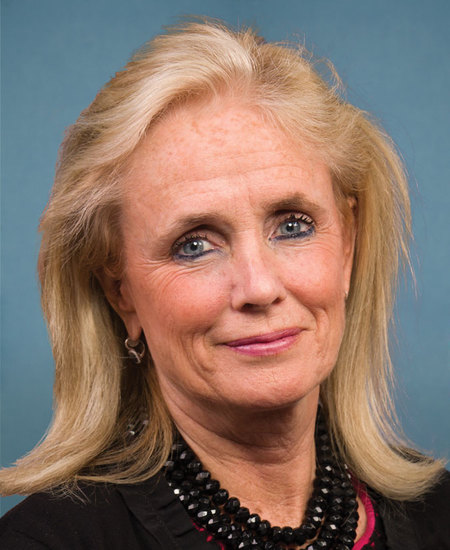
Rep. Debbie Dingell
Sponsored bills
Maddy summaryThe High Court Gift Ban Act prohibits federal judicial officers from accepting gifts from sources likely to appear before them, unless the gift is under $50, the total annual value from that source remains $100 or less, or it falls under specific exceptions like gifts from relatives or public events. The law defines a "gift" broadly to include items, services, and reimbursements, while allowing exceptions for personal hospitality within IRS limits and certain professional benefits available to the general public. Enforcement mechanisms include referrals to the Attorney General for violations, which can result in civil or criminal penalties similar to those for other federal ethics breaches. The bill requires the Supreme Court and the Judicial Conference to create implementing regulations within 180 days of enactment to ensure compliance.
Maddy summaryThe Menopausal Workers' Fairness Act of 2026 expands federal employment protections to explicitly cover workers experiencing menopause and related symptoms, requiring employers with 15 or more employees to provide reasonable accommodations unless doing so causes significant business hardship. Under this bill, it would be illegal for employers to discriminate against or retaliate against qualified employees who request accommodations for issues such as hot flashes, fatigue, or mood changes, while also mandating that medical information regarding these conditions remains confidential. The legislation includes a specific list of low-cost adjustments, such as allowing extra restroom breaks or flexible sitting and standing, that employers must grant without requiring extensive documentation. Enforcement and legal remedies for violations will follow the same procedures currently used for age and disability discrimination claims, and the Equal Employment Opportunity Commission is tasked with issuing detailed regulations within a year of the law's passage.
Maddy summaryThis resolution expresses support for designating July 10th as Journeyman Lineworkers Recognition Day to honor the workers who maintain the nation's electrical grid. The bill specifically recognizes the dangerous conditions these employees face, such as working at heights near live power lines and responding to disasters like hurricanes and wildfires. It also commemorates Henry Miller, the first president of the International Brotherhood of Electrical Workers, who died on July 10, 1896, while performing his duties. Ultimately, the measure encourages the public to observe this day with reflection on the contributions of lineworkers.
Maddy summaryThe Find Our Families Act of 2026 requires the Department of Homeland Security to create a public online system that allows families to locate individuals detained by Customs and Border Protection or Immigration and Customs Enforcement. This system must provide search results within eight hours of detention, display information in multiple languages, and include specific details such as names, dates of birth, and facility locations, while excluding data for minors. The bill also mandates that families be notified within five hours if a detainee is transferred for medical care and establishes new reporting requirements for CBP arrests, including details on the circumstances of the arrest and the number of agents involved. Additionally, the legislation creates a process for families to report errors in detainee information and imposes penalties on employees or contractors who fail to comply with these data-sharing and reporting obligations.
Maddy summaryThe No PFAS in Cosmetics Act prohibits the sale of cosmetics in the United States if they contain intentionally added perfluoroalkyl or polyfluoroalkyl substances. This ban specifically targets fluorinated chemicals that manufacturers add to products for a functional or technical purpose, as well as certain breakdown products of those chemicals. The regulation will take effect on January 1, 2027, applying to all cosmetic products and their packaging. Additionally, the bill repeals a previous provision from the Modernization of Cosmetics Regulation Act of 2022 to ensure consistency with this new restriction.
Maddy summaryThe Keep Food Containers Safe from PFAS Act of 2026 prohibits the sale of food packaging that contains intentionally added PFAS chemicals starting on January 1, 2027. This law directly impacts manufacturers and distributors by banning the introduction of such packaging into interstate commerce. The bill specifically defines PFAS as a group of fluorinated organic chemicals that include at least one fully fluorinated methyl or methylene carbon atom. By amending the Federal Food, Drug, and Cosmetic Act, the legislation ensures that food containers sold across state lines will not include these specific substances.
Maddy summaryThis resolution formally acknowledges Michigan's contributions to the United States as the nation celebrates the 250th anniversary of the Declaration of Independence. It recognizes that Michigan became the 26th state in 1837 and highlights the lasting impact its residents have had on the country's success. The measure encourages all citizens to reflect on the ideals of the Founding Fathers and the fight for independence. As a commemorative action, the bill does not create new laws or change existing policies but serves to honor historical events and state achievements.
Maddy summaryThis resolution commemorates the 250th anniversary of the United States in 2026 while reaffirming the importance of prevention and access to healthcare. It expresses the sense of Congress that a healthy nation is essential for preserving the ideals of life, liberty, and the pursuit of happiness for future generations. The bill encourages efforts to improve preventive care, screenings, health education, and access to clean air and water. It does not create new laws or funding but serves as a symbolic statement to renew national commitment to public health.
Maddy summaryThe Shandra Eisenga TB Study Act of 2026 directs the Department of Health and Human Services to conduct a study on creating a standardized test for detecting tuberculosis in human cadaver tissue. This initiative aims to improve donor screening and transplant safety by evaluating current scientific knowledge, testing methodologies, and potential implementation barriers. The study will involve collaboration with various health agencies and stakeholders, with a focus on diverse populations and multiple collection sites. By the end of 2029, the department must submit a report to Congress detailing its findings and recommending necessary steps to develop or implement this new testing strategy.