

Maddy summaryThe YouthBuild for the Future Act aims to strengthen and expand the existing YouthBuild program, which provides education and job training to young people. The bill increases authorized funding for the program and creates a new grant program to foster partnerships between YouthBuild programs and employers, aiming to develop more employment opportunities for participants. It reserves a portion of increased funds for rural areas and programs serving Native American, Alaska Native, and Native Hawaiian communities. Furthermore, the bill expands the types of supportive services YouthBuild programs can offer, including meals and assistance with applying for federal and state benefit programs.
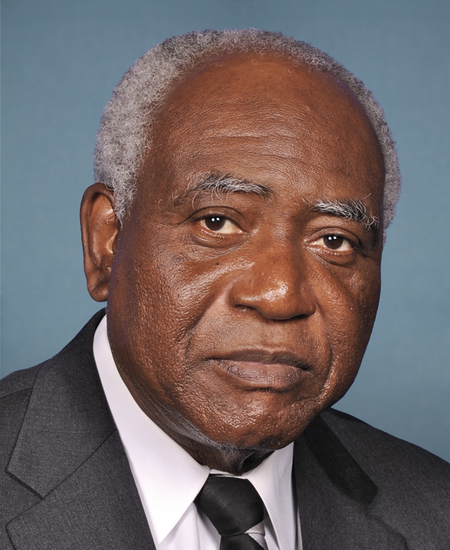
Rep. Danny K. Davis
Sponsored bills
Maddy summaryThis bill, titled the "Millionaires Surtax Act," establishes a new 10% surcharge on high-income individuals. This additional tax applies to the portion of a taxpayer's "modified adjusted gross income" that exceeds $2,000,000 for married couples filing jointly, or $1,000,000 for single filers. The bill defines "modified adjusted gross income" with specific deductions and includes special rules for certain taxpayers, such as non-resident aliens and charitable trusts. If enacted, these changes would take effect for taxable years beginning after December 31, 2026.
Maddy summaryThe Supporting VA Families Act grants unpaid parental leave to Department of Veterans Affairs employees. This provision allows employees to take four weeks of unpaid leave within a 12-month period for the birth of a child or for adoption and foster care placements. The leave is designed to supplement existing leave policies rather than replace them, ensuring employees can balance family needs with their work responsibilities. The act defines eligible employees and children according to existing federal definitions found in Title 5 of the United States Code.
Maddy summaryThis resolution expresses support for designating April 2026 as "Second Chance Month" to raise awareness about barriers faced by people with criminal records. The bill does not create new laws or change existing policies but serves as a symbolic gesture to highlight challenges in employment, housing, and education for formerly incarcerated individuals. It calls on communities, employers, and organizations to promote awareness of these obstacles and encourage efforts to help people reintegrate into society. The resolution honors the bipartisan First Step Act of 2018 and the Second Chance Act of 2007, which provide reentry services to incarcerated individuals.
Maddy summaryThis resolution designates the week of April 20 through April 24, 2026, as National Home Visiting Week to raise awareness about home visiting programs that support families. The bill does not create new funding or change existing laws, but instead formally recognizes the importance of these services that help parents, promote healthy child development, and strengthen family relationships. It highlights statistics showing that over 284,000 families received home visiting services in 2024, with more than 20,000 home visitors providing support nationwide. The resolution serves as a commemorative measure to acknowledge the role of home visitors in providing practical, emotional, and educational assistance to families across the United States.
Maddy summaryThe Educational Equity Challenge Grant Act of 2026 establishes a federal grant program to help eligible educational entities address students' academic, social-emotional, mental, behavioral, and physical health needs, including those impacted by the COVID-19 pandemic. Administered by the Secretary of Education, the program awards funds for either implementing proven, evidence-based strategies or designing and evaluating new, educator-initiated proposals. Priority for these grants is given to entities serving high-need student populations, such as those in rural areas, low-income communities, and various disproportionately affected groups. Recipients must report annually on how funds were used and their impact on student outcomes.
Maddy summaryThis bill seeks to block a specific rule issued by the Department of Education that affects the William D. Ford Federal Direct Loan Program. If passed, it would prevent the rule from taking effect, meaning the proposed changes to federal student loans would not be implemented. The measure uses a legislative process known as a joint resolution of disapproval to override agency regulations. It directly impacts students, families, and institutions that rely on federal student loans by stopping the Department of Education from enforcing the new policy.
Maddy summaryThis bill expands family leave protections under the Family and Medical Leave Act to include time off for employees when their son or daughter dies. It allows eligible workers to take up to 12 weeks of unpaid leave within 12 months of the death, with provisions for using paid leave balances and requiring advance notice when the loss is foreseeable. The legislation also updates rules for civil service employees and establishes certification requirements that employers may request to verify the need for leave.
Maddy summaryThis bill directs the Secretary of Agriculture to create a pilot grant program that funds Food is Medicine initiatives, which connect community organizations with healthcare providers to help people manage diet-related diseases through nutrition-focused services. The program would provide grants for activities such as medically tailored grocery deliveries, cooking classes, and emergency food operations, with priority given to projects using local foods and involving nutrition professionals. Funding of up to $20 million is authorized for fiscal years 2027 through 2031, and the Secretary must submit reports to Congress on how the program affects participant health outcomes and system costs.
Maddy summaryThis resolution formally supports the goals and ideals of Social Work Month and World Social Work Day, which are observed on March 17, 2026. It recognizes the contributions of social workers across various settings including healthcare, schools, child welfare agencies, and disaster relief efforts. The measure acknowledges the profession's role in addressing mental health, addiction, poverty, and social justice while encouraging awareness of social workers' integral role in community well-being.