

Maddy summaryHR 1040, the Senior Citizens Tax Elimination Act, would stop taxing Social Security benefits for seniors by repealing the current tax rule that includes some benefits in gross income. It directly affects senior citizens who currently pay federal income tax on portions of their Social Security payments. The bill adds a provision stating Section 86 of the tax code (which taxes Social Security benefits) no longer applies after enactment. To offset the lost tax revenue, the bill requires the government to appropriate funds to the Social Security and Railroad Retirement trust funds, ensuring they remain fully funded without requiring tax increases.
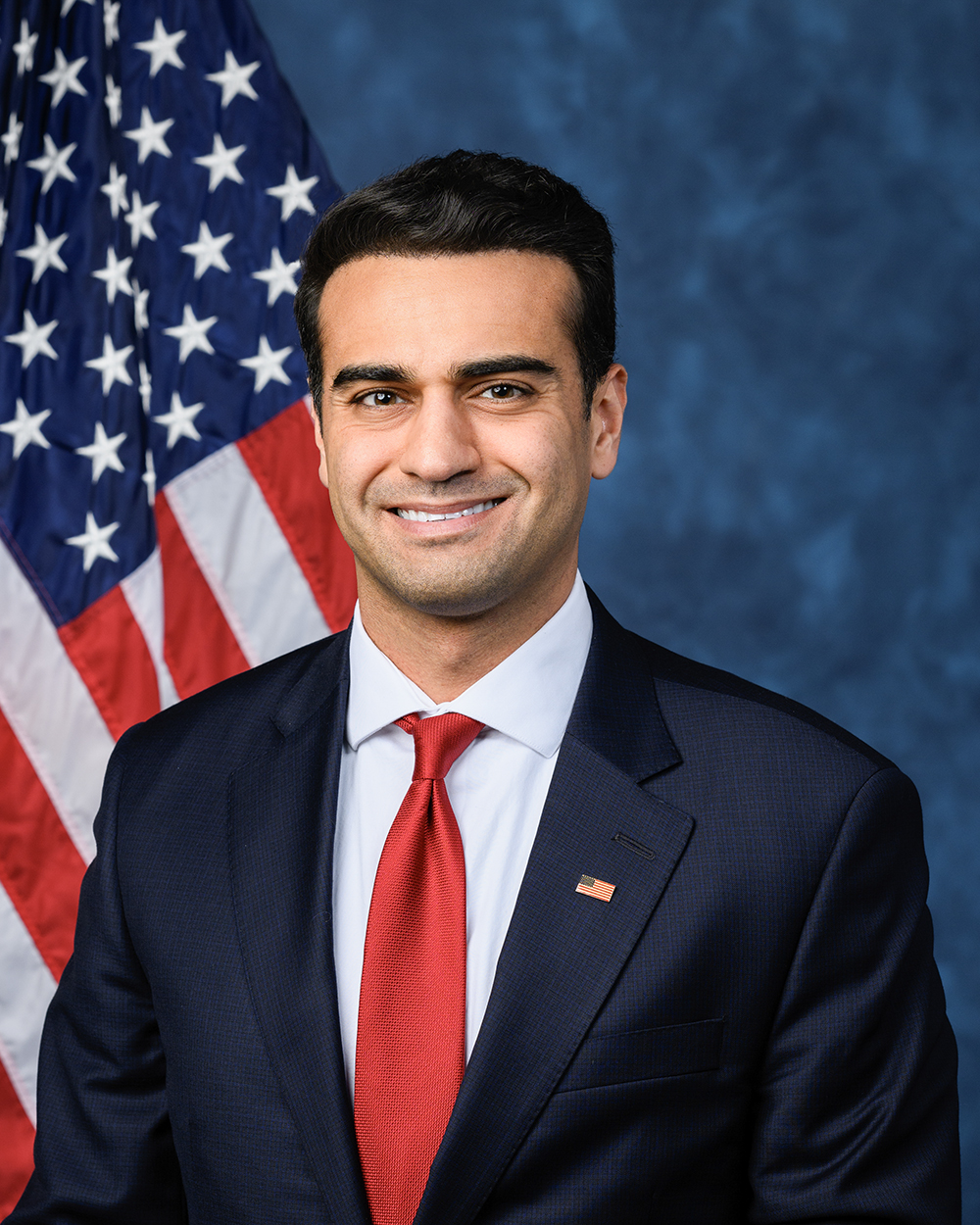
Rep. Abraham J. Hamadeh
Sponsored bills
Maddy summaryHRES 110 prohibits the distribution of Chinese Communist Party-controlled publications, such as *China Daily*, within House facilities like the Capitol building and House office buildings. It requires the Chief Administrative Officer to immediately stop accepting, distributing, or using internal mail systems for these materials, which are defined as publications registered under the Foreign Agents Registration Act and controlled by the CCP. The resolution does not restrict private receipt of such publications by Members or staff, access through public libraries, or the Library of Congress’s collection. This policy change applies immediately to all House-owned or operated facilities.
Fair Access to Banking Act This bill places restrictions on certain banks, credit unions, and payment card networks if they refuse to do business with a person who complies with the law. Restrictions include prohibiting the use of electronic funds transfer systems and lending programs, termination of an institution's depository insurance, and specified civil penalties. Banks and other specified financial institutions are allowed to deny financial services to a person only if the denial is justified by a documented failure of that person to meet quantitative, impartial, risk-based standards established in advance by the institution. This justification may not be based upon reputational risks to the institution. The bill establishes the right for a person to bring a civil action for a violation of this bill.
Maddy summaryHR 943, the "No User Fees for Gun Owners Act," bans states and local governments from requiring insurance, taxes, or user fees as conditions for owning, buying, or selling firearms. It specifically prohibits these fees for firearm manufacture, importation, acquisition, transfer, or continued ownership, except for general sales taxes applied equally to all goods. The bill amends federal law to prevent states from imposing such conditions on gun ownership or commerce, while allowing standard sales taxes to apply uniformly. This directly affects gun owners, dealers, and manufacturers by removing mandatory fees tied to firearm transactions. The law does not restrict general sales taxes but eliminates state-specific fees as a prerequisite for firearm-related activities.
Maddy summaryHR 925, the "Dismantle DEI Act of 2025," would eliminate diversity, equity, and inclusion (DEI) programs across federal government operations. The bill requires federal agencies to close DEI offices, rescind related executive orders, and prohibit the use of federal funds for DEI training, offices, or initiatives. It defines "prohibited diversity, equity, or inclusion practice" as any activity that discriminates based on race, ethnicity, religion, biological sex, or national origin, or requires employees to complete training asserting that certain groups are inherently superior or inferior. The legislation also prohibits requiring employees to sign statements about race, ethnicity, or gender, and establishes private lawsuits for violations with potential damages of $1,000 per violation per day. This bill would directly affect federal agencies, contractors, grantees, and advisory committees receiving federal funding.
Maddy summaryH.J. Res. 31 proposes a constitutional amendment requiring all voters to be U.S. citizens, U.S. nationals, or lawful permanent residents (green card holders) for any election. This would prohibit non-citizens without national status or a green card from voting in federal, state, tribal, local, or territorial elections - including city council or school board races. The amendment must be ratified by 38 states (three-fourths of all states) within seven years to become part of the Constitution. Currently, most states already restrict voting to citizens, but this would extend that requirement nationwide and constitutionally.
Maddy summaryHR 902, the "RECOGNIZING Judea and Samaria Act," mandates that the U.S. government replace the term "West Bank" with "Judea and Samaria" in all official federal documents, communications, and materials. It prohibits federal agencies from using "West Bank" in policy, regulations, or public communications after enactment, with limited exceptions for international treaty obligations. The bill requires specific legal amendments across multiple laws, including the Foreign Assistance Act and the Taylor Force Act, to update references to the territory. This change affects only U.S. government terminology, not the legal status of the territory or any policies toward it. The bill does not alter funding, regulations, or diplomatic positions but focuses solely on renaming the area in federal communications.
Maddy summaryHR 882 prohibits states and local jurisdictions from hiring non-U.S. citizens to administer federal elections. It requires all election administrators for federal office (like president or Congress) to be U.S. citizens, applying to elections held on or after the bill's enactment date. This directly affects election officials in all states and localities managing federal races by changing their hiring eligibility rules. The bill does not alter voting rights or election procedures for voters, only the citizenship requirement for those managing the process.
Maddy summaryThis bill expands the Anti-Boycott Act of 2018 to cover boycotts promoted or enforced by international governmental organizations (IGOs), not just foreign countries. It adds "international governmental organization" to key definitions in the law and requires the President to annually report to Congress on foreign countries and IGOs that foster or impose such boycotts. The law directly affects U.S. businesses and entities subject to boycotts by IGOs, like the United Nations or World Trade Organization. The changes are technical amendments to existing definitions and reporting requirements.
Maddy summaryThis bill establishes a process for presidential and vice-presidential candidates requesting Secret Service protection. If denied, the Secretary of Homeland Security must provide written notice within 14 days explaining the reason, and candidates can request reconsideration within another 14 days. The bill also requires Senate confirmation for the Secret Service Director. It directly affects candidates seeking protective details and changes procedural steps for handling such requests, without altering security eligibility standards.