

Issue · Technology
Technology
Every technology bill, vote, and legislator stance in Nevada, automatically classified by Maddy, our AI policy reader.
Total bills
132
119th Congress
Top supporter
Catherine Cortez Masto
84% support rate
Top opponent
Mark E. Amodei
32% support rate
Ranked legislators
6
5 support · 1 oppose
Key legislators
Who's moving technology in Nevada
| Legislator | Party | Stance | Support rate | Votes |
|---|---|---|---|---|

Catherine Cortez Masto
Senate
|
D |
Strong +
|
84% | 230 |

Jacky Rosen
Senate
|
D |
Strong +
|
82% | 230 |

Dina Titus
House · District 1
|
D |
Support
|
79% | 237 |

Susie Lee
House · District 3
|
D |
Support
|
77% | 260 |
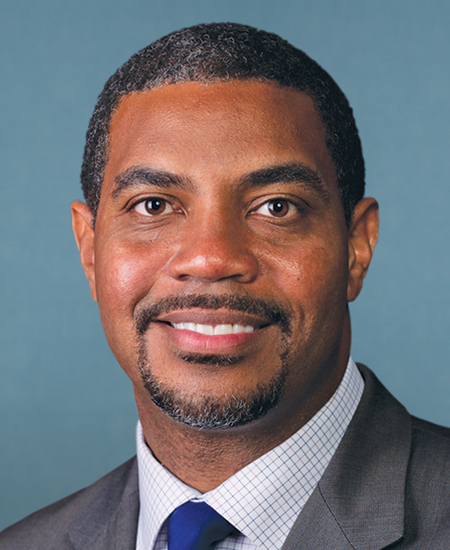
Steven Horsford
House · District 4
|
D |
Support
|
76% | 259 |
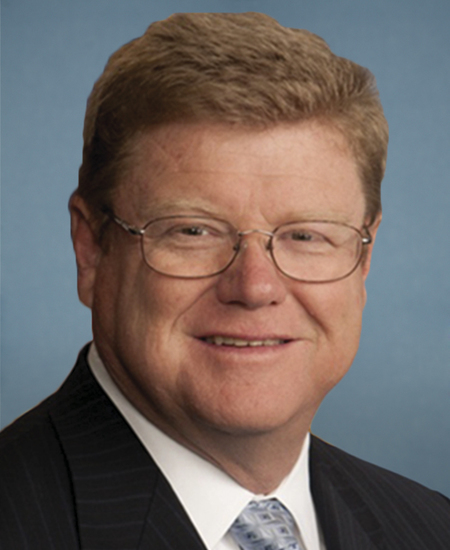
Mark E. Amodei
House · District 2
|
R |
Oppose
|
32% | 255 |
Showing 1–10 of 132
bills
All technology bills
S 5360: Rural and Municipal Utility Cybersecurity Act
Topics
✓ EnergySupports EnergyThe bill funds cybersecurity for electric utilities, directly protecting energy infrastructure and ensuring the resilience of the power grid.
✓ TechnologySupports TechnologyThe bill explicitly funds cybersecurity technologies and threat sharing for utilities, directly enhancing digital security infrastructure.
S 5252: BLADE Act
Sub-Topics
Artificial Intelligence
S 5215: Cleaner Transportation Access for All Act
Topics
✓ Budget & TaxesSupports Budget & TaxesBill extends federal tax credits and authorizes billions in funding for clean vehicle infrastructure, directly advancing fiscal support for transportation programs.
✓ EnergySupports EnergyBill extends tax credits for clean vehicles and charging infrastructure, directly supporting renewable energy and clean energy infrastructure.
✓ EnvironmentSupports EnvironmentBill extends tax credits for clean vehicles and charging infrastructure, directly promoting clean energy and reducing emissions.
✓ TechnologySupports TechnologyBill funds EV infrastructure and creates commissions to study industry needs, advancing clean transportation technology.
✓ TransportationSupports TransportationBill extends tax credits for clean vehicles, funds charging infrastructure, and creates new offices to coordinate transportation efforts.
S 5224: Runway SAFE-T Act
Topics
✓ TechnologySupports TechnologyBill authorizes federal grants to purchase advanced technologies like sensors and simulation systems to enhance airport safety.
✓ TransportationSupports TransportationBill establishes a task force for driver training and authorizes federal grants to fund advanced safety technologies for airport ground vehicles, directly enhancing transportation safety.
Sub-Topics
Airports
S 5220: Clean Transportation Jobs and Development Act of 2026
Topics
✓ Budget & TaxesSupports Budget & TaxesBill explicitly increases authorized budget for battery processing grants to $6 billion, directly advancing state fiscal management and funding for essential programs.
✓ EnergySupports EnergyBill directs DOE to expand funding for battery manufacturing and critical minerals, strengthening clean energy infrastructure and reducing fossil fuel dependence.
✓ EnvironmentSupports EnvironmentBill funds battery manufacturing and clean vehicle technologies, directly advancing clean energy and reducing emissions.
✓ Labor & EmploymentSupports Labor & EmploymentBill mandates workforce safety and fire prevention plans for grant recipients, directly strengthening workplace safety standards.
✓ TechnologySupports TechnologyBill explicitly funds and expands battery manufacturing and advanced vehicle technologies, directly strengthening the technology sector.
✓ TransportationSupports TransportationBill explicitly funds battery manufacturing and vehicle technologies to advance clean transportation infrastructure.
HR 9856: Prediction Markets Are Gambling Act
S 5111: Strengthening EFIN Confirmation for User Reliability and Electronic (SECURE) Tax Filing Act
Topics
✓ Budget & TaxesSupports Budget & TaxesBill strengthens tax filing security and promotes fiscal responsibility by preventing unauthorized filings.
✓ TechnologySupports TechnologyBill enhances cybersecurity and protects taxpayer data by mandating real-time validation of electronic filing IDs.
HR 9736: Stop CHEATERS Act
Topics
✓ Budget & TaxesSupports Budget & TaxesBill allocates billions for IRS enforcement and modernization to combat tax fraud and noncompliance, strengthening fiscal management.
✓ TechnologySupports TechnologyBill allocates funding to modernize IRS technology and systems to improve fraud detection capabilities.
HR 9640: Earth MRI Reauthorization Act of 2026
Topics
✓ Budget & TaxesSupports Budget & TaxesBill explicitly allocates $84 million to extend funding for a critical government program, directly advancing fiscal management and appropriations.
✓ EnergySupports EnergyBill funds mapping of geothermal resources and critical minerals, advancing energy infrastructure development.
✓ EnvironmentSupports EnvironmentBill funds Earth Mapping Resources Initiative to map critical minerals and geothermal resources, advancing environmental data collection and conservation.
✓ TechnologySupports TechnologyBill allocates funding to advance advanced technologies like modern sensing and digital geochemistry for resource mapping.