

Maddy summaryHR 1473, the Postal Processing Protection Act, amends a section of U.S. law to expand the definition of protected facilities under the Postal Service. It replaces "post office" with a broader description to include acceptance, processing, shipping, delivery, distribution, or other facilities owned or operated by the Postal Service that support one or more post offices. This change directly affects how the Postal Service defines and protects its operational facilities under existing law. The bill is procedural, focusing on clarifying facility scope rather than creating new policy.
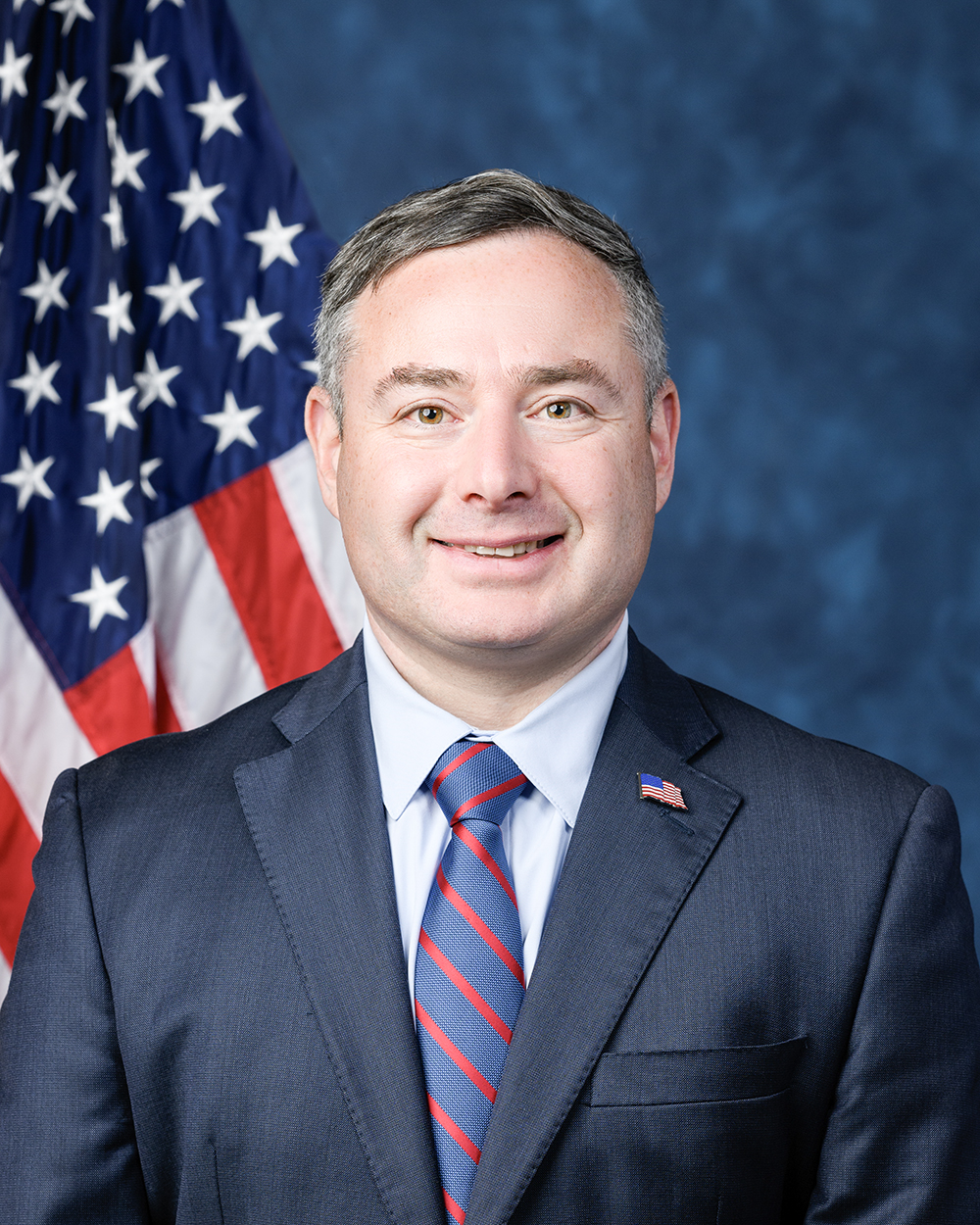
Rep. Eugene Simon Vindman
Sponsored bills
Maddy summaryThis bill would require states to create a simplified process for out-of-state healthcare providers to join Medicaid and CHIP programs. Qualified providers (those already enrolled in Medicare or another state's program with low fraud risk) could enroll without excessive screening and would be approved for five years. It directly affects children under 21 enrolled in Medicaid or CHIP by expanding access to providers outside their state, particularly in underserved areas. The change applies to all states' Medicaid programs but takes effect three years after enactment.
Maddy summaryHR 553 (BRAVE Act) creates a new Department of Veterans Affairs (VA) system to proactively connect veterans with mental health resources. It directly affects veterans enrolled in the VA's annual patient enrollment system who have experienced traumatic or highly stressful events, allowing them to opt-in to receive information about available mental health care services. The bill requires the VA to establish this outreach system within two years of enactment and coordinate it with the Department of Defense's Transition Assistance Program. This is a concrete policy change focused on improving access to mental health support for veterans in need.
Maddy summaryThis bill establishes a Veterans Affairs grant program to fund peer-to-peer mental health support for veterans. It provides up to $250,000 per grant to eligible organizations (like veteran nonprofits, service groups, or state agencies) to hire veterans as peer specialists who host nonclinical support groups and offer 24/7 mental health assistance. The program prohibits grant recipients from collecting or reporting veterans' personal information. It directly affects veterans seeking accessible, nonclinical mental health support through peer-led services.
Maddy summaryThis bill expands Veterans Affairs (VA) coverage for veterans with permanent and total service-connected disabilities needing medical care outside the U.S. It allows the VA to pay for hospital care and medical services abroad if the care meets U.S. medical standards and uses FDA-approved medications. Key provisions include requiring direct deposit for faster reimbursements, enabling digital submission and tracking of forms via VA mobile apps, and mandating a VA report to Congress within two years on implementation. The policy directly affects veterans with qualifying disabilities seeking necessary medical treatment overseas, modernizing how the VA handles foreign medical coverage.
Maddy summaryHR 1412, the Know Your Rates Act, requires federal-funded electric and gas utilities to provide consumers with clearer billing information. It mandates that bills include the dollar difference from the previous period, average monthly usage in plain terms (kWh for electricity, therms for gas), and automatic notifications if daily usage exceeds the prior period’s average (on day 10 or 20 of the billing cycle). Consumers also gain the option to set custom spending alerts during their billing period. This bill directly affects residential and commercial customers of federally funded utilities, aiming to improve transparency about energy costs and consumption patterns. The changes apply only to utilities receiving federal funding, as defined by the Commission.
Maddy summaryThis bill protects certain public safety workers - like police officers, firefighters, and emergency medical personnel - from job loss or punishment for expressing personal opinions about work-related issues. It allows covered employees to sue employers if they face adverse actions (like termination) for speaking out on topics such as working conditions, safety equipment, pay, policies, or even political/religious views. However, the protection does not cover speech made while on duty, threats of violence, discrimination, disclosure of confidential personal information, or calls to withhold essential services. The law explicitly states it doesn’t override existing civil rights laws like 42 U.S.C. 1983.
Maddy summaryHR 1438, the *Protecting America’s Agricultural Land from Foreign Harm Act of 2025*, prohibits foreign governments of Iran, North Korea, China, and Russia (and entities they control) from purchasing or leasing U.S. agricultural land, including both public land managed by federal agencies and private land. It also bans such entities from participating in most U.S. Department of Agriculture (USDA) programs if they own or lease agricultural land, with limited exceptions for food safety and health programs. The bill expands disclosure requirements under the Agricultural Foreign Investment Disclosure Act to include leases and security interests, and mandates public data sets showing foreign ownership details and land values. These changes aim to increase transparency around foreign ownership of U.S. farmland while targeting specific foreign governments deemed national security concerns.
Maddy summaryHR 1421, the "Make American Flags in America Act of 2025," requires all flags of the United States displayed on federal property or procured by federal agencies to be 100% manufactured in the United States. This directly affects federal agencies (including executive departments, military branches, and legislative/judicial offices) by banning the use of foreign-made flags for official displays or purchases. The bill sets a 90-day deadline for procurement changes and a two-year timeline for display requirements, while excluding private entities from these rules. It also mandates a Federal Trade Commission study on enforcing country-of-origin labeling for flags, with a report due within one year of enactment.
Maddy summaryHR 1410 expands access to mental health care for 9/11 responders and survivors by allowing licensed mental health providers (not just physicians) to conduct initial health evaluations and certifications under the World Trade Center Health Program. It adjusts the program’s funding formula to account for changing enrollment numbers by linking annual funding to the previous year’s enrollment ratio, and clarifies that deceased individuals are excluded from enrollment counts. The bill also extends the timeframe for adding new health conditions to the program’s list and requires a 2028 report assessing long-term funding needs through 2090. These changes aim to streamline eligibility, improve care access, and ensure sustainable funding for the program.