

Commission to Study and Develop Reparation Proposals for African Americans Act This bill establishes the Commission to Study and Develop Reparation Proposals for African Americans. The commission must (1) compile documentary evidence of slavery in the United States; (2) study the role of the federal and state governments in supporting the institution of slavery; (3) analyze discriminatory laws and policies against freed African slaves and their descendants; and (4) recommend ways the United States may recognize and remedy the effects of slavery and discrimination on African Americans, including through a formal apology and compensation (i.e., reparations). The commission consists of individuals from civil society and reparations organizations and individuals appointed by the President and congressional leadership; Members of Congress and governmental employees may not serve on the commission. The commission may hold hearings, subpoena witnesses and records, and contract with other entities to conduct its work. The commission must submit its final report within 18 months of its first meeting.
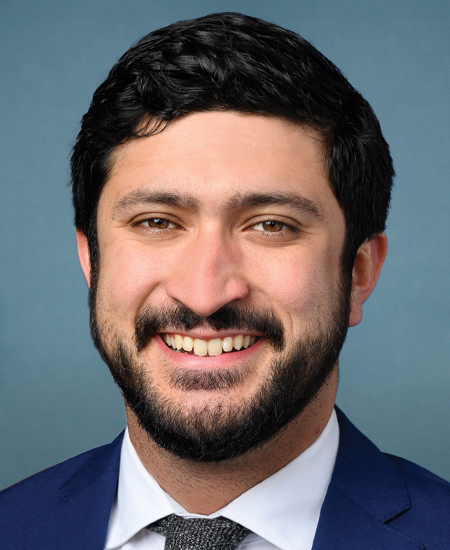
Rep. Greg Casar
Sponsored bills
Maddy summaryThis bill amends the federal tax code to create a "safe harbor" for certain Texas school trust funds. It specifies that these state-created funds - which hold nonfinancial assets (like land or buildings) and are used solely to support public schools or essential government functions - will not be classified as "investment property" under tax law. The provision applies to funds already meeting strict criteria as of 1986, ensuring their tax-exempt status remains intact. It directly affects existing Texas perpetual trust funds that support public elementary and secondary schools. The bill does not address new construction costs or funding mechanisms, but rather clarifies the tax treatment of pre-existing school funding structures.
Cover Outstanding Vulnerable Expansion-eligible Residents Now Act or the COVER Now Act This bill establishes a demonstration program to allow local governments to provide health benefits to the Medicaid expansion population in states that have not expanded Medicaid. Under the program, local governments may provide coverage for individuals who are newly eligible for Medicaid under the Patient Protection and Affordable Care Act (i.e., the Medicaid expansion population) for a maximum of 10 years, or until their respective states expand Medicaid. The bill provides a 100% federal matching rate for the first three years of program participation. The bill prohibits states from taking certain actions against participating localities, such as withholding funding, increasing taxes, or restricting provider participation. States that violate these requirements are subject to certain funding penalties.