

Issue · Criminal Justice
Criminal Justice
Every criminal justice bill, vote, and legislator stance in Nebraska, automatically classified by Maddy, our AI policy reader.
Total bills
122
109th Legislature (2025-2026)
Top supporter
Eliot Bostar
69% support rate
Top opponent
Rob Clements
38% support rate
Ranked legislators
10
5 support · 5 oppose
Key legislators
Who's moving criminal justice in Nebraska
| Legislator | Party | Stance | Support rate | Votes |
|---|---|---|---|---|

Eliot Bostar
House · District 29
|
N |
Support
|
69% | 44 |
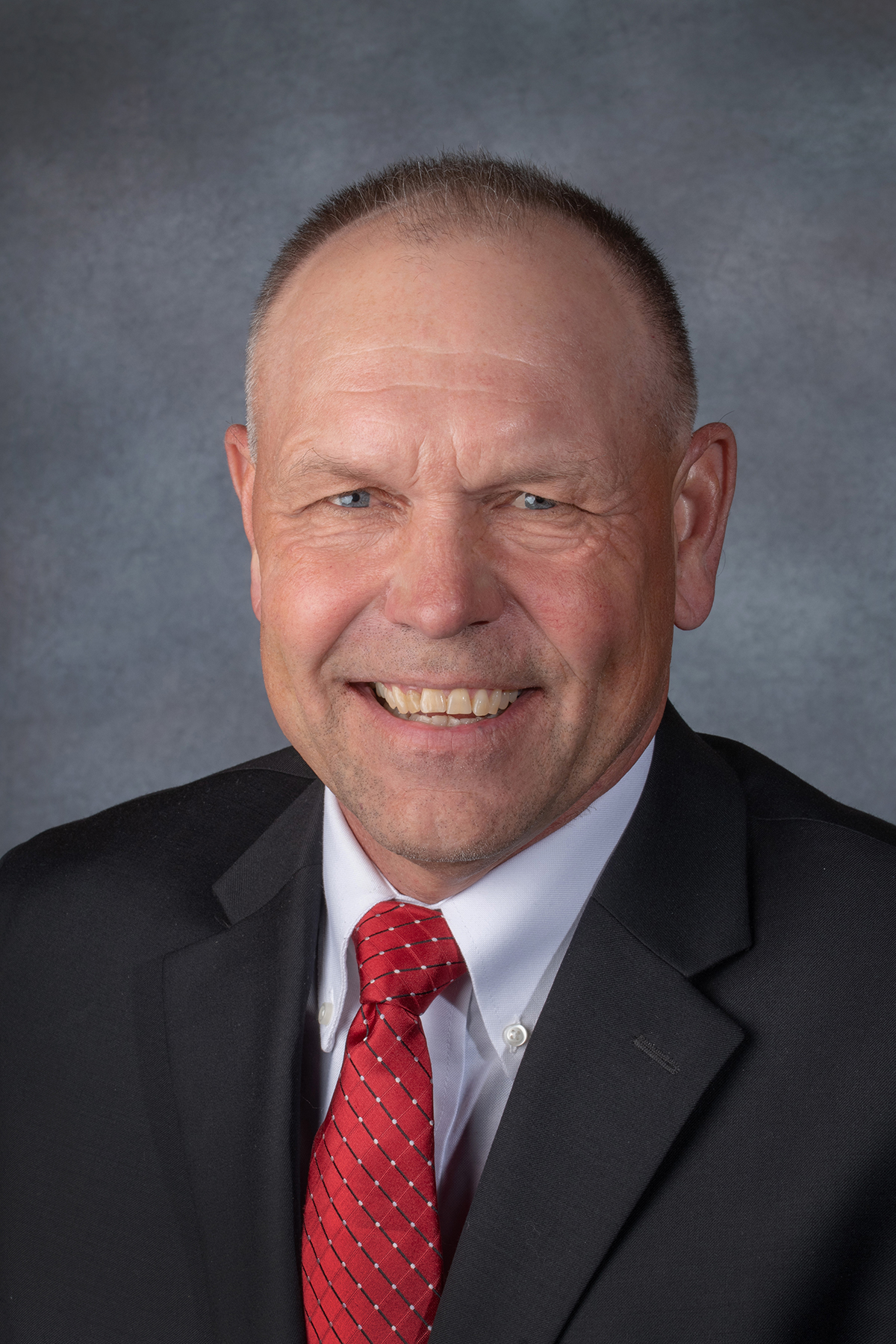
Tom Brandt
House · District 32
|
N |
Support
|
68% | 69 |

John Fredrickson
House · District 20
|
N |
Support
|
65% | 39 |

Robert Dover
House · District 19
|
N |
Support
|
65% | 40 |
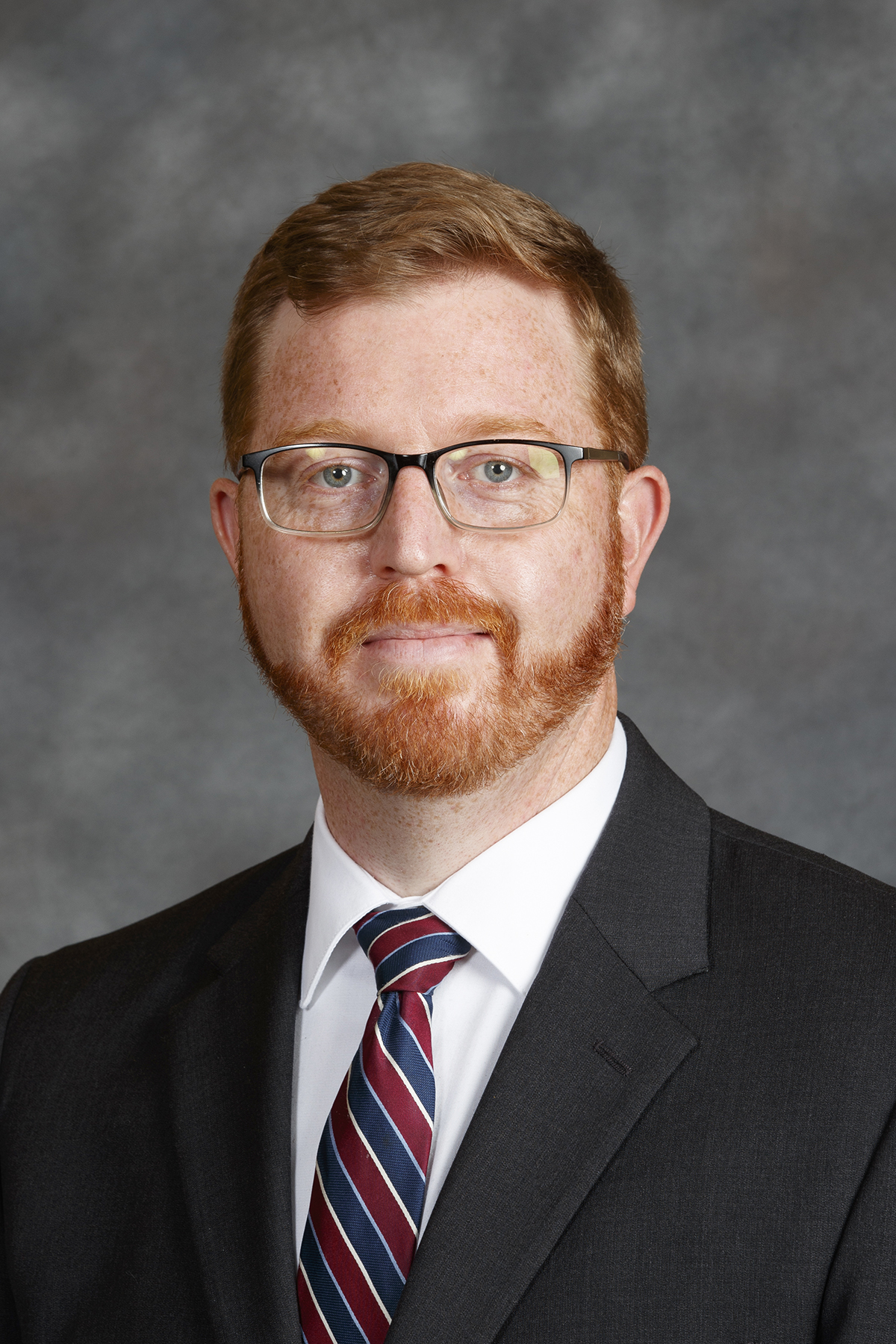
John Cavanaugh
House · District 9
|
N |
Support
|
64% | 61 |
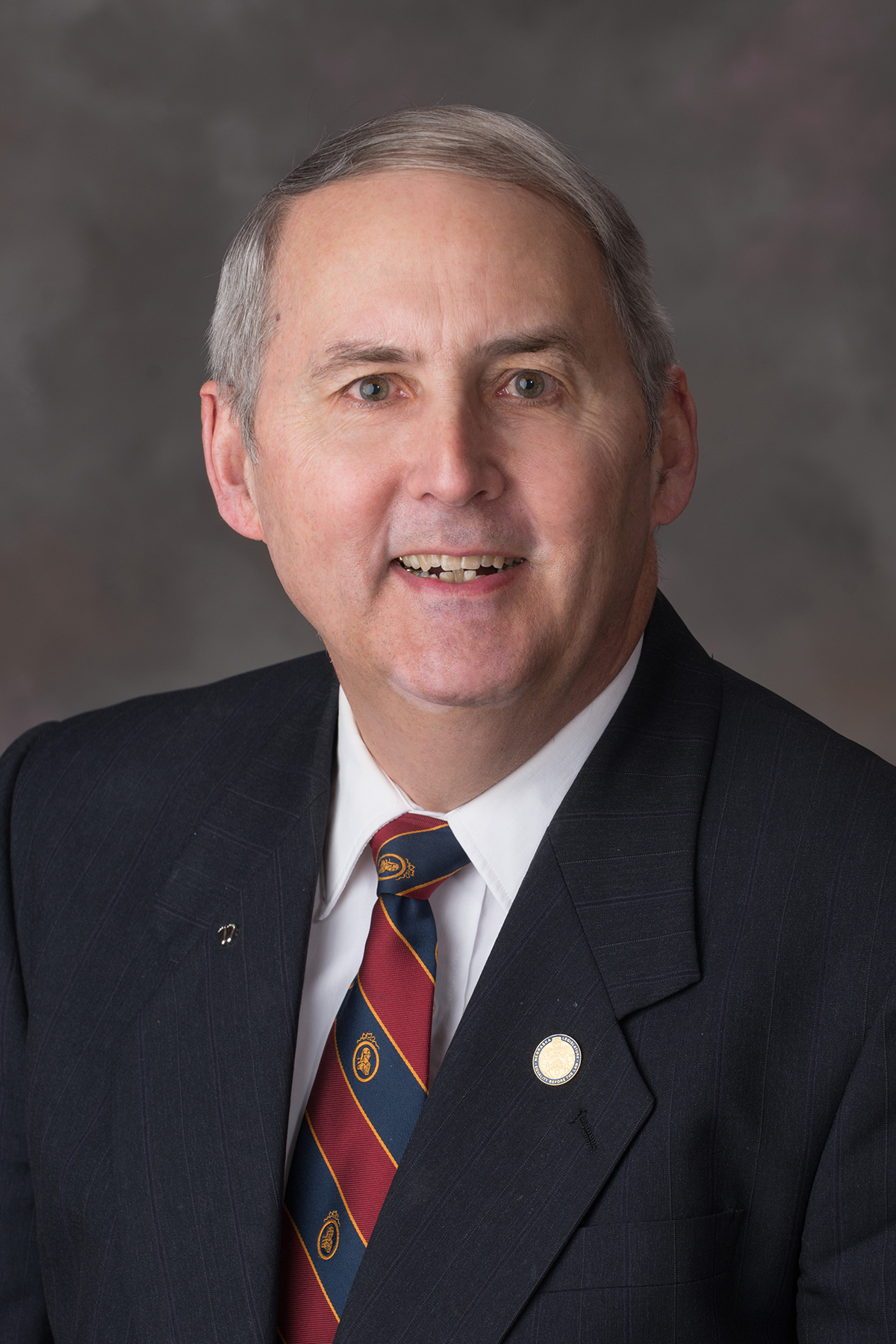
Rob Clements
House · District 2
|
N |
Oppose
|
38% | 69 |
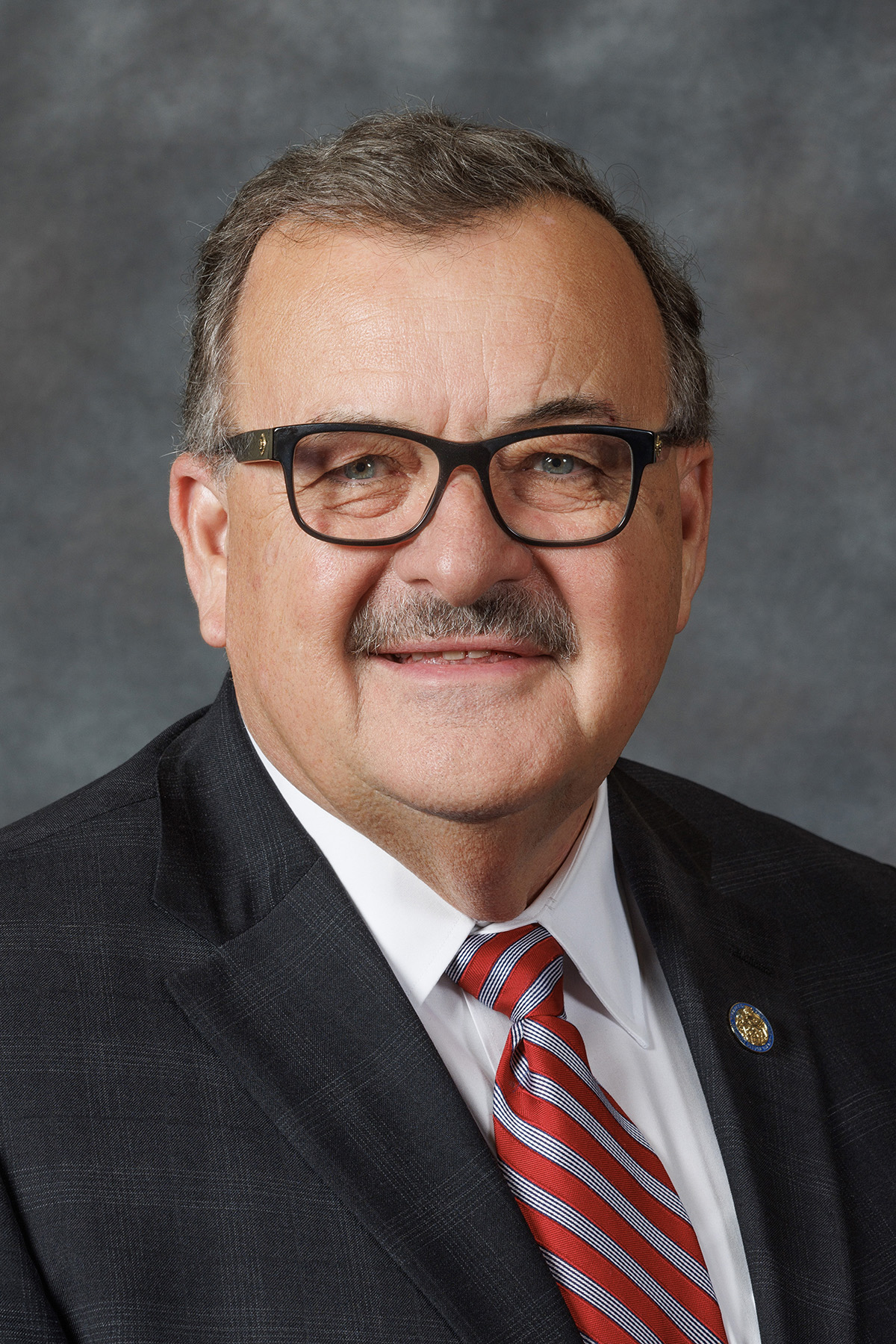
Mike Jacobson
House · District 42
|
N |
Oppose
|
40% | 61 |
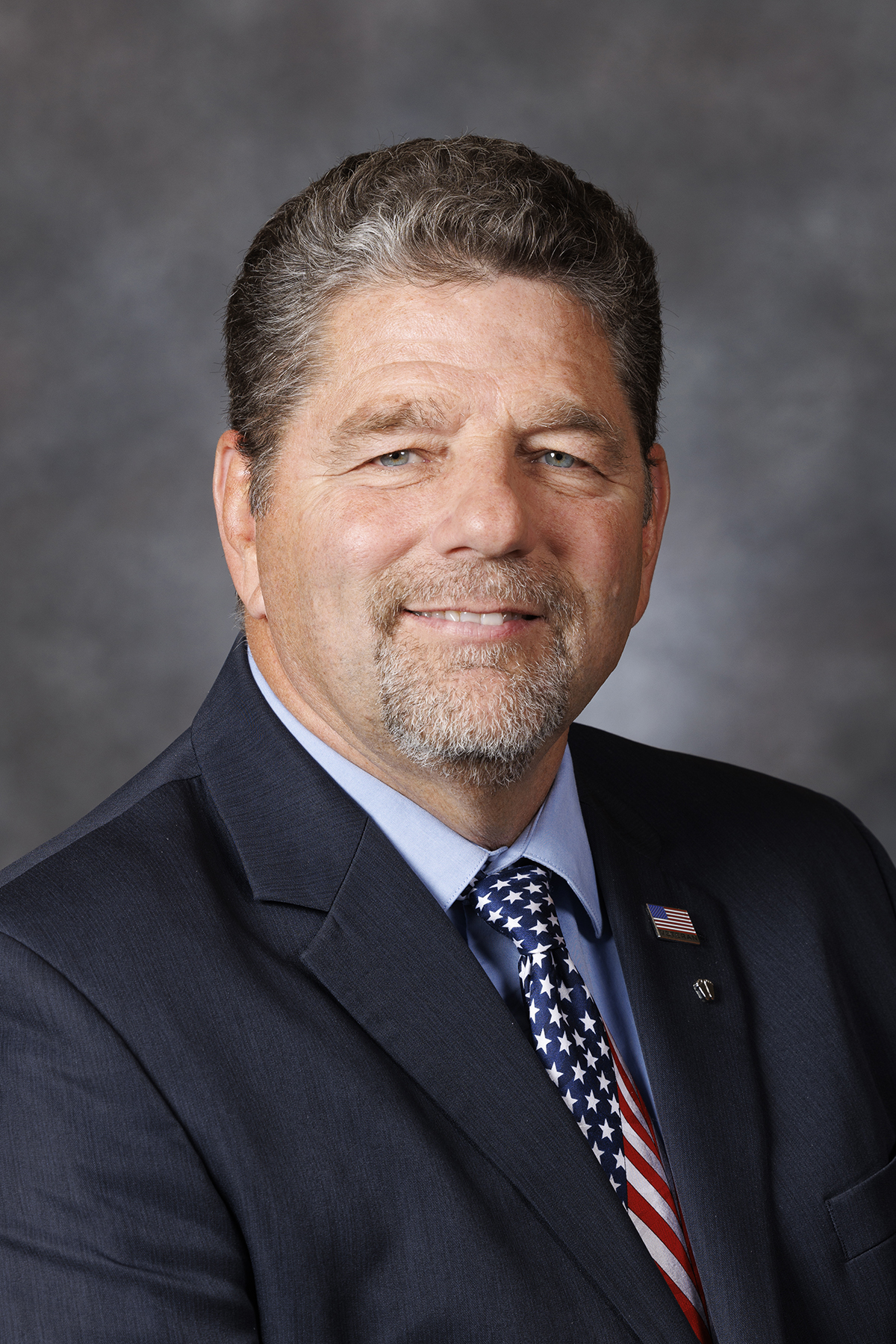
Dan Lonowski
House · District 33
|
N |
Mixed −
|
40% | 66 |
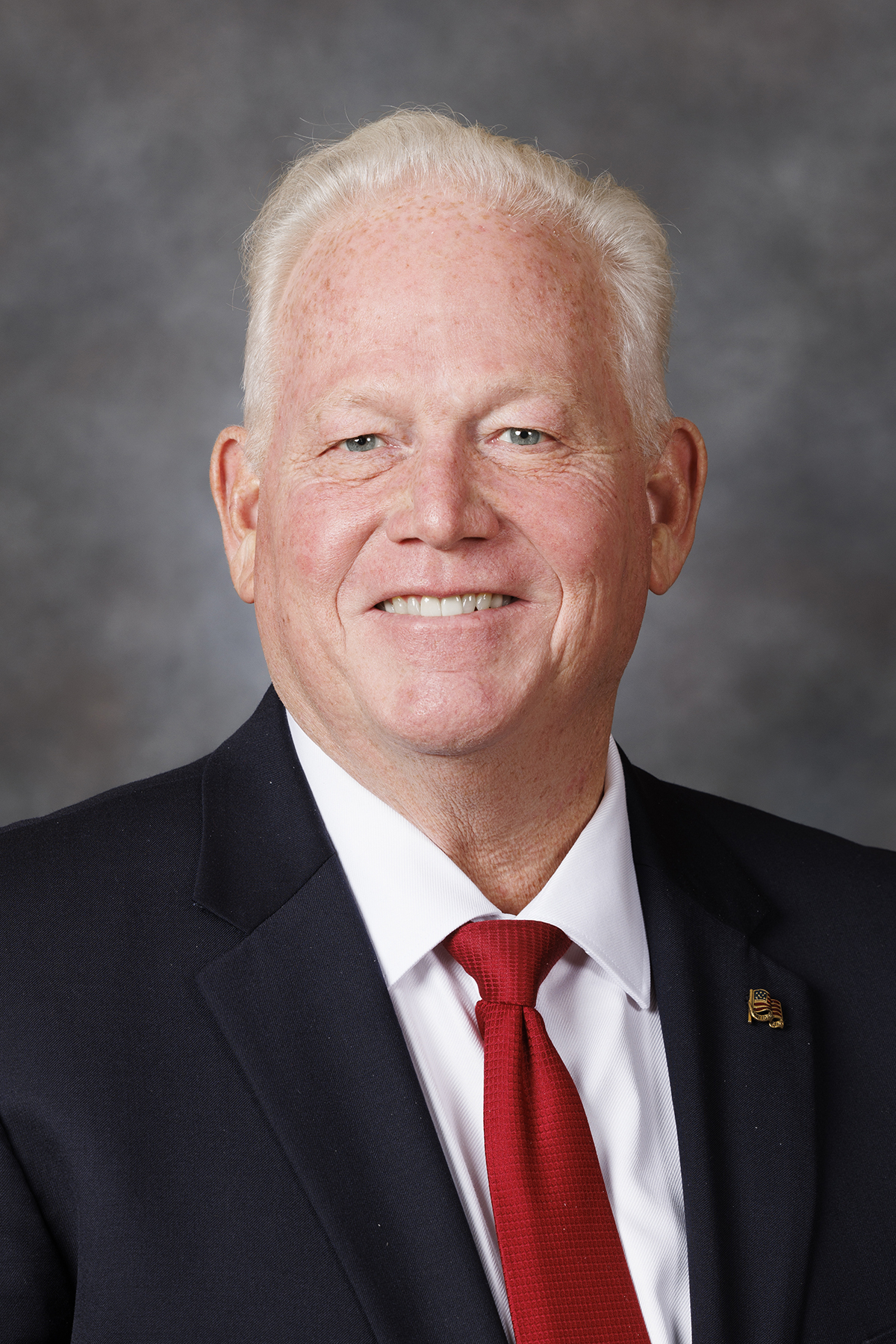
Bob Andersen
House · District 49
|
N |
Mixed −
|
41% | 72 |

Kathleen Kauth
House · District 31
|
N |
Mixed −
|
41% | 73 |
Showing 61–70 of 122
bills
All criminal justice bills
LB 350: Change provisions relating to commitment for restoration of competency to stand trial or for sentencing and require filing of certain documents with the court or appropriate tribal official under the Nebraska Mental Health Commitment Act and the Sex Offender Commitment Act
Topics
✓ Criminal JusticeSupports Criminal JusticeStreamlines competency restoration with treatment plans, regular hearings, and county reimbursement - improves court oversight and rehabilitation processes within criminal justice system
✓ HealthcareSupports HealthcareAmends mental health commitment acts to require treatment plans, regular reviews, and county reimbursement for competency restoration, strengthening mental health care processes within legal framework.
Sub-Topics
Sentencing
LB 92: Adopt the Residential Tenant Clean Slate Act
Topics
✓ Criminal JusticeSupports Criminal JusticeSeals eviction records to reduce housing barriers, aligning with criminal justice reform by protecting civil rights and preventing recidivism from collateral consequences.
✓ HousingSupports HousingSeals eviction records for pandemic-era tenants, removing barriers to housing access and strengthening tenant rights per bill's core provisions.
Sub-Topics
Tenant Rights
LB 226: Provide for setting aside convictions and expunging records for convictions and adjudications for concealed weapon offenses, provide a private cause of action for violations of the Security, Privacy, and Dissemination of Criminal History Information Act, waive sovereign immunity, and provide for retroactivity
Topics
✓ Criminal JusticeSupports Criminal JusticeEnables expungement of past concealed weapon convictions, reducing barriers for individuals with outdated records and aligning with criminal justice reform goals.
✓ TechnologySupports TechnologyCreates private right to sue for improper sharing of criminal history data under privacy law, strengthening data privacy protections.
Sub-Topics
Courts
LB 511: Create the offense of commercial sexual exploitation, require registration under the Sex Offender Registration Act for certain solicitation and trafficking offenses, provide for a grant program for law enforcement, and require the Department of Health and Human Services to conduct education and awareness campaigns
Sub-Topics
Human Trafficking
LB 329: Change provisions relating to sexual abuse by a school employee
Topics
✓ Criminal JusticeSupports Criminal JusticeExpands felony definitions for school employee sexual abuse, increasing penalties and clarifying consent invalidity, aligning with criminal justice reform by strengthening accountability.
✓ EducationSupports EducationExpands legal protections for students against school employee abuse, enhancing safety in educational settings
LB 296: Require the State Department of Education to create a centralized education records system and employ registrars relating to students under the jurisdiction of the juvenile court and change provisions relating to graduation requirements and the State Department of Education Improvement Grant Fund
Topics
✓ Criminal JusticeSupports Criminal JusticeEnsures educational continuity for juveniles in court, supporting rehabilitation and reducing recidivism - key criminal justice reform goals.
✓ EducationSupports EducationCreates centralized records system to prevent academic disruption for juvenile court students, ensuring credit awarding and educational continuity per bill's explicit purpose.
LB 395: Change provisions relating to unlawful possession of a firearm by a prohibited juvenile offender and sealed records
LB 15: State intent regarding appropriations for interpreter services for the Supreme Court
Topics
✓ Budget & TaxesSupports Budget & TaxesDirectly allocates $600k annually from General Fund for interpreter services, funding essential public access to justice through court services.
✓ Criminal JusticeSupports Criminal JusticeFunds interpreter services for deaf/hard of hearing and non-English speakers in Supreme Court, directly supporting fair access to criminal justice proceedings and civil rights protection.
LB 80: Adopt the Protection Orders Act, require reporting of child abuse and neglect involving military families, provide for domestic violence victims to change rental agreements and request the changing of locks, and change provisions related to landlords and tenants
Topics
✓ Criminal JusticeSupports Criminal JusticeStrengthens domestic violence protections via extended orders, tenant rights, and mandatory abuse reporting, advancing victim safety and criminal justice reform goals.
✓ HousingSupports HousingEnables domestic violence victims to request lease modifications and immediate lock changes from landlords, strengthening tenant protections per bill summary.
Sub-Topics
Domestic Violence