Issue · Criminal Justice

Criminal Justice (Juvenile Justice)

Every criminal justice bill, vote, and legislator stance in Nebraska, automatically classified by Maddy, our AI policy reader.

Total bills
25
109th Legislature (2025-2026)
Top supporter
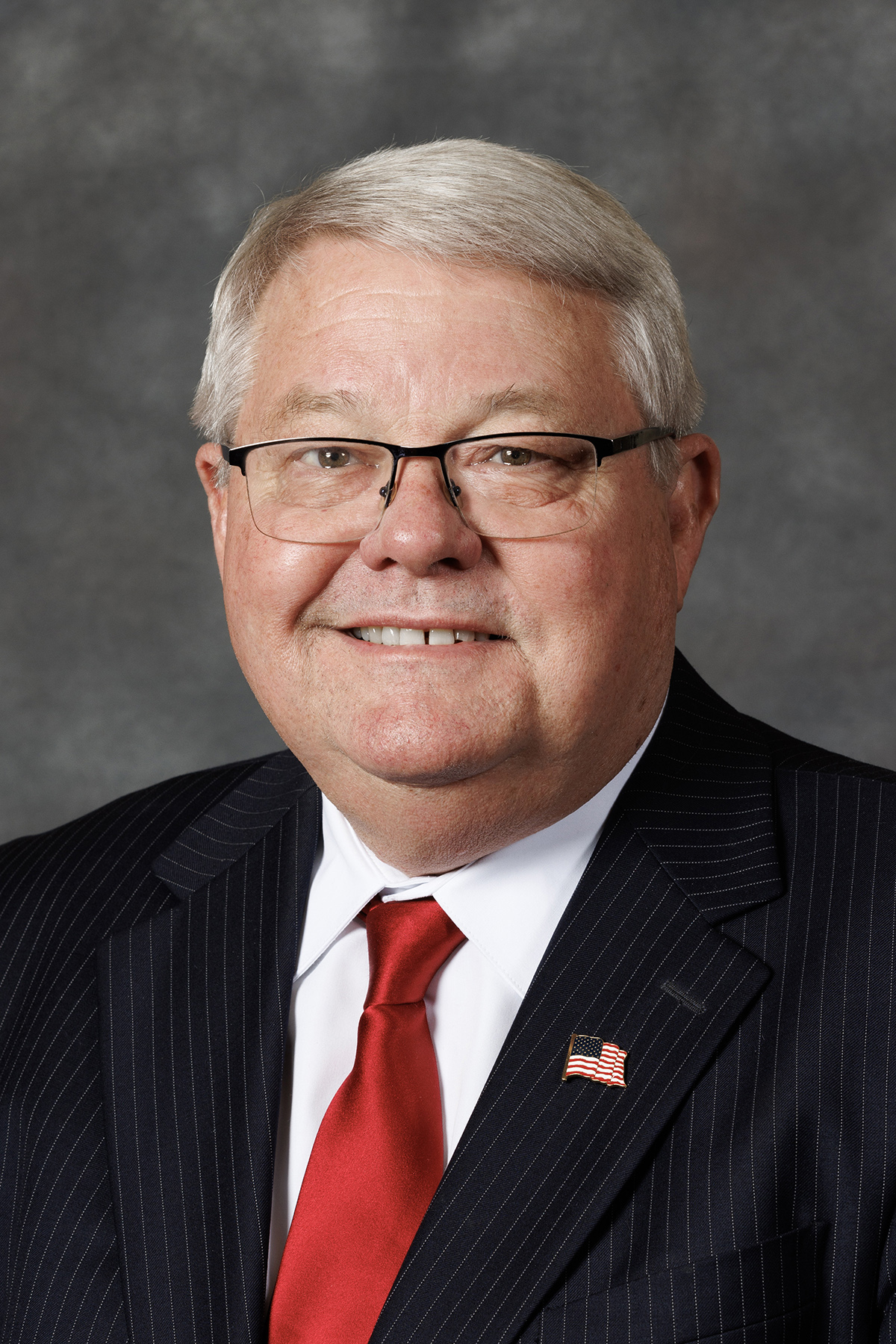
Stan Clouse
74% support rate
Top opponent
Dunixi Guereca
31% support rate
Ranked legislators
10
5 support · 5 oppose
Key legislators

Who's moving juvenile justice in Nebraska

Legislators moving juvenile justice in Nebraska
Legislator Party Stance Support rate Votes
Stan Clouse
Stan Clouse House · District 37
N
Support
74% 19
Barry DeKay
Barry DeKay House · District 40
N
Support
73% 15
Jana Hughes
Jana Hughes House · District 24
N
Support
73% 15
Carolyn Bosn
Carolyn Bosn House · District 25
N
Support
72% 18
Rick Holdcroft
Rick Holdcroft House · District 36
N
Support
72% 18
Dunixi Guereca
Dunixi Guereca House · District 7
N
Oppose
31% 13
Rob Clements
Rob Clements House · District 2
N
Oppose
33% 15
Jane Raybould
Jane Raybould House · District 28
N
Oppose
35% 17
Dan Quick
Dan Quick House · District 35
N
Oppose
38% 16
Teresa Ibach
Teresa Ibach House · District 44
N
Oppose
40% 15
Showing 21–25 of 25 bills

All criminal justice bills

died · Nebraska · Legislature Apr 17, 2026

LB 584: Change sentencing provisions for crimes committed by a person younger than eighteen years of age

Nebraska's LB 584 changes sentencing for juveniles (under 18) convicted of felonies. It establishes new minimum and maximum prison terms for Class IA through IIA felonies, such as 20-50 years for Class IA offenses. The bill requires courts to consider specific mitigating factors like the defendant's age, family environment, mental health evaluations, and developmental history before sentencing. This replaces previous sentencing rules and harmonizes juvenile sentencing with Nebraska's Juvenile Code, allowing courts to use juvenile disposition options instead of standard penalties.
died · Nebraska · Legislature Apr 17, 2026

LB 407: Provide for criminal proceedings against juveniles charged with felonies following unsuccessful juvenile court proceedings and provide for inadmissibility of certain statements

LB 407 modifies Nebraska juvenile justice procedures by allowing criminal prosecution for juveniles aged 13-15 charged with serious felonies (Class I-IIA) after failed rehabilitation in juvenile court. It establishes a new process for transferring such cases back to juvenile court for further proceedings if rehabilitation efforts are unsuccessful. The bill also prohibits using statements made to mental health professionals during transfer hearings as evidence in later criminal trials. This affects minors accused of major crimes who have already undergone juvenile court processing.
Sub-Topics Juvenile Justice
died · Nebraska · Legislature Apr 17, 2026

LB 466: Redefine a term under the Nebraska Juvenile Code

LB 466 redefines specific terms in Nebraska's juvenile justice law to clarify existing procedures. It specifically revises the definition of "alternative to detention" to exclude physical restraints (like locked facilities), clarifying that electronic monitoring or community programs count, but hardware-based restrictions do not. The bill also adds detailed definitions for "staff secure juvenile facility" to distinguish it from secure detention. This purely definitional bill affects juvenile courts, detention facilities, and legal professionals who apply these terms in cases involving youth. It does not create new programs or change penalties.
Sub-Topics Juvenile Justice
died · Nebraska · Legislature Apr 17, 2026

LB 556: Change jurisdiction of juvenile courts and adult criminal courts and change provisions relating to detention and hearings under the Nebraska Juvenile Code

LB 556 would change Nebraska's juvenile justice system by lowering the age threshold for certain serious crimes to be heard in adult court (from 14 to 12 years old for Class I-IIA felonies). It requires courts to hold transfer hearings within 15 days if a minor requests juvenile court jurisdiction, and defines "detention" under juvenile law. The bill also clarifies that mental health statements made for transfer hearings cannot be used against defendants in adult trials, though they may be used in juvenile proceedings or sentencing. These changes aim to standardize jurisdiction procedures between juvenile and adult courts.
died · Nebraska · Legislature Apr 17, 2026

LB 684: Transfer juvenile probation functions to a new Juvenile Probation Agency in the executive branch

Nebraska's LB 684 creates a new Juvenile Probation Agency within the executive branch, transferring juvenile probation functions currently handled by the judicial branch's Office of Probation Administration. The bill establishes a Juvenile Probation Administrator (appointed by the Governor) to oversee probation policies, officer qualifications, and evidence-based supervision practices - including risk assessments and graduated response strategies - while eliminating several existing advisory groups. It directly affects juvenile probationers, probation officers, and the judicial system by shifting oversight to the executive branch and requiring standardized, risk-focused supervision protocols. The bill repeals outdated sections of Nebraska law related to juvenile probation and mandates annual reports to the Legislature and Supreme Court on agency operations.
Showing 21 to 25 of 25 bills