Issue · Criminal Justice

Criminal Justice

Every criminal justice bill, vote, and legislator stance in Nebraska, automatically classified by Maddy, our AI policy reader.

Total bills
122
109th Legislature (2025-2026)
Top supporter
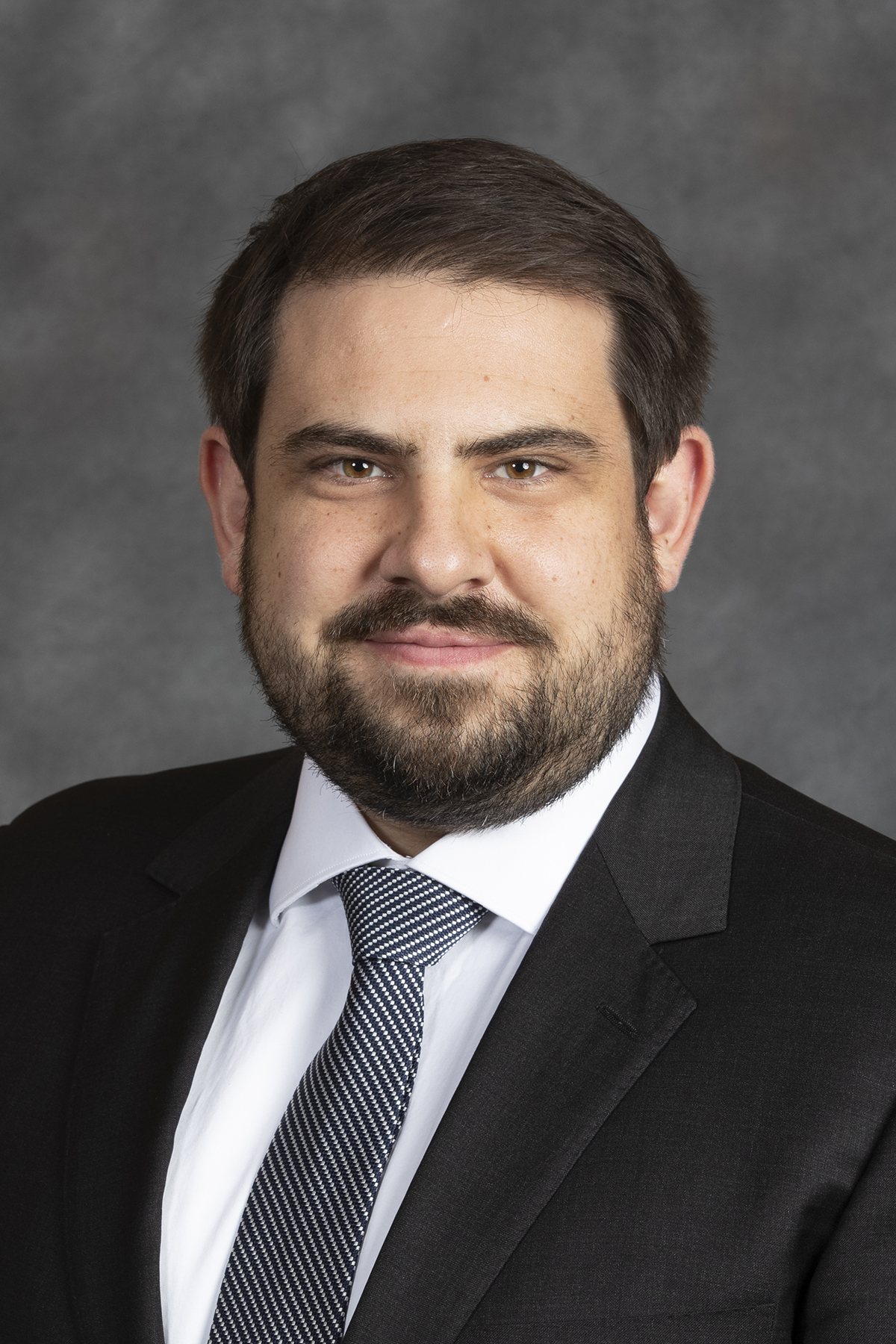
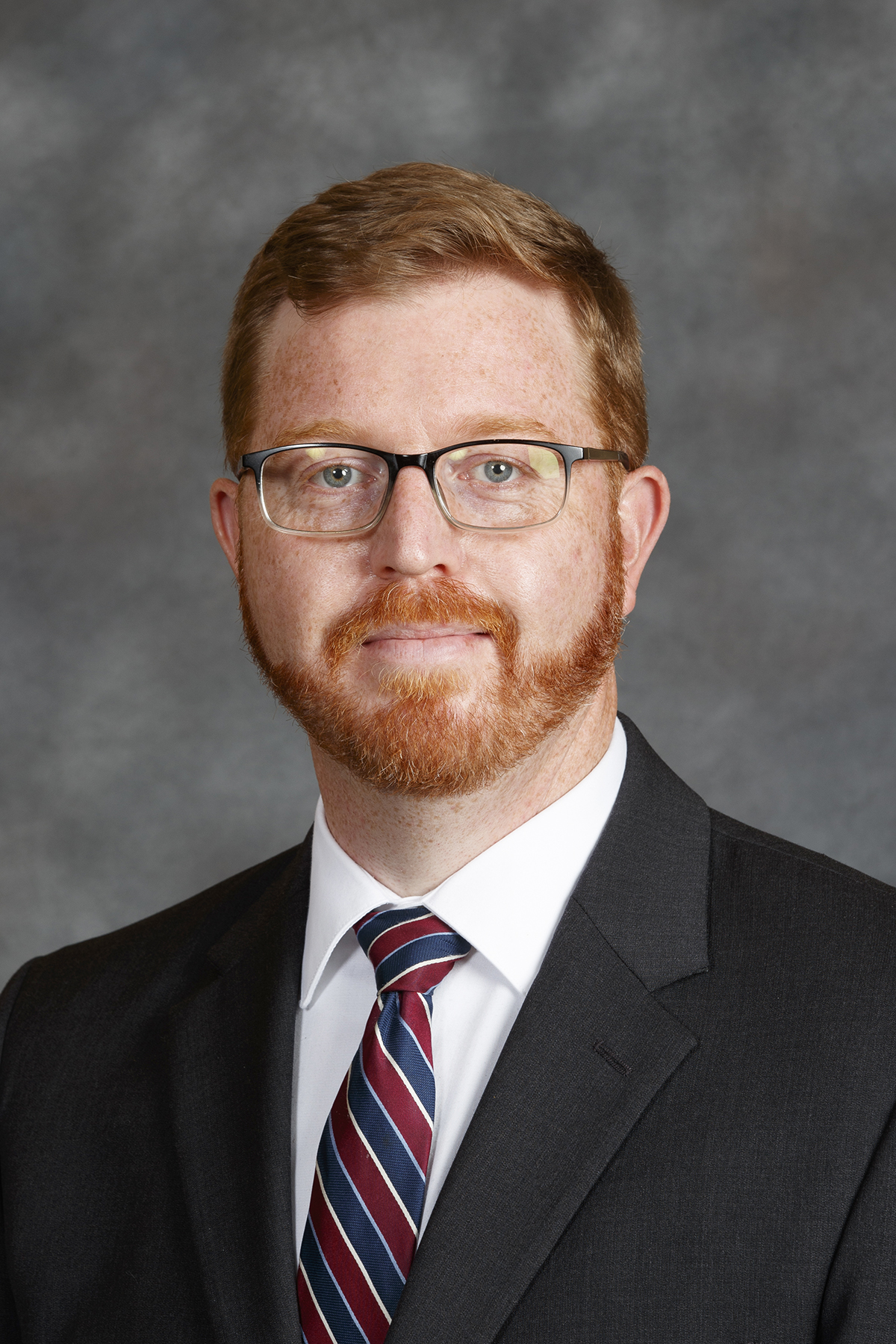
Eliot Bostar
69% support rate
Top opponent
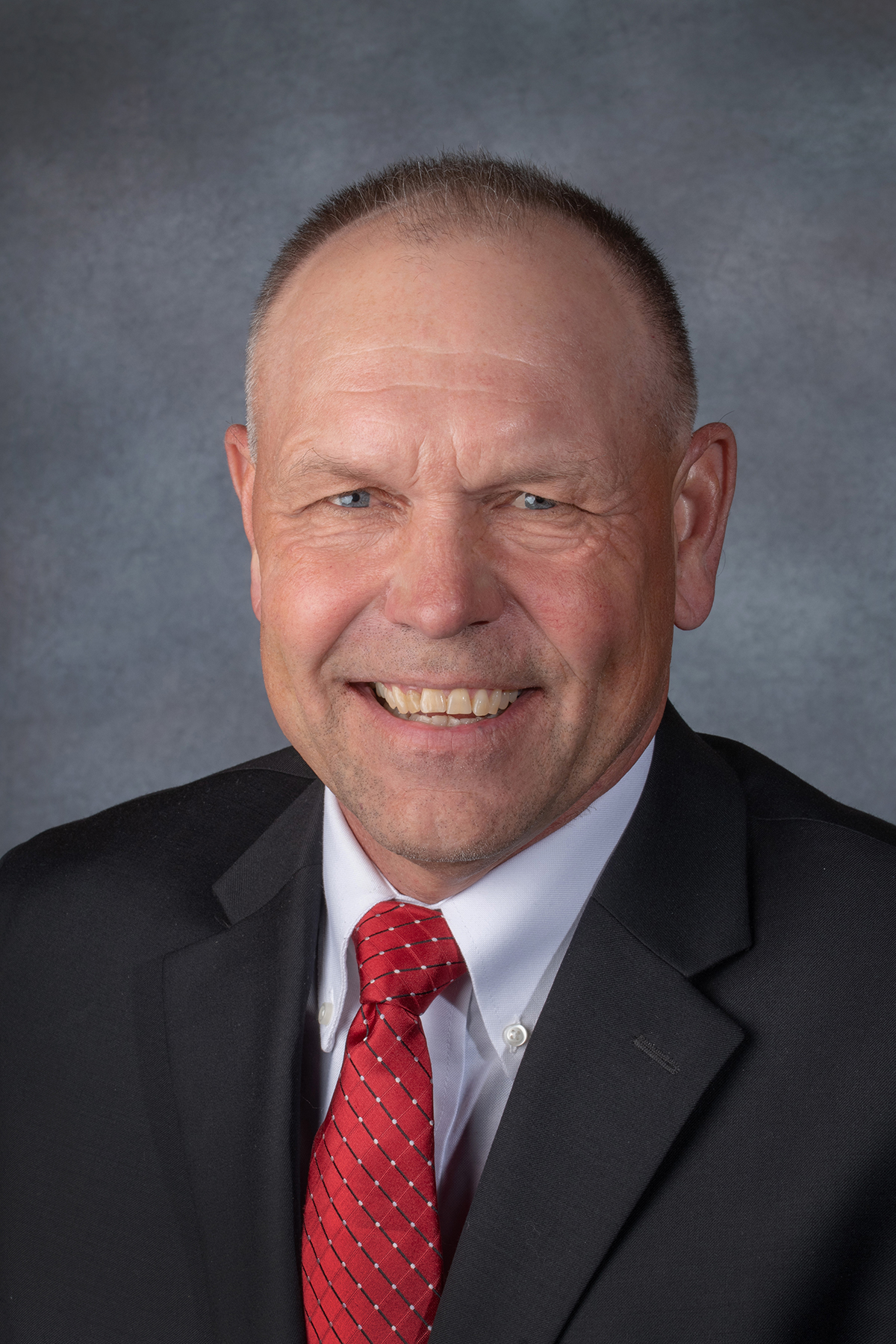
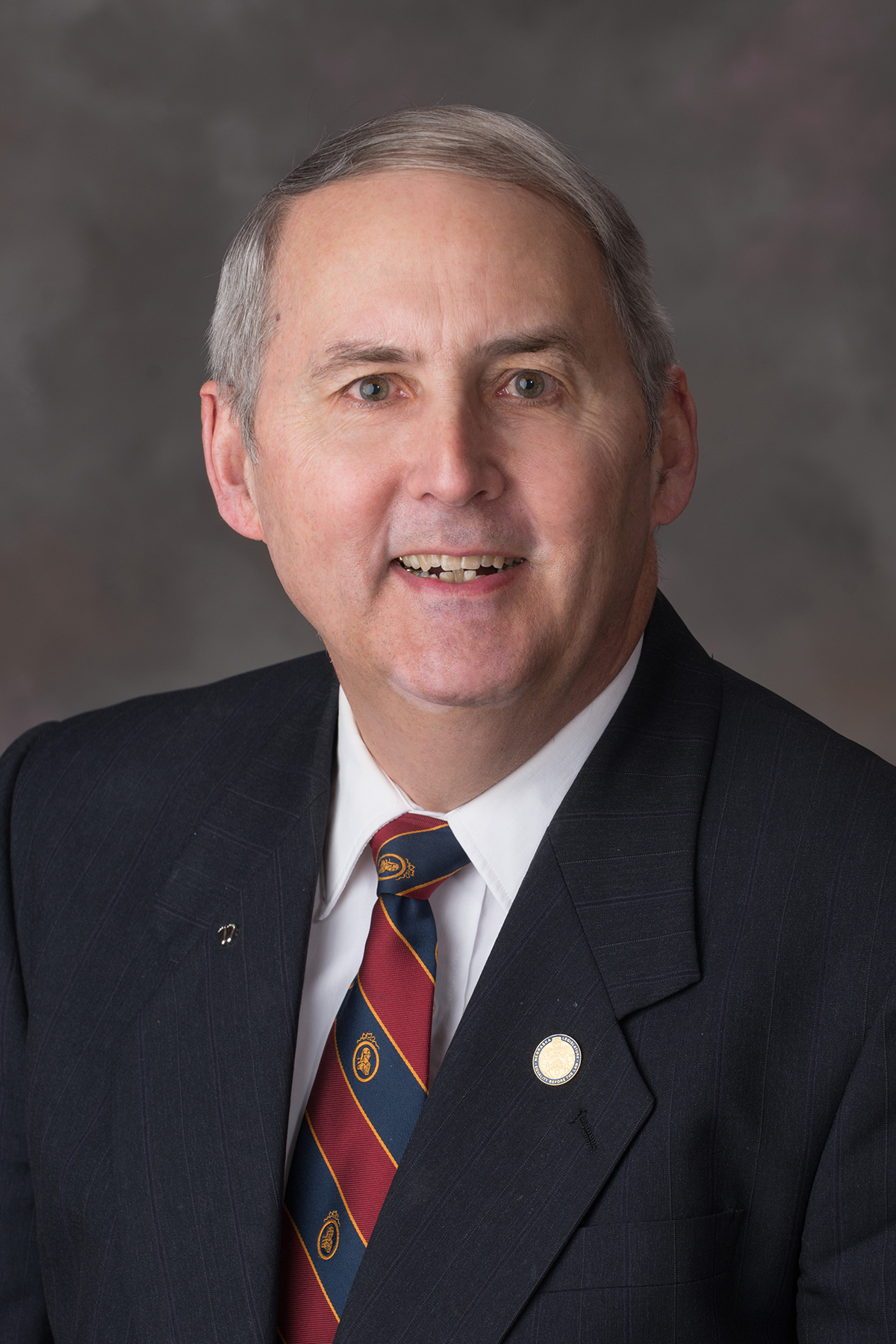
Rob Clements
38% support rate
Ranked legislators
10
5 support · 5 oppose
Key legislators

Who's moving criminal justice in Nebraska

Legislators moving criminal justice in Nebraska
Legislator Party Stance Support rate Votes
Eliot Bostar
Eliot Bostar House · District 29
N
Support
69% 44
Tom Brandt
Tom Brandt House · District 32
N
Support
68% 69
John Fredrickson
John Fredrickson House · District 20
N
Support
65% 39
Robert Dover
Robert Dover House · District 19
N
Support
65% 40
John Cavanaugh
John Cavanaugh House · District 9
N
Support
64% 61
Rob Clements
Rob Clements House · District 2
N
Oppose
38% 69
Mike Jacobson
Mike Jacobson House · District 42
N
Oppose
40% 61
Dan Lonowski
Dan Lonowski House · District 33
N
Mixed −
40% 66
Bob Andersen
Bob Andersen House · District 49
N
Mixed −
41% 72
Kathleen Kauth
Kathleen Kauth House · District 31
N
Mixed −
41% 73
Showing 21–30 of 122 bills

All criminal justice bills

signed · Nebraska · Legislature Apr 17, 2026

LB 965: Prohibit sexual abuse of a probationer or problem solving court participant and sexual abuse by a conservator, guardian, guardian ad litem, or child welfare service provider; change provisions relating to protection orders, certain offenses, attorney's fees, and victim notification requirements; and provide requirements for immunity for probation employees, Brady-Giglio disclosures, confidentiality for certain officers, registration under the Sex Offender Registration Act, county conflict counsel, and determinations of the best interest of the child

LB 965 prohibits sexual abuse of probationers, problem-solving court participants, and individuals under guardianship or child welfare services. It creates new legal protections for these vulnerable groups by defining and prohibiting such abuse by specific professionals like conservators, guardians, and child welfare providers. The bill also grants immunity to probation employees who administer naloxone for opioid overdoses and requires sex offender registration for violations related to these new prohibitions. These changes update Nebraska's criminal code to address gaps in protecting individuals under court supervision or care.
died · Nebraska · Legislature Apr 17, 2026

LB 906: Prohibit law enforcement officers from wearing facial coverings or disguises and require officers to wear appropriate identification

This bill requires Nebraska law enforcement officers on duty to wear clear identification displaying their name, badge number, and agency name, and prohibits them from wearing facial coverings or disguises that obscure their identity. It directly affects all state, local, tribal, and federal officers working in Nebraska during routine operations. Exceptions include covert operations, health protection (like masks for airborne diseases), and safety gear for smoke or toxins. The law aims to improve public trust and officer accountability by ensuring visible identification during interactions.
Sub-Topics Law Enforcement
died · Nebraska · Legislature Apr 17, 2026

LB 961: Adopt the Collateral Sanction Relief Act

LB 961, the Collateral Sanction Relief Act, creates a process for individuals with completed criminal sentences to seek relief from employment barriers caused by past convictions. It directly affects people who face job disqualifications (like losing a professional license or being denied employment) due to a conviction but have finished all sentence requirements, including prison time, fines, and probation. The bill establishes a court petition process where applicants must submit personal details, employment history, references, and a statement explaining how the certificate would help them secure work; no filing fee is charged. Once approved, the certificate helps individuals overcome "collateral sanctions" like occupational license denials, allowing them to pursue employment opportunities they were previously barred from.
died · Nebraska · Legislature Apr 17, 2026

LB 995: Require appointment of counsel for juveniles and provide duties for juvenile courts

This bill requires Nebraska juvenile courts to appoint an attorney for juveniles in specific court cases. It mandates appointment when a petition alleges jurisdiction under certain sections of juvenile law, particularly for juveniles in counties under 150,000 population and for all cases in larger counties. The court must inform juveniles and their parents/guardians about their right to counsel, determine financial ability to pay for an attorney, and appoint one at county expense if they cannot afford one. This applies to all proceedings before the juvenile court, ensuring juveniles have legal representation during legal hearings.
signed · Nebraska · Legislature Mar 3, 2026

LB 741: Change the membership of the Racial Profiling Advisory Committee and the Nebraska Children's Commission

This bill changes membership requirements for two existing state committees. For the Racial Profiling Advisory Committee, it adds specific representatives from police associations (Fraternal Order of Police, Sheriffs Association), civil rights groups (ACLU, NAACP), labor (AFL-CIO), and legal organizations (Nebraska State Bar Association), while keeping existing roles for commission directors. For the Nebraska Children's Commission, it adds a representative from a federally recognized Nebraska Indian tribe (selected from a list by the Commission on Indian Affairs) and an African American Affairs representative (selected from a list by that commission). These changes adjust who serves on the committees but do not create new policies or directly affect the public. The bill amends existing statutes governing both committees' composition.
Sub-Topics Civil Rights Policing
died · Nebraska · Legislature Apr 17, 2026

LB 910: Require defendants convicted of sexual offenses against children to pay a fee for electronic devices seized during prosecution

LB 910 requires defendants convicted of sexual offenses against children to pay a $100 fee for each electronic device (like phones or computers) seized during their prosecution. The fee funds forensic analysis of these devices by the Nebraska State Patrol, covering costs related to examining digital evidence. This applies only to cases involving victims under 18, and courts must waive the fee if a defendant is found indigent. The law directly affects convicted offenders in these specific cases, not general criminal defendants.
died · Nebraska · Legislature Apr 17, 2026

LB 994: Change provisions of the Nebraska Treatment and Corrections Act relating to good time and parole eligibility

This bill (LB 994) requires Nebraska's Department of Correctional Services to recalculate parole eligibility dates for all offenders incarcerated on or after July 1, 2011, by April 15, 2027. It clarifies that good-time credits - earned through behavior and programming - apply to both parole eligibility dates and tentative release dates, with specific formulas: 6 months per year of sentence and 3 additional days monthly for good conduct. The recalculation must occur in phases to avoid administrative strain, and individuals on parole as of the law's effective date may request reduced parole terms if their eligibility would have changed under the new rules. The bill directly affects incarcerated people and parolees in Nebraska who were sentenced after July 2011.
died · Nebraska · Legislature Apr 17, 2026

LB 978: Provide for civil actions for conduct relating to obscene material, child sexual abuse material, and child sexual exploitation devices

Nebraska's LB 978 creates a new civil cause of action allowing victims of exposure to prohibited content - including child sexual abuse material, material promoting such content, or obscene material - to sue individuals or entities that distribute, facilitate access to, or create such content online. The bill specifically permits minors or individuals depicted in prohibited content to seek damages, attorney fees, and equitable relief, while shielding internet utilities from liability for hosting third-party content they didn’t create. It also explicitly protects judges, attorneys, and their staff from liability when viewing such content in good faith for official purposes. The law applies alongside existing legal remedies and does not require a criminal conviction for victims to pursue civil claims.
died · Nebraska · Legislature Apr 17, 2026

LB 789: Provide an exclusion from the hearsay rule for a statement offered against a party that wrongfully caused the declarant's unavailability

This Nebraska bill (LB 789) amends evidence rules to allow certain witness statements in court when a party (like a defendant) wrongfully caused the witness to become unavailable. Specifically, it adds an exception to the hearsay rule: if a party intentionally made a witness unavailable (e.g., through threats or harm) to prevent testimony, statements made by that witness can now be used against them. This affects legal cases where witness unavailability was caused by the opposing party’s misconduct. The change streamlines courtroom procedures by permitting such statements as evidence without requiring the usual hearsay exceptions.
Sub-Topics Courts
died · Nebraska · Legislature Apr 17, 2026

LR 299CA: Constitutional amendment to create the Nebraska Board of Commutation and transfer powers of the Board of Pardons

This Nebraska legislative resolution (LR 299CA) proposes a constitutional amendment to create a new Nebraska Board of Commutation, transferring the power to reduce prison sentences (commutations) from the current Board of Pardons to this new board. The amendment specifies the Board of Commutation would consist of seven members appointed by the Governor (nonpartisan) and confirmed by the Legislature, requiring diverse expertise including mental health, restorative justice, criminal law, law enforcement, and lived experience with incarceration or victimization. It would not affect the existing powers of the Governor, Attorney General, and Secretary of State regarding pardons, fines, or reprieves. This change requires voter approval in the November 2026 general election.
Showing 21 to 30 of 122 bills
Previous 1 2 3 4 13 Next