Issue · Criminal Justice

Criminal Justice

Every criminal justice bill, vote, and legislator stance in Nebraska, automatically classified by Maddy, our AI policy reader.

Total bills
24
109th Legislature (2025-2026)
Top supporter
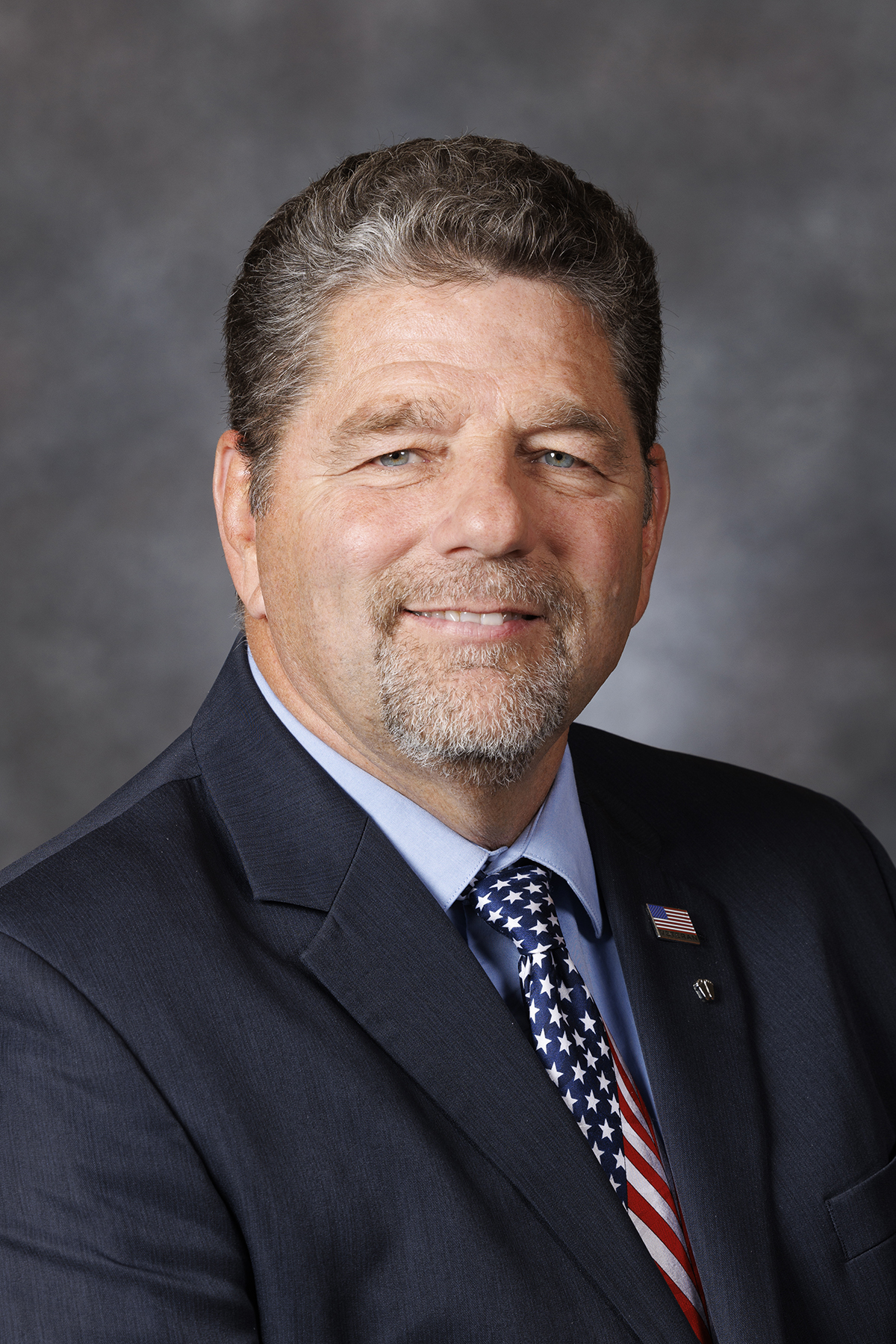
Eliot Bostar
69% support rate
Top opponent
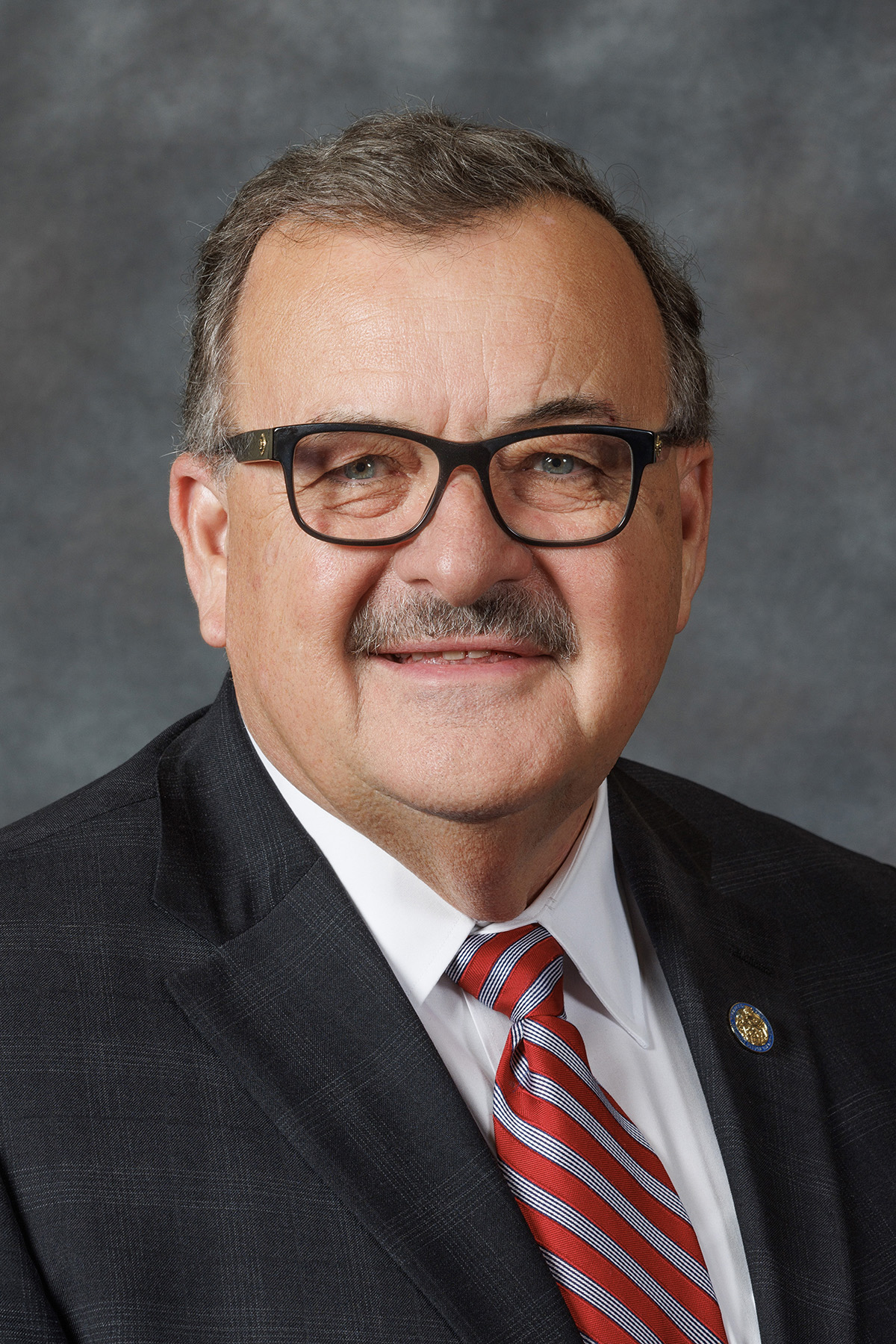
Rob Clements
38% support rate
Ranked legislators
10
5 support · 5 oppose
Key legislators

Who's moving criminal justice in Nebraska

Legislators moving criminal justice in Nebraska
Legislator Party Stance Support rate Votes
Eliot Bostar
Eliot Bostar House · District 29
N
Support
69% 44
Tom Brandt
Tom Brandt House · District 32
N
Support
68% 69
John Fredrickson
John Fredrickson House · District 20
N
Support
65% 39
Robert Dover
Robert Dover House · District 19
N
Support
65% 40
John Cavanaugh
John Cavanaugh House · District 9
N
Support
64% 61
Rob Clements
Rob Clements House · District 2
N
Oppose
38% 69
Mike Jacobson
Mike Jacobson House · District 42
N
Oppose
40% 61
Dan Lonowski
Dan Lonowski House · District 33
N
Mixed −
40% 66
Bob Andersen
Bob Andersen House · District 49
N
Mixed −
41% 72
Kathleen Kauth
Kathleen Kauth House · District 31
N
Mixed −
41% 73
Showing 21–24 of 24 bills

All criminal justice bills

died · Nebraska · Legislature Apr 17, 2026

LB 206: Provide enhanced penalties for certain offenses committed in a disaster area during an emergency period

LB 206 increases penalties for specific crimes committed in declared disaster areas during emergency periods. It applies to offenses like assault, robbery, arson, burglary, theft, and criminal trespass when they occur in areas under a Governor's emergency proclamation, local declaration, federal disaster declaration, or mandatory evacuation order. If convicted, offenders face the next higher penalty classification (e.g., a Class I misdemeanor becomes a Class IV felony). The bill requires prosecutors to prove the enhanced penalty in court, and the "emergency period" lasts until the declaration ends or 30 days after issuance.
Sub-Topics Violent Crime
died · Nebraska · Legislature Apr 17, 2026

LB 488: Require a peace officer to assume custody of a probationer or temporary custody of a juvenile upon request by a probation officer

LB 488 requires peace officers to take custody of probationers (for misdemeanor or felony offenses) or juveniles when a probation officer requests it due to a violation of probation conditions that poses a danger to people or property or involves an attempt to flee the jurisdiction. The bill mandates that probation officers must document violations and request custody through written reports to county attorneys, who then decide whether to pursue probation revocation. It applies specifically to cases where probation officers have reasonable cause to believe a violation creates immediate risk, not routine probation breaches. This change standardizes procedures for both misdemeanor and felony probation cases across Nebraska statutes.
died · Nebraska · Legislature Apr 17, 2026

LB 407: Provide for criminal proceedings against juveniles charged with felonies following unsuccessful juvenile court proceedings and provide for inadmissibility of certain statements

LB 407 modifies Nebraska juvenile justice procedures by allowing criminal prosecution for juveniles aged 13-15 charged with serious felonies (Class I-IIA) after failed rehabilitation in juvenile court. It establishes a new process for transferring such cases back to juvenile court for further proceedings if rehabilitation efforts are unsuccessful. The bill also prohibits using statements made to mental health professionals during transfer hearings as evidence in later criminal trials. This affects minors accused of major crimes who have already undergone juvenile court processing.
Sub-Topics Juvenile Justice
died · Nebraska · Legislature Apr 17, 2026

LB 556: Change jurisdiction of juvenile courts and adult criminal courts and change provisions relating to detention and hearings under the Nebraska Juvenile Code

LB 556 would change Nebraska's juvenile justice system by lowering the age threshold for certain serious crimes to be heard in adult court (from 14 to 12 years old for Class I-IIA felonies). It requires courts to hold transfer hearings within 15 days if a minor requests juvenile court jurisdiction, and defines "detention" under juvenile law. The bill also clarifies that mental health statements made for transfer hearings cannot be used against defendants in adult trials, though they may be used in juvenile proceedings or sentencing. These changes aim to standardize jurisdiction procedures between juvenile and adult courts.
Showing 21 to 24 of 24 bills