Issue · Criminal Justice

Criminal Justice

Every criminal justice bill, vote, and legislator stance in Nebraska, automatically classified by Maddy, our AI policy reader.

Total bills
122
109th Legislature (2025-2026)
Top supporter
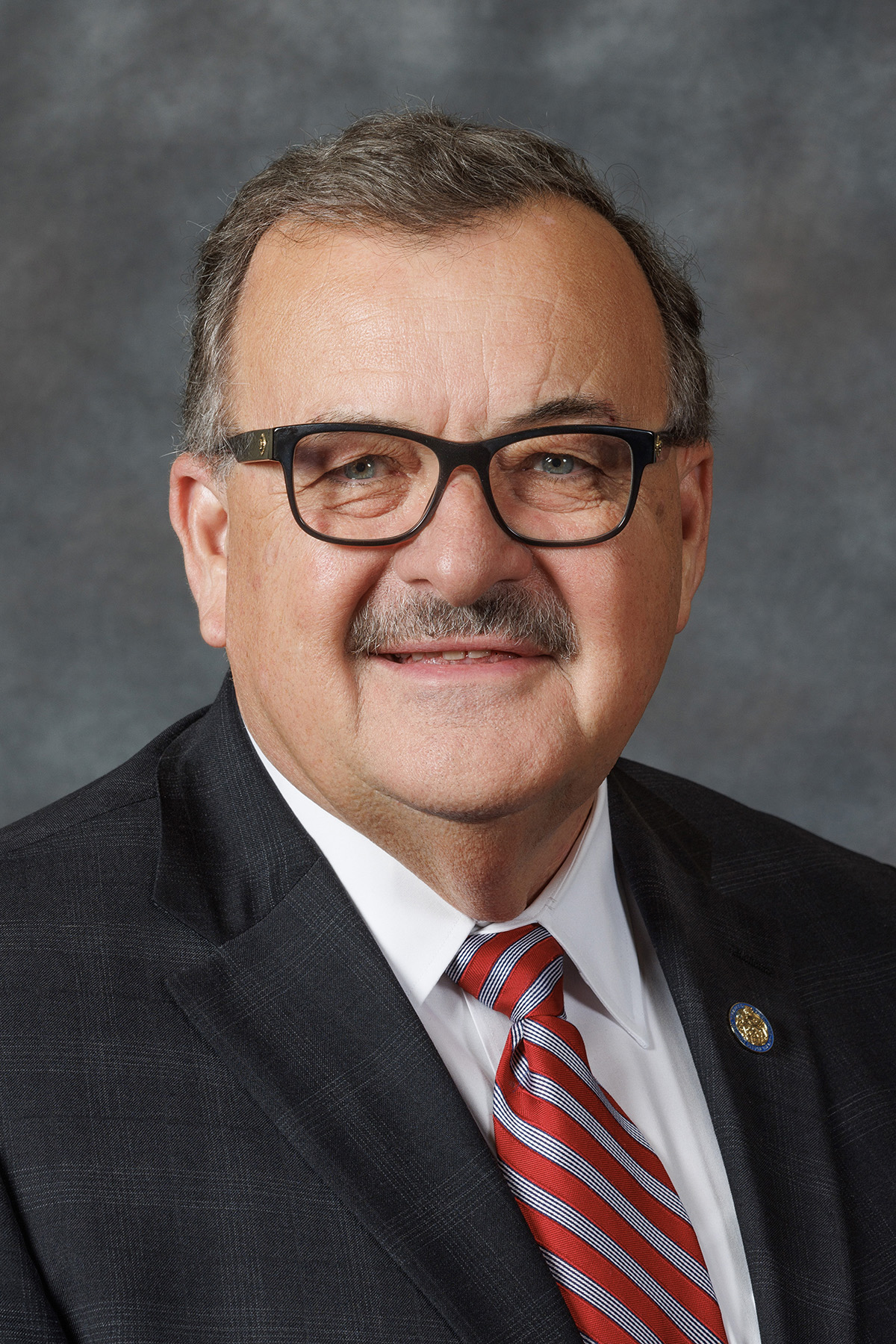
Eliot Bostar
69% support rate
Top opponent
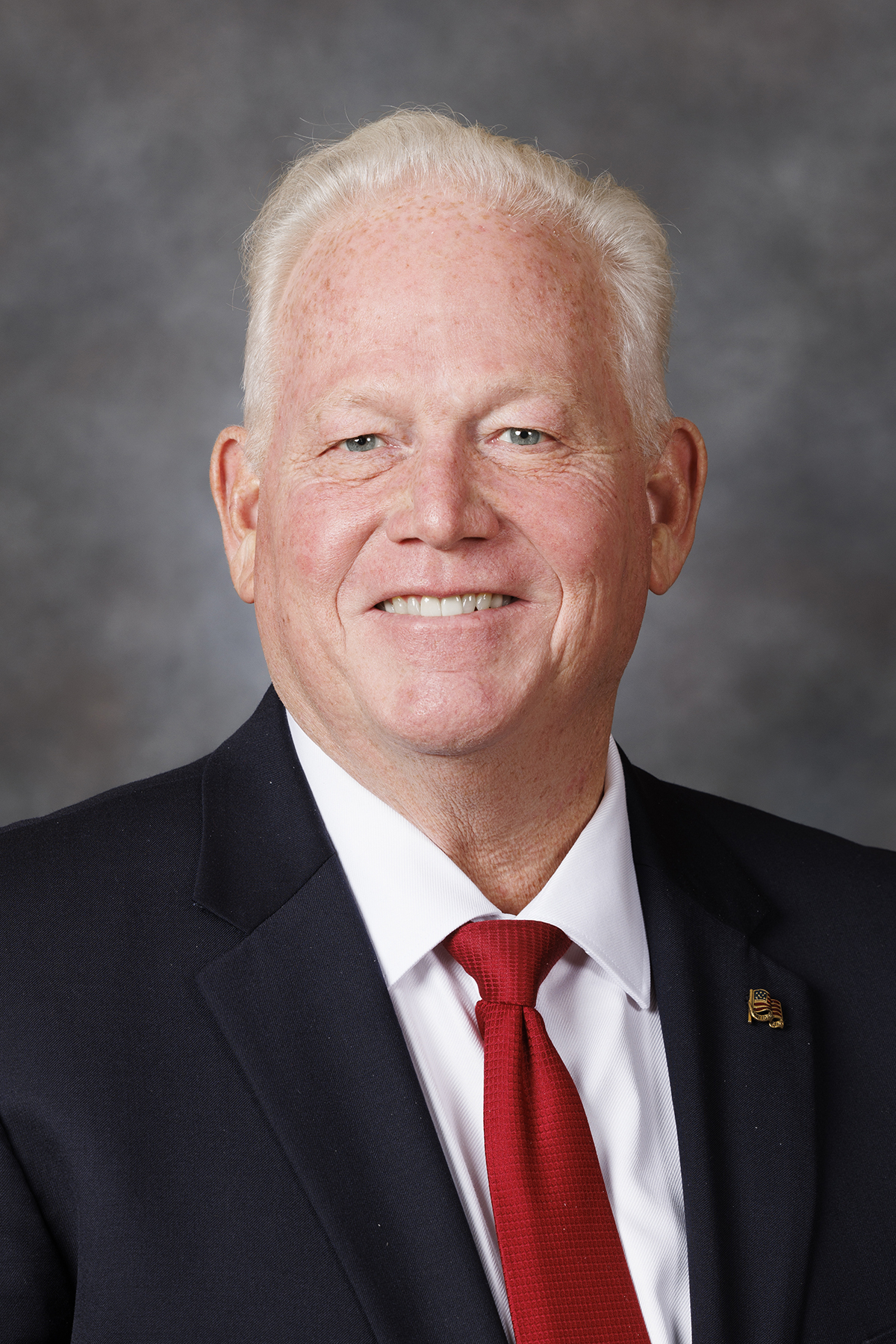
Rob Clements
38% support rate
Ranked legislators
10
5 support · 5 oppose
Key legislators

Who's moving criminal justice in Nebraska

Legislators moving criminal justice in Nebraska
Legislator Party Stance Support rate Votes
Eliot Bostar
Eliot Bostar House · District 29
N
Support
69% 44
Tom Brandt
Tom Brandt House · District 32
N
Support
68% 69
John Fredrickson
John Fredrickson House · District 20
N
Support
65% 39
Robert Dover
Robert Dover House · District 19
N
Support
65% 40
John Cavanaugh
John Cavanaugh House · District 9
N
Support
64% 61
Rob Clements
Rob Clements House · District 2
N
Oppose
38% 69
Mike Jacobson
Mike Jacobson House · District 42
N
Oppose
40% 61
Dan Lonowski
Dan Lonowski House · District 33
N
Mixed −
40% 66
Bob Andersen
Bob Andersen House · District 49
N
Mixed −
41% 72
Kathleen Kauth
Kathleen Kauth House · District 31
N
Mixed −
41% 73
Showing 101–110 of 122 bills

All criminal justice bills

died · Nebraska · Legislature Apr 17, 2026

LB 387: Redefine a term under the Nebraska Treatment and Corrections Act

Nebraska bill LB 387 redefines "solitary confinement" in the state's Correctional Services Act to specifically mean "confinement in an individual cell having solid, soundproof doors that deprives an inmate of all visual and auditory contact with others." This change directly affects Nebraska correctional facilities and inmates held in restrictive housing, as it establishes a clear legal definition for this practice. The bill amends section 83-170 of the law by adding this definition and repealing the previous version. This is a technical clarification of terminology, not a new policy or funding change.
Sub-Topics Corrections
died · Nebraska · Legislature Apr 17, 2026

LB 327: Require the state to pay expenses for probation services

LB 327 shifts responsibility for funding probation services from Nebraska counties to the state. Beginning between July 1, 2026, and July 1, 2027, the state will pay all costs for probation staff salaries, travel, office maintenance, and technology (including hardware, software, and internet). This replaces a prior system where counties initially covered these expenses and sought reimbursement from other counties. The bill directly affects county probation offices, which will no longer bear these costs, and the state budget, which must appropriate funds through the Supreme Court.
Sub-Topics Probation & Parole
died · Nebraska · Legislature Apr 17, 2026

LB 636: Change provisions relating to fees allowed for sheriffs and provide for reimbursement to counties for medical services for jail inmates

LB 636 creates a state reimbursement program for counties covering medical costs for jail inmates, effective July 1, 2025. Counties must submit quarterly claims for eligible medical expenses (like treatment or emergency care) to the Jail Standards Board, which will pay them up to $21 million annually. The bill updates sheriff fee rates but primarily shifts the financial burden from counties to the state for inmate medical care, requiring counties to document costs and comply with strict filing deadlines. It excludes costs resulting from county negligence and mandates biennial audits of county records.
died · Nebraska · Legislature Apr 17, 2026

LB 255: Provide for use of the Opioid Treatment Infrastructure Cash Fund for problem solving courts

LB 255 redirects $1 million annually from Nebraska's Opioid Treatment Infrastructure Cash Fund to support problem-solving courts. It specifically authorizes funding for medication-assisted treatment (using FDA-approved medication combined with counseling and therapy) for individuals with substance use disorders participating in these courts. The bill affects drug, veterans, mental health, and other problem-solving courts across judicial districts, requiring the State Court Administrator to track outcomes and report on recidivism and program access. This policy change explicitly ties fund usage to court-based treatment programs, as amended in sections 24-1302 and 71-2492 of Nebraska law.
died · Nebraska · Legislature Apr 17, 2026

LB 127: Provide for damages for defendants who are found not guilty or whose cases are dismissed or overturned

LB 127 allows defendants in Nebraska criminal cases who are found not guilty, have charges dismissed, or have convictions overturned to seek compensation for financial harms caused by wrongful prosecution. It requires courts to award reasonable attorney fees, lost wages, and other litigation costs when a case ends in dismissal or acquittal under specific conditions. The bill excludes cases where defendants later face conviction for related offenses arising from the same misconduct. This law directly affects individuals cleared of criminal charges after significant legal costs and time spent in detention.
Sub-Topics Victims' Rights
died · Nebraska · Legislature Apr 17, 2026

LB 578: Change provisions relating to compensation and employment of jail and prison inmates and disbursements of such funds and require payment of the minimum wage for inmates and government employees

LB 578 requires city and county jails and Nebraska's Department of Correctional Services to pay incarcerated individuals the state minimum wage for work performed in correctional facilities. It mandates that administrators establish bank accounts for inmates to receive their wages, replaces outdated wage distribution rules, and ensures inmate labor complies with federal workplace safety standards. The bill also clarifies that inmates' wages cannot displace existing workers or violate local pay standards for similar work. These changes apply to all inmates working in jails or state correctional facilities, directly affecting their compensation and financial management.
died · Nebraska · Legislature Apr 17, 2026

LB 584: Change sentencing provisions for crimes committed by a person younger than eighteen years of age

Nebraska's LB 584 changes sentencing for juveniles (under 18) convicted of felonies. It establishes new minimum and maximum prison terms for Class IA through IIA felonies, such as 20-50 years for Class IA offenses. The bill requires courts to consider specific mitigating factors like the defendant's age, family environment, mental health evaluations, and developmental history before sentencing. This replaces previous sentencing rules and harmonizes juvenile sentencing with Nebraska's Juvenile Code, allowing courts to use juvenile disposition options instead of standard penalties.
died · Nebraska · Legislature Apr 17, 2026

LB 448: Provide for postconviction relief for a claim of actual innocence, change provisions relating to time limitations, required disclosures, and procedural defaults, and name the Postconviction Relief Act

LB 448 establishes the "Postconviction Relief Act" in Nebraska, creating a new legal pathway for prisoners to seek relief based on a claim of actual innocence - not just constitutional violations. It requires prisoners to present new evidence (like DNA results or evidence implicating another suspect) proving by clear and convincing evidence that a different trial outcome was likely. The bill adjusts time limits for filing claims and allows courts to excuse procedural defaults or missed deadlines to prevent "manifest injustice" when a prisoner makes a credible innocence claim. This law directly affects incarcerated individuals, courts, prosecutors, and law enforcement by modifying procedures under sections 29-3001 to 29-3004 of Nebraska’s statutes.
Sub-Topics Law Enforcement
died · Nebraska · Legislature Apr 17, 2026

LB 277: Change provisions relating to grand juries in cases of death during apprehension or custody

LB 277 requires Nebraska counties to appoint a special prosecutor with at least five years of criminal litigation experience whenever a person dies during law enforcement apprehension or custody. It mandates that a team of three homicide-trained investigators (with at least two from outside the local jurisdiction) examine the case, and prohibits involved officers or detention staff from returning to duty until the grand jury investigation concludes. The bill applies directly to law enforcement agencies, county attorneys, and coroners, and requires grand jury proceedings to begin within 30 days of the coroner’s certification. Exceptions apply only if a physician certifies the death resulted from natural causes.
Sub-Topics Violent Crime
died · Nebraska · Legislature Apr 17, 2026

LB 466: Redefine a term under the Nebraska Juvenile Code

LB 466 redefines specific terms in Nebraska's juvenile justice law to clarify existing procedures. It specifically revises the definition of "alternative to detention" to exclude physical restraints (like locked facilities), clarifying that electronic monitoring or community programs count, but hardware-based restrictions do not. The bill also adds detailed definitions for "staff secure juvenile facility" to distinguish it from secure detention. This purely definitional bill affects juvenile courts, detention facilities, and legal professionals who apply these terms in cases involving youth. It does not create new programs or change penalties.
Sub-Topics Juvenile Justice
Showing 101 to 110 of 122 bills
Previous 1 10 11 12 13 Next