

Maddy summaryHouse Bill 696 establishes a framework for the legislative approval of spent nuclear fuel reprocessing facilities within Montana. It authorizes such facilities if they reprocess fuel from in-state or out-of-state sources, receive a state recommendation from the Department of Environmental Quality, and obtain a federal license from the Nuclear Regulatory Commission. The bill also amends existing law, requiring companies applying to federal energy or nuclear regulatory commissions to notify the state's Department of Environmental Quality and pay a fee to support the department's review and participation in federal proceedings.
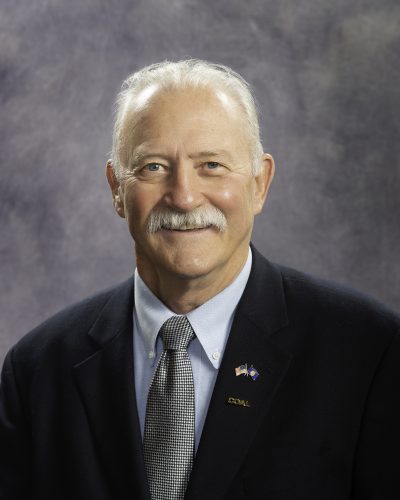
Rep. Gary Parry
Sponsored bills
Maddy summaryHouse Joint Resolution 4 requests the Legislative Council to conduct an interim study on artificial intelligence (AI). This study will involve an appropriate legislative committee or staff examining existing AI laws and regulations from other states and the federal government. The study will research an AI code of ethics for state agencies and an AI bill of rights for Montana citizens, based on other state models. It will also assess the benefits and risks of AI to state agencies and Montana residents, including impacts on employment, constitutional rights, privacy, and economic welfare. The findings and recommendations are to be reported to the 70th Legislature by September 15, 2026.
Maddy summaryHB 146 establishes new hunting license fees for sandhill cranes and swans in Montana. It adds $10 for resident and $50 for nonresident application fees for these species, plus $10 resident/$75 nonresident licenses for cranes and swans (requiring also a $5.50 migratory game bird license). All fees collected for these licenses and applications will fund Montana's wetland conservation efforts through the state special revenue account. The law takes effect March 1, 2026, after being signed by the Governor on April 7, 2025.
Maddy summaryHB 98 revises Montana's hunting and fishing license laws to clarify possession rules for electronic licenses. It allows individuals to physically carry their spouse's or minor child's unused electronic license while hunting together, removing a prior restriction. The bill also requires license holders to personally validate their own licenses, prohibiting others (including minors) from doing so. These changes directly affect hunters and anglers who use electronic licenses, updating Sections 87-6-304 and 87-6-305 of Montana law with an immediate effective date.
Maddy summaryHB 61 amends Montana's inter-entity loan rules to allow state agencies managing federal special revenue funds to maintain a negative cash balance at fiscal year-end, provided they will be reimbursed from federal funds. This directly affects state agencies administering federal grants (like those for healthcare or education programs) that require advance spending. The key change removes the previous prohibition on negative balances for these specific funds, as long as the agency can demonstrate timely billing for reimbursements and the negative balance doesn't exceed 7 working days. The bill also adds reporting requirements for agencies with repeated negative balances or extended loans.
Maddy summaryHB 54 removes a requirement that the Commissioner of the Department of Labor and Industry (DLI) must counter-sign warrants for payments from Montana's Unemployment Trust Fund. This change directly affects the DLI's payment processing workflow, streamlining how unemployment benefit payments are authorized. The bill repeals Section 39-51-405 (which mandated the signature) and amends Section 39-51-406 to reflect this removal, with immediate effect upon enactment.
Maddy summaryHB 425 would have made Montana peace officers financially responsible for property damage or injuries to occupants when they illegally enter a building during a search or pursuit. Specifically, it applied if officers entered the wrong dwelling per a warrant, pursued a suspect into a non-suspect's building, or caused a hostage situation while apprehending someone. The bill aimed to directly affect law enforcement officers and residents of buildings where such incidents occurred. However, the bill was withdrawn on February 19, 2025, before becoming law.