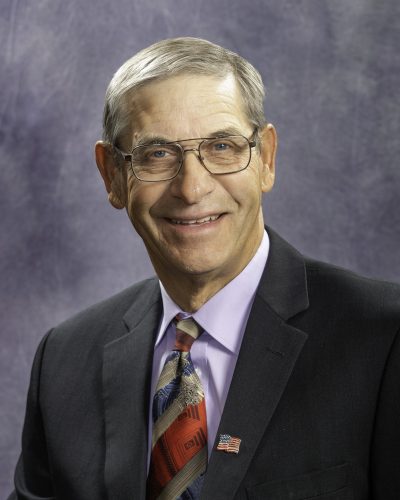
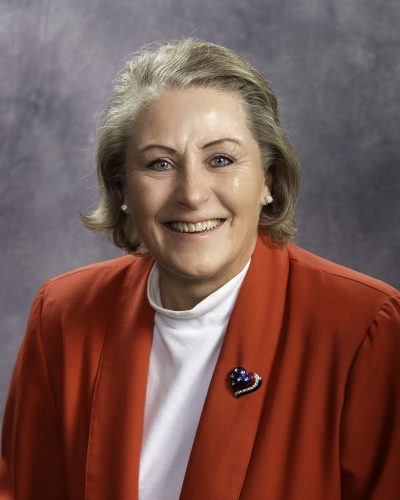
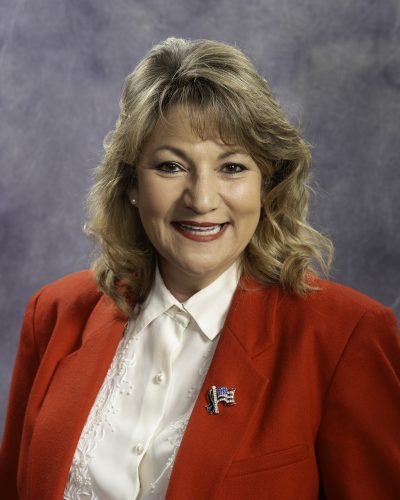
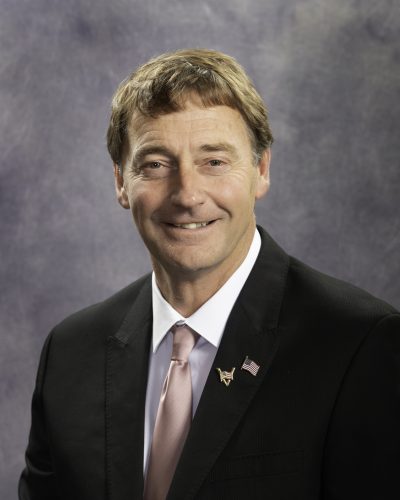
Key legislators
Who's moving collective bargaining in Montana
Showing 3 of 3
bills
All labor & employment bills
This bill establishes the Healthy Families and Workplaces Act, requiring employers with 10 or more employees to provide paid sick leave to their workers. Under the new law, employees earn at least one hour of paid sick leave for every 40 hours worked, up to a maximum of 80 hours per year, with the option to carry unused leave forward to the next year. The paid leave can be used for personal illness, family medical needs, domestic violence situations, sexual assault, or preventive health care, and employers must maintain confidential records of leave requests. The Department of Labor and Industry is authorized to enforce the policy, while employers offering similar leave through collective bargaining agreements or providing more generous benefits may qualify for exceptions.
This bill updates Montana's apprenticeship requirements for electricians by allowing individuals to qualify for journeyman and residential electrician licenses through either state-approved programs or substantially equivalent training. It establishes specific experience thresholds, requiring 8,000 hours for journeyman electricians and 4,000 hours for residential electricians, while also recognizing union or trade association training programs as valid pathways. The legislation clarifies definitions of legal practical experience and electrical maintenance work, ensuring that experience gained outside of completed apprenticeships counts toward licensure. These changes directly affect current and aspiring electricians seeking professional licensure in Montana by providing more flexible qualification options.
HB 319 aimed to prohibit employers from requiring employees to attend training sessions related to "controversial social vision." The bill defined "controversial social vision" as any agenda, concept, or theory not broadly accepted in society or that generates strong opposition from mainstream political, religious, or social groups. Additionally, it sought to amend election law to prevent an elector's employer, an agent of the employer, or a union officer from being designated as an agent for a disabled elector.