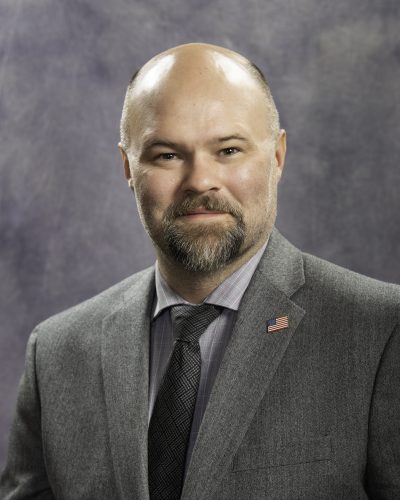
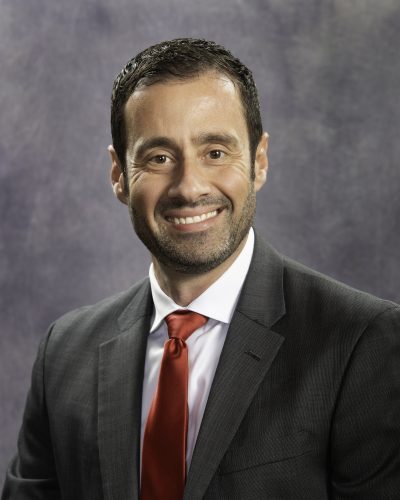
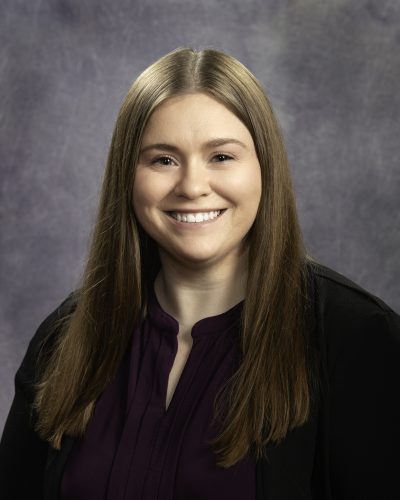
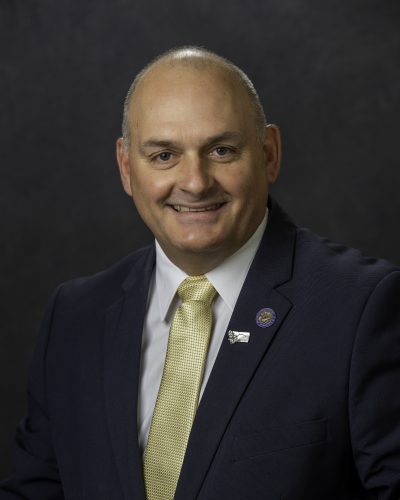
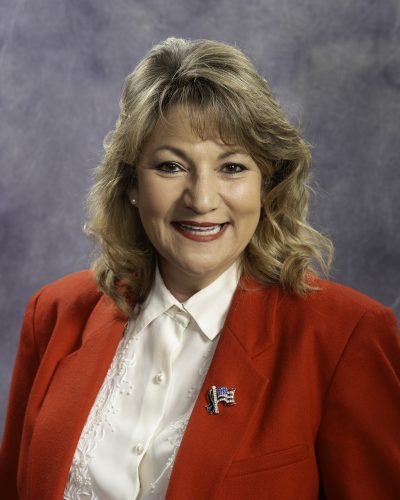
Key legislators
Who's moving immigration in Montana
Showing 3 of 3
bills
All immigration bills
SB 329 requires Montana employers with more than 50 employees to use the federal e-Verify system to confirm new hires' work authorization within three business days of hiring. It mandates employers to register for e-Verify, submit employee data for verification, and maintain records for three years or the duration of employment. Employers who fail to verify or employ unauthorized workers face fines up to $5,000 per violation, enforced by the Attorney General through investigations and potential license suspension. The bill exempts employers who hired staff before October 1, 2025, and those already complying with federal verification laws, while prohibiting local governments from blocking enforcement.
House Bill 361 sought to establish state funding for school districts serving English language learners and provide professional stipends for their teachers. It proposed state matching funds for public school districts that receive federal subgrants for programs supporting students with limited English proficiency. The bill also aimed to provide annual stipends of up to $500 for qualified teachers holding specific certifications in English as a Second Language or culturally and linguistically diverse education. Teachers meeting these qualifications and working in high-poverty or impacted schools could receive an enhanced stipend of up to $1,000, with both the state and school districts contributing to these payments.
House Bill 226, titled the "Legal Employment and Government Accountability Law," requires employers to verify the legal work authorization of all employees before they start working. Employers must use either the federal E-Verify program or a completed Form I-9 with supporting documents to confirm eligibility. The Department of Labor and Industry is authorized to enforce this law through investigations, audits, and rulemaking. Non-compliance can lead to civil penalties, including fines for each individual employed in violation and potential suspension of business licenses for repeat offenses. A dedicated state special revenue fund will collect these penalties to support the law's implementation and administration.