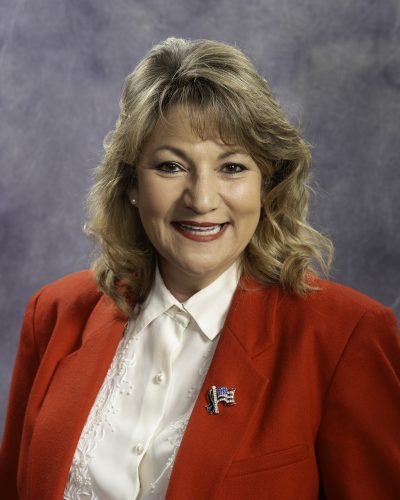
Key legislators
Who's moving immigration in Montana
Showing 3 of 3
bills
All immigration bills
HB 896 aimed to expand Montana's obstructing justice laws by redefining who is considered "an offender." Under this bill, "an offender" would include individuals who have entered the United States unlawfully or have not complied with their immigration status conditions. Consequently, a person could be charged with obstructing justice for knowingly harboring, assisting, or preventing the discovery or apprehension of such individuals. The bill also included a $500 appropriation to the Department of Justice to notify local law enforcement agencies and county attorneys about these new requirements.
HB 797, also known as the "Expanding Physician Access Act," aims to revise occupational licensing laws to facilitate the licensure of international physicians. The bill establishes a process for the board to grant provisional licenses to international physicians who meet specific educational, examination, and experience requirements, and have an employment offer from a healthcare provider in the state. These provisional licenses automatically convert to full licenses after three years of continuous active practice in the state. This initiative seeks to remove barriers for internationally licensed physicians to fill vacancies, particularly in rural and primary care settings, while maintaining existing standards of care and licensing requirements.
HB 439, "Creating sheriffs' first initiative for cooperation and communication," aimed to regulate arrests, searches, and seizures conducted by federal employees and agents in Montana. The bill would have required federal personnel, unless designated as state peace officers, to obtain written permission from the county sheriff before making an arrest, search, or seizure. It provided exceptions for situations like operations on federal land or when an immediate arrest for a witnessed crime was necessary. For some exceptions, permission from the state attorney general would have been required. The bill also allowed county sheriffs discretion on whether to implement these provisions and declared federal laws granting federal employees sheriff-like authority invalid in the state.