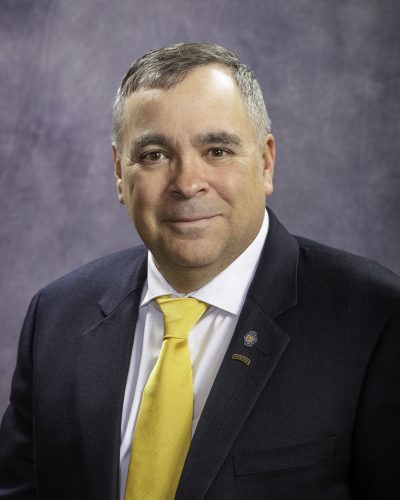
HB 557 would revise Montana education laws to limit how schools can use teacher professional development days. Specifically, it prohibits using "pupil-instruction-related days" (PIR days) for attending state teacher organization meetings, removes the requirement for school boards to close schools for these annual meetings, and changes attendance policies so teachers who skip these meetings may not be paid. The bill directly affects public school teachers, school districts, and the state's education funding structure by altering how professional development time is structured and compensated. These changes would have taken effect July 1, 2025, but the bill died in committee on May 22, 2025.
HB 663 prohibits Montana public universities and eligible educational institutions from considering race, color, ethnicity, or national origin in admissions, hiring, scholarships, financial aid, or program participation. The bill bans using applicant or student demographic data for decisions and requires institutions to withhold such information from admissions officers until decisions are final. It creates a private right to sue for violations, including a fixed $4,000 statutory penalty per violation, plus compensatory or punitive damages, and waives state immunity for such cases. The bill, which stalled in committee in May 2025, would have taken effect October 1, 2026, if enacted.
HB 945 aimed to establish the Early Childhood Education and Child Care Infrastructure Grant Program in Montana. This program would have provided up to $10 million in grants to licensed child care facilities and school districts across the state. The grants were intended to fund capital expenses, such as property acquisition, construction, renovation, and equipment purchases, to create new or expand existing child care programs. Recipients of grants $50,000 or more would have been required to provide matching funds or in-kind contributions. The bill also set limits on the maximum funding per county and per individual project.
HB 457 aimed to modify the Best Beginnings Child Care Scholarship Program. It proposed changing the family income eligibility requirement from a minimum of 185% of the federal poverty level to 85% of the state median income for each family size. Additionally, the bill sought to appropriate $17 million annually from the general fund to the Department of Public Health and Human Services for the program for the biennium beginning July 1, 2025.
HB 168 revises state school funding laws to include 3- and 4-year-old children with disabilities in a school district's annual number belonging (ANB) calculations. This change enables school districts to receive state financial support for providing special education services to these preschool-aged children. Previously, these children were not included in ANB counts, meaning there was no state funding mechanism for their education, despite districts being obligated to provide these services. The bill amends Section 20-9-311, MCA, to allow their inclusion based on aggregate hours of pupil instruction.
HB 515 revises state laws concerning funding for school facilities and technology, directly affecting school districts across the state. The bill consolidates two existing state special revenue accounts and increases the amount and multiplier in the state's major maintenance aid formula. These changes are intended to provide more funding to school districts for significant upkeep projects without impacting property taxpayers. Additionally, it revises statutes related to state school technology payments and allows natural resource development payments to support state major maintenance aid and debt service assistance.
House Bill 381 allows 11th and 12th-grade students in public and nonpublic schools to earn elective high school graduation credits for paid or voluntary work in certain care settings. Students can earn one elective credit for every 250 hours worked, up to a maximum of two credits, in approved congregate-care or child-care facilities. Schools must establish an application process for students, which includes details about their work and supervision. Additionally, schools may set specific conditions and requirements for the type of work that qualifies for credit. This act will become effective on July 1, 2025.
SB 350 revises Montana's education laws concerning extracurricular participation for home school students. The bill allows school districts or athletic organizations to restrict a home school student's ability to participate in extracurricular activities if that student is not a United States citizen or not a resident of Montana. Previously, such restrictions were generally prohibited solely based on the student's home school enrollment. All other existing rules, such as home school students meeting the same participation standards as full-time students, remain in effect.
HB 343 requires school districts to establish a program allowing students to be released from regular school attendance for religious instruction, upon written request from a parent or guardian. This program must provide at least one hour of released time per week for religious instruction. The bill also mandates that school districts adopt a policy to award academic credit for completed religious instruction courses. Credit evaluation must be based on secular criteria, such as class hours and course materials, without regard to the religious content. Public school property or funds cannot be used for the religious instruction itself.
SB 181 generally revises Montana's Indian Education for All laws to strengthen the state's commitment to preserving American Indian cultural integrity. The bill requires all certified school personnel and students to receive instruction in American Indian studies, emphasizing tribal consultation and the use of Indian language and cultural specialists. It places additional accountability and reporting requirements on the Board of Public Education, the Office of Public Instruction, and school districts, particularly regarding the financial oversight of state funds for these programs. This legislation aims to improve the delivery and accountability of American Indian education across Montana's public education system.