

Issue · Budget & Taxes
Budget & Taxes
Every budget & taxes bill, vote, and legislator stance in Montana, automatically classified by Maddy, our AI policy reader.
Total bills
611
2025 Regular Session
Top supporter
Derek Harvey
78% support rate
Top opponent
Daniel Emrich
34% support rate
Ranked legislators
10
5 support · 5 oppose
Key legislators
Who's moving budget & taxes in Montana
| Legislator | Party | Stance | Support rate | Votes |
|---|---|---|---|---|

Derek Harvey
Senate · District 37
|
D |
Support
|
78% | 633 |

Gayle Lammers
Senate · District 21
|
R |
Support
|
78% | 640 |

Melissa Nikolakakos
House · District 20
|
R |
Support
|
76% | 643 |

Josh Kassmier
Senate · District 13
|
R |
Support
|
76% | 623 |

Sara Novak
Senate · District 36
|
D |
Support
|
75% | 612 |

Daniel Emrich
Senate · District 11
|
R |
Oppose
|
34% | 621 |

Kathy Love
House · District 85
|
R |
Oppose
|
38% | 604 |

Caleb Hinkle
House · District 68
|
R |
Mixed −
|
41% | 598 |
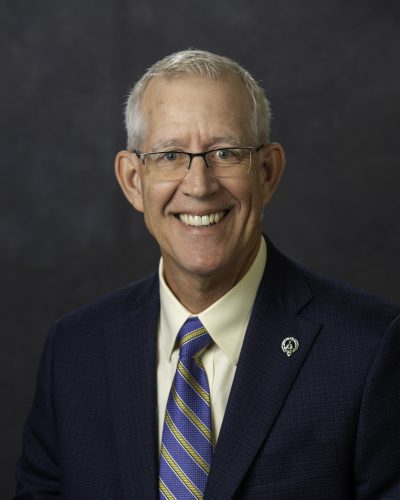
Tom McGillvray
Senate · District 26
|
R |
Mixed −
|
42% | 632 |

Jeremy Trebas
Senate · District 10
|
R |
Mixed −
|
43% | 622 |
Showing 581–590 of 611
bills
All budget & taxes bills
SB 102: Revise calculation of state education levies
Topics
✗ Budget & TaxesOpposes Budget & TaxesCaps property tax revenue growth for education levies at 3%, restricting school district funding flexibility and limiting tax increases.
✗ EducationOpposes EducationCaps annual revenue growth for education levies at 3% and prevents carrying forward unused tax authority, directly restricting school district funding flexibility and growth.
HB 213: Revise residential and commercial property tax rate
Topics
✓ Budget & TaxesSupports Budget & TaxesLowers property tax rates for most residential properties, providing tax relief to middle-income homeowners per bill's explicit rate reduction from 1.35% to 0.76%.
✓ HousingSupports HousingLowers property tax rate for residential properties (1.35% to 0.76%), reducing costs for homeowners and rental units, advancing housing affordability.
SB 558: Provide a general statewide sales tax to replace school property taxes
Topics
✓ Budget & TaxesSupports Budget & TaxesBill replaces property taxes with statewide sales tax to fund schools, creating dedicated revenue stream for public education via new tax structure.
✓ EducationSupports EducationBill redirects sales tax revenue to dedicated school funding account, ensuring stable funding without reducing education budgets per summary.
HB 924: Generally revise state finance laws
Topics
✓ Budget & TaxesSupports Budget & TaxesProvides property tax relief and funds essential programs (disaster resiliency, water, bridges, early childhood) via new trust, directly supporting tax relief and public spending priorities.
✓ HousingSupports HousingBill explicitly allocates half of interest income to housing infrastructure, directly funding development projects per the trust's structure.
✓ TransportationSupports TransportationBill allocates funds specifically to 'bridge repairs' (transportation infrastructure) as one of five designated programs funded by the trust's interest income.
HB 209: Prove income tax credit for nonpublic school expenses such as private or homeschool tuition
Topics
✗ Budget & TaxesOpposes Budget & TaxesCreates tax credit reducing state revenue, weakening fiscal management by limiting tax income without direct public service funding.
✓ EducationSupports EducationBill creates tax credit for nonpublic school expenses, expanding educational access options through financial support for private/homeschooling.
HB 922: Generally revise education tax credit laws
Topics
✓ Budget & TaxesSupports Budget & TaxesEstablishes tax credit reducing income tax liability for education expenses, providing tax relief per bill's tax credit provisions.
✓ EducationSupports EducationCreates $250 tax credit per nonpublic school student, expanding educational access and financial support for families using private schools.
HB 155: Revise class four residential and commercial property taxes
HB 252: Create the student and teacher advancement for results and success act (STARS)
Topics
✓ Budget & TaxesSupports Budget & TaxesBill enhances school funding formula, increases budget authority for districts, restores Advanced Opportunities funding, and creates new education-focused funding components.
✓ EducationSupports EducationEnhances school funding formula with teacher salary incentives, restores Advanced Opportunities funding, and adds Future Ready component for K-12.
HB 489: Revise sales tax laws to provide for local option tax
Topics
✓ Budget & TaxesSupports Budget & TaxesBill creates local sales tax (max 4%) to fund property tax relief for primary residences/rentals, directly reducing tax burden on homeowners per summary.
✓ HousingSupports HousingProvides property tax relief for primary residences and long-term rentals, reducing housing costs and supporting affordability through targeted tax relief.