

Maddy summaryHB 1216 establishes a statewide program for collecting and recycling unused architectural paint (interior/exterior coatings sold in 5-gallon containers or less). It requires paint producers to fund and manage a recycling program through a "paint assessment fee" added to paint sales, which covers collection, reuse, and disposal costs. The program mandates that 90% of Missouri residents must have a collection site within 15 miles, with producers or a representative organization developing plans for statewide collection sites, events, or partnerships with existing hazardous waste programs. The fee must be verified by an independent auditor to ensure it only covers program costs, and producers must include educational materials about the program in paint purchases.
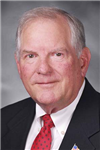
Rep. David Dolan
Sponsored bills
Maddy summaryHB 1122 replaces Missouri's existing coroner qualifications and compensation laws with new requirements. It mandates that county coroners must be U.S. citizens over 21 who have resided in the state for a year and the county for six months prior to election, plus complete certified death investigation training from approved organizations. The bill establishes a salary schedule based on county assessed valuation (e.g., $8,000 for counties with $18M-$41M valuation), with $1,000 of that salary contingent on completing 20+ hours of annual training. This directly affects all Missouri county coroners by changing their eligibility, salary structure, and ongoing training obligations.
Maddy summaryHB 927 designates June as "Fathership Month" in Missouri to promote awareness of fathers' roles in children's lives and establishes the "Missouri Fathership Project" within the Department of Social Services. The bill creates a grant program to fund community organizations that hire "fathership project specialists" who help fathers rebuild relationships with children, navigate court systems, and overcome barriers to reunification. These specialists serve as direct liaisons for fathers in family court cases, developing personalized plans to address relationship breakdowns and support compliance with court-ordered case plans. The initiative directly affects fathers seeking to reconnect with children, particularly those involved in family court or child support cases, and is funded through state appropriations and dedicated grants.
Maddy summaryHB 736 raises the age threshold for domestic violence protection proceedings from 17 to 18 years old. This means minors under 18 (now legally defined as "children" in the law) will no longer be treated as adults in these cases. The bill requires courts to transfer cases involving respondents under 18 to juvenile court for a full hearing, appointing a guardian ad litem if needed. It also updates definitions and service procedures to reflect the new age limit for minors seeking or facing protection orders. The change directly affects young people involved in domestic violence, stalking, or sexual assault cases where protection orders are sought.
Maddy summaryHB 1414 creates a new exemption from Missouri's earned paid sick time law for employees working on vessels documented under federal law (46 U.S.C. Section 12105). This bill directly affects workers employed by companies operating federally documented vessels, such as commercial boats or ships. The key mechanism adds these employees to the existing list of exempt workers under the sick time law, meaning they are not required to receive paid sick time under the state's current regulations. The exemption applies to vessel operation employees covered by federal maritime documentation, not to all maritime workers.
Maddy summaryHB 328 updates regulations for public mass transportation systems, including light rail and buses operated by the bi-state development agency. It prohibits carrying weapons (including firearms) on transit facilities and conveyances, with limited exceptions for law enforcement officers or unloaded rifles/shotguns in a closed container. The bill also bans alcohol consumption, smoking, littering, and obstructive behavior on transit, requiring fare payment and compliance with agency directives. These rules apply directly to all passengers and employees using public transportation services.
Maddy summaryHB 1531 allows individuals who successfully complete a state-administered substance abuse treatment program for nonviolent offenders to petition courts for limited driving privileges. This applies specifically to graduates of the program who have met all treatment requirements without violating terms. Courts may grant temporary driving rights for essential needs like work, medical appointments, school attendance, or substance abuse treatment, subject to conditions such as ignition interlock devices. The bill directly affects eligible program graduates seeking restored mobility for reintegration purposes after completing their treatment.
Maddy summaryHB 1025 establishes that when a court awards custody to a third party (such as a grandparent) because both parents are unfit or the child's welfare requires it, grandparents must be given priority over other third parties. The bill specifically requires courts to prioritize grandparents for custody, visitation, or temporary custody in such cases before considering other suitable individuals. This applies only when parents are deemed unable or unwilling to care for the child, or when the child's safety or well-being necessitates third-party involvement. The law does not change existing standards for determining parental unfitness but clarifies that grandparents are the first choice for third-party custody arrangements.
Maddy summaryHR 164 is a procedural resolution granting the Missouri Bar permission to use the House Chamber for swearing-in ceremonies of newly licensed attorneys on two specific dates: April 25, 2025, and September 26, 2025, from 10:00 a.m. to 3:00 p.m. The bill directly affects the Missouri Bar and its newly licensed members by providing a designated venue for this official event. Key provisions include requiring the Missouri Bar to follow strict conduct rules (such as proper attire, no food/drink, and no banners) and mandating that a designated representative (from the sponsor or their designee) oversee the event to maintain chamber decorum. The resolution does not create new laws but formally authorizes this limited, time-bound use of the chamber for a traditional bar function.