

Maddy summaryHB 1446, the "Robert G. Clark, Jr., Voting Rights Act of Mississippi," would create a Mississippi Voting Rights Commission to prevent voter suppression and protect voting rights. It prohibits political subdivisions (like counties and cities) and state agencies from implementing election policies that disproportionately affect racial, ethnic, or language minority voters, requiring such policies to be reviewed by the Commission before implementation. The bill also mandates protections for limited English proficient voters and voters with disabilities, requires advance notice of election policy changes, and establishes a statewide voting database with universities. The bill died in committee on February 3, 2026, and was never enacted.
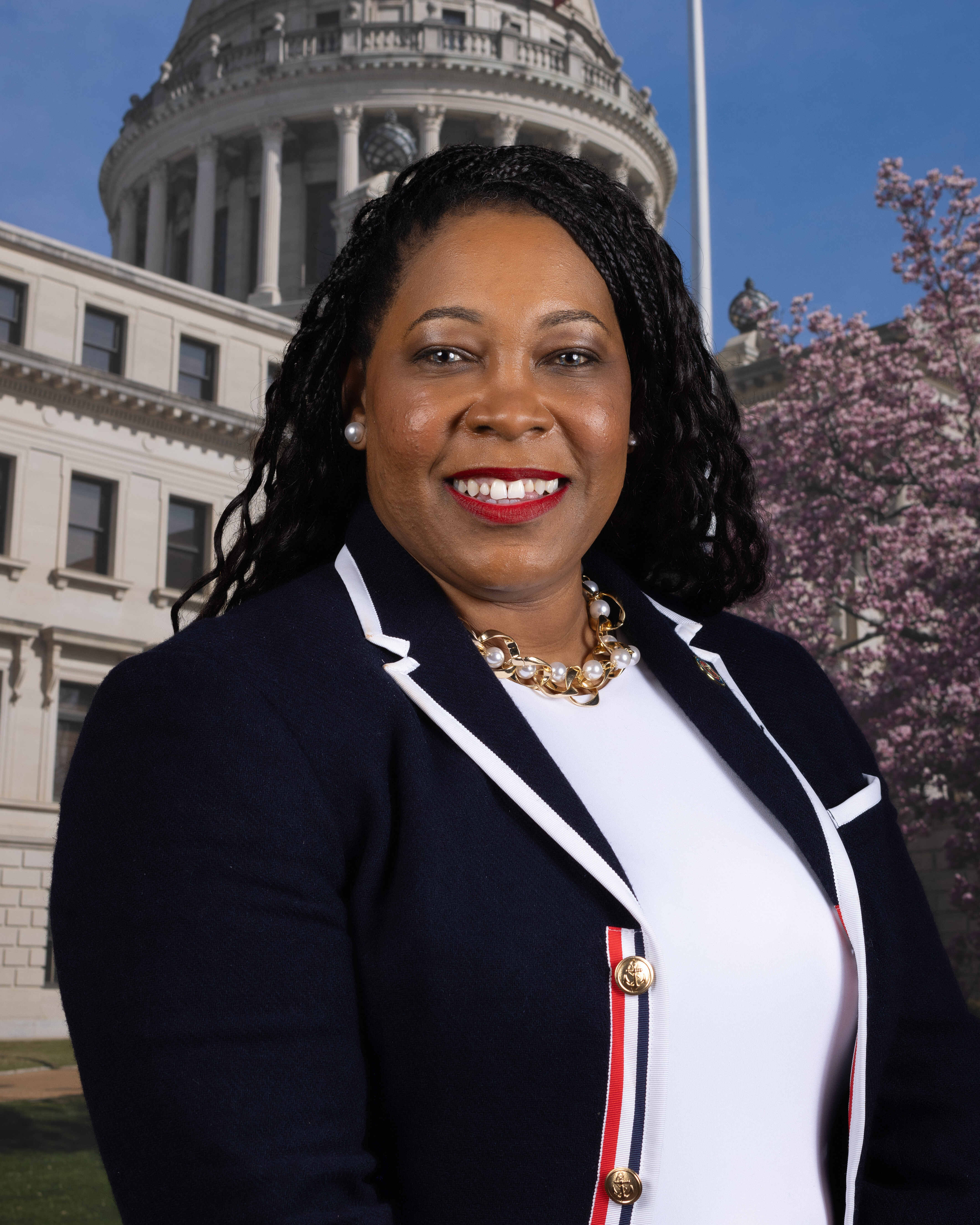
Rep. Timaka James-Jones
Sponsored bills
Maddy summaryHB 1445 would create Mississippi's "Gold Alert" system to address missing persons aged 18 to 23, a group the legislature identified as often overlooked despite being legally adults but still under family financial care. The bill requires law enforcement to immediately report cases meeting specific danger criteria (like imminent harm) to a central hub, triggering public alerts via media, electronic signs, and emergency networks to aid in rapid recovery. This system would bypass standard waiting periods for reports and coordinate a tiered response involving local agencies, first responders, and the public.
Maddy summaryThis bill (HC 21) is a symbolic resolution recognizing and celebrating "Mississippi Juneteenth Homecoming Weekend 2025." It does not create new laws or allocate funding but formally acknowledges the event through a concurrent resolution by the Mississippi legislature. The resolution cites Juneteenth's significance, the economic benefits of attracting Mississippi diaspora back to the state, and cultural tourism opportunities. The bill died in committee on April 3, 2025, and never became law.
Maddy summaryHB 4008 restores voting rights to Charles Howery of Yazoo County, Mississippi, who was disqualified from voting due to past criminal convictions. The bill specifically addresses his disqualification stemming from a 1982 conviction for receiving stolen property, after he completed all sentences and probation for multiple subsequent offenses (including burglary and robbery) through 2016. The legislation states he has since "conducted himself as a law-abiding and honorable citizen." As a procedural bill targeting one individual, it does not establish new policy or affect broader groups.
Maddy summaryHB 1876 restores Felisha Turner's right to vote in Mississippi after she lost suffrage rights due to a 2007 embezzlement conviction. The bill specifically reverses her disqualification, which stemmed from a three-year probation sentence completed in 2016, noting she has since been a law-abiding citizen. It does not change broader voting laws but directly affects only Turner based on her individual case. The bill passed the House in March 2025 but died in the Senate Judiciary Committee on April 3, 2025.
Maddy summaryHB 1937 restores Lamar Sampson's voting rights in Humphreys County, Mississippi, after he completed probation for a 2013 arson conviction. The bill specifically reinstates his right to vote following his release from probation in 2015, citing his "law-abiding and honorable" conduct since then. This is a personal restoration measure with no new policy mechanisms or broader application - it solely affects Lamar Sampson's eligibility to vote. The bill passed the House but died in committee without becoming law.
Maddy summaryHB 1951 restores voting rights to Charity Payne of Coahoma County, Mississippi, who was disqualified in 2003 after a 5-year embezzlement conviction (released June 2008). The bill states she has been a law-abiding citizen since her release and formally reinstates her right to vote. This is a specific, individual restoration of suffrage, not a new policy affecting broader groups. The legislature passed it in March 2025, but it died in committee on April 3, 2025, so it has not become law.
Maddy summaryHB 658 requires Mississippi's Department of Corrections to provide specific protective equipment - such as face masks, gloves, and eye protection - to state inmates assigned to work involving raw cleaning chemicals. This applies directly to inmates working in correctional facility maintenance, public service programs, cemetery restoration, or other designated assignments where they handle chemicals like acids, alkalies, or surfactants. The bill amends multiple sections of state law to mandate this safety provision, ensuring inmates receive necessary gear when using hazardous cleaning agents. It does not alter inmate eligibility for work programs but adds a clear safety requirement for specific job assignments.
Maddy summaryHB 927 establishes a state licensing system for professional midwives in Mississippi, requiring them to obtain a license from the newly created State Board of Licensed Midwifery. The bill mandates that health insurance plans covering maternity must also cover and reimburse services provided by licensed midwives, while prohibiting discriminatory language against midwifery in insurance policies. It exempts certified nurse midwives and physicians from licensing requirements and clarifies that midwifery is not considered the practice of medicine. The law sets standards for midwifery practice, including scope of care and confidentiality rules, and creates a regulatory framework for oversight and enforcement.
Maddy summaryHB 871 allows voters who are eligible to vote in a jurisdiction but are not registered there to cast an affidavit ballot on election day, which will then become their official voter registration in the statewide system. This means election officials must add them to the active voter list, eliminating the need for separate registration before voting. The bill also specifies that casting an affidavit ballot serves as a written request to transfer voting locations and automatically reactivates voters placed on inactive status after receiving a confirmation notice. These changes directly affect voters encountering registration issues at the polls on election day.