Issue · Labor & Employment

Labor & Employment

Every labor & employment bill, vote, and legislator stance in Mississippi, automatically classified by Maddy, our AI policy reader.

Total bills
132
119th Congress
Top supporter
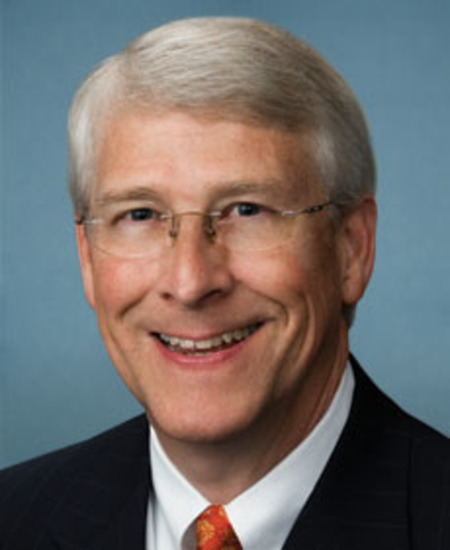
Roger F. Wicker
62% support rate
Top opponent
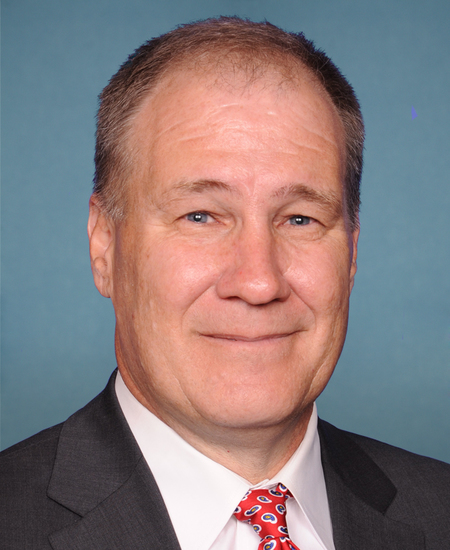
Trent Kelly
38% support rate
Ranked legislators
6
3 support · 3 oppose
Key legislators

Who's moving labor & employment in Mississippi

Legislators moving labor & employment in Mississippi
Legislator Party Stance Support rate Votes
Roger F. Wicker
Roger F. Wicker Senate
R
Support
62% 209
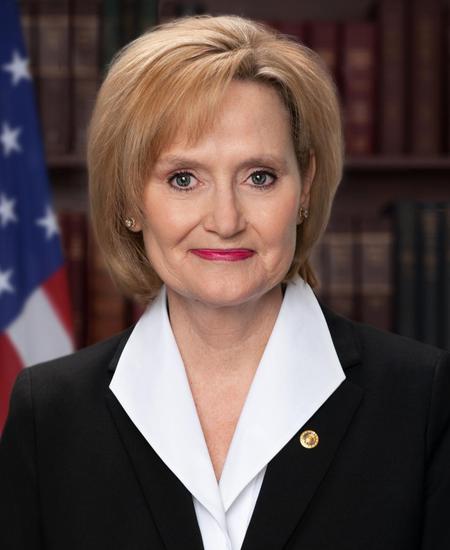
Cindy Hyde-Smith
Cindy Hyde-Smith Senate
R
Support
62% 213
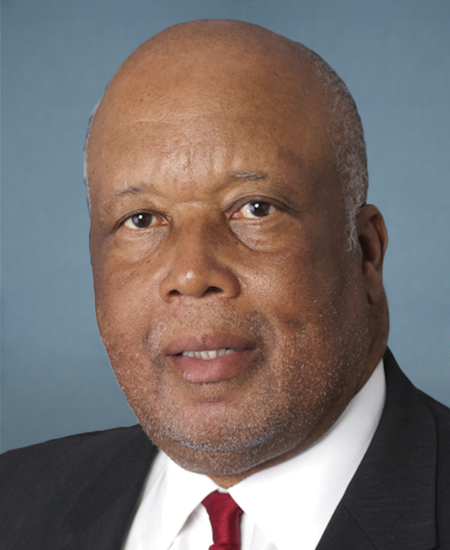
Bennie G. Thompson
Bennie G. Thompson House · District 2
D
Support
62% 193
Trent Kelly
Trent Kelly House · District 1
R
Oppose
38% 198
Michael Guest
Michael Guest House · District 3
R
Oppose
38% 195
Mike Ezell
Mike Ezell House · District 4
R
Oppose
38% 197
Showing 1–10 of 132 bills

All labor & employment bills

in committee · United States · House Jul 13, 2026

HRES 1427: Expressing support for the designation of July 10th as Journeyman Lineworkers Recognition Day.

This resolution expresses support for designating July 10th as Journeyman Lineworkers Recognition Day to honor the workers who maintain the nation's electrical grid. The bill specifically recognizes the dangerous conditions these employees face, such as working at heights near live power lines and responding to disasters like hurricanes and wildfires. It also commemorates Henry Miller, the first president of the International Brotherhood of Electrical Workers, who died on July 10, 1896, while performing his duties. Ultimately, the measure encourages the public to observe this day with reflection on the contributions of lineworkers.
Sub-Topics Apprenticeships
in committee · United States · House Jul 21, 2026

HCONRES 114: Recognizing the significance of equal pay and the disparity in wages paid to men and to Black women.

This concurrent resolution formally recognizes the persistent wage gap between Black women and white, non-Hispanic men in the United States. It highlights data showing that Black women earn significantly less than their male counterparts and reaffirms Congress's support for existing laws that prohibit pay discrimination based on sex or race. The document does not create new laws or change policy but serves as a symbolic statement to raise awareness about the economic disparities faced by Black women.
in committee · United States · House Jul 14, 2026

HR 9673: MARA Act of 2026

The MARA Act of 2026 establishes a new Office of Aquaculture within NOAA to oversee and promote commercial-scale offshore aquaculture projects in U.S. waters. This bill authorizes the issuance of permits for demonstration projects that must use native species, adhere to strict environmental safety standards, and minimize impacts on existing fishing and navigation. To support industry growth, the legislation creates funding for workforce training programs, establishes Aquaculture Centers of Excellence at specific universities, and mandates a unified permitting process to streamline federal approvals. Additionally, the act requires comprehensive studies and reports to assess the long-term environmental viability, economic benefits, and regulatory effectiveness of offshore aquaculture operations.
in committee · United States · House Jun 30, 2026

HR 9535: Securing Agriculture's Workforce Act of 2026

The Securing Agriculture's Workforce Act of 2026 modernizes the H-2A visa program by transferring administrative authority to the Department of Homeland Security and introducing a unified online platform to streamline applications for employers and workers. Key provisions include establishing new housing standards with mandatory inspections, creating a system for staggered worker entry and exit, and allowing workers to transfer between employers without losing their status. The bill also defines specific job classifications for wage calculations, expands the scope of covered agricultural activities, and provides legal protections for employers who document the employment of workers seeking visa status. Additionally, it requires agencies to develop a heat illness prevention plan and allows for contract termination due to natural disasters.
passed · United States · Senate Jun 24, 2026

SRES 794: A resolution expressing support for the designation of July 10, 2026, as Journeyman Lineworkers Recognition Day.

This resolution expresses support for designating July 10, 2026, as Journeyman Lineworkers Recognition Day to honor the workers who maintain the nation's electricity grid. The bill honors these employees for their critical role in keeping power running daily and for their dangerous work restoring service during disasters and extreme weather. It also commemorates the 130th anniversary of the death of Henry Miller, the first president of the International Brotherhood of Electrical Workers, who died while restoring power. Finally, the resolution encourages Americans to observe this day with reflection on the sacrifices made by lineworkers over the past century.
Sub-Topics Apprenticeships
in committee · United States · Senate Jun 16, 2026

S 4793: Foreign-Trade Zone Export Enhancement Act of 2026

The Foreign-Trade Zone Export Enhancement Act of 2026 aims to support U.S. manufacturing and job creation by allowing specific goods to enter foreign-trade zones without paying import duties. This change applies to items classified under a specific tariff heading that are manufactured or altered within these zones and then exported directly to countries in the USMCA trade agreement. To put this into effect, U.S. Customs and Border Protection must issue new regulations within 90 days of the bill becoming law.
in committee · United States · Senate May 21, 2026

S 4620: Mandatory E-Verify Act of 2026

The Mandatory E-Verify Act of 2026 makes the E-Verify employment eligibility verification system permanent and mandatory for all employers in the United States, including those who hire, recruit, or refer individuals for jobs. The bill requires employers to use the system within a phased timeline based on company size, ranging from six months for large businesses with 10,000 or more employees to 18 months for smaller businesses with fewer than 20 employees, while exempting agricultural labor verification until 18 months after enactment. Key provisions include increased civil and criminal penalties for non-compliance, the ability for the government to debar repeat violators from federal contracts, and a requirement that states sharing driver's license data with the system remain eligible for certain federal funding. Additionally, the act establishes a self-check feature for individuals to verify their own status, expands data sharing between federal and state agencies to prevent fraud, and creates a good-faith defense for employers who rely on the system's results.
Sub-Topics Work Authorization
in committee · United States · House Jun 9, 2026

HR 9216: Double the Wage for Overtime Act of 2026

This bill, known as the Double the Wage for Overtime Act of 2026, aims to change how overtime pay is calculated for employees covered by the Fair Labor Standards Act. It directly affects workers who currently earn less than $23,660 annually, as it would require employers to pay them two times their regular hourly rate instead of one and a half times for hours worked beyond 40 in a week. The law takes effect 180 days after it is signed, ensuring a transition period before the new pay requirements begin. By raising the overtime multiplier, the legislation seeks to increase earnings for hourly workers who work extra hours.
in committee · United States · House May 21, 2026

HR 8956: Border Patrol Supervisors Retention Act

The Border Patrol Supervisors Retention Act modifies federal overtime pay rules to include supervisors within the U.S. Border Patrol. Specifically, it expands eligibility for higher rates of regularly scheduled overtime pay to agents classified at grades GS-12 through GS-15, rather than limiting it to only those at the GS-12 level. This change directly affects supervisory staff who currently manage border operations and ensures they receive the same overtime compensation as their lower-grade counterparts. By updating the relevant section of the U.S. Code, the bill aims to standardize pay structures for these specific roles without altering other aspects of their employment or duties.
Sub-Topics Labor Standards
in committee · United States · House Apr 28, 2026

HR 8555: Living Wage For All Act

The Living Wage For All Act raises the federal minimum wage in a tiered schedule, requiring large corporations to reach $25 per hour by 2031 while giving smaller businesses a longer timeline to catch up. Once the standard is met, the law automatically indexes the minimum wage to two-thirds of the national median hourly wage to ensure it keeps pace with economic changes. The bill also eliminates the lower minimum wage for tipped employees and youth workers, phasing them out until they match the general standard, and extends similar protections to incarcerated workers. Additionally, the legislation restricts the issuance of special minimum wage certificates for workers with disabilities and mandates that employers provide technical assistance during the transition period.
Showing 1 to 10 of 132 bills
1 2 3 14 Next