Issue · Environment

Environment

Every environment bill, vote, and legislator stance in Mississippi, automatically classified by Maddy, our AI policy reader.

Total bills
37
119th Congress
Top supporter
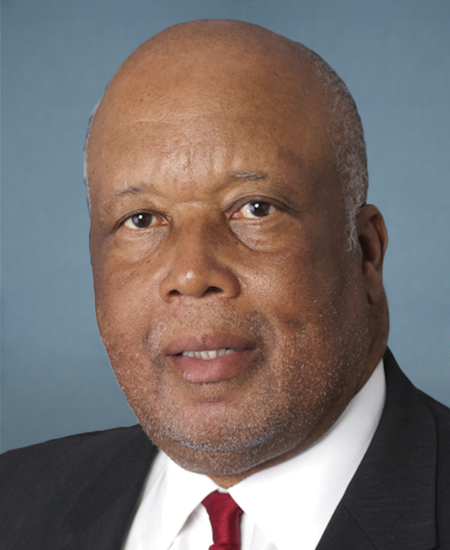
Bennie G. Thompson
63% support rate
Top opponent
Cindy Hyde-Smith
24% support rate
Ranked legislators
6
1 support · 5 oppose
Key legislators

Who's moving environment in Mississippi

Legislators moving environment in Mississippi
Legislator Party Stance Support rate Votes
Bennie G. Thompson
Bennie G. Thompson House · District 2
D
Support
63% 298
Cindy Hyde-Smith
Cindy Hyde-Smith Senate
R
Oppose
24% 234
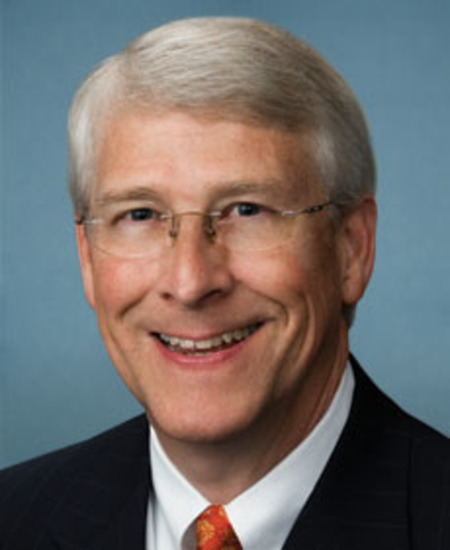
Roger F. Wicker
Roger F. Wicker Senate
R
Oppose
25% 230
Mike Ezell
Mike Ezell House · District 4
R
Oppose
30% 303
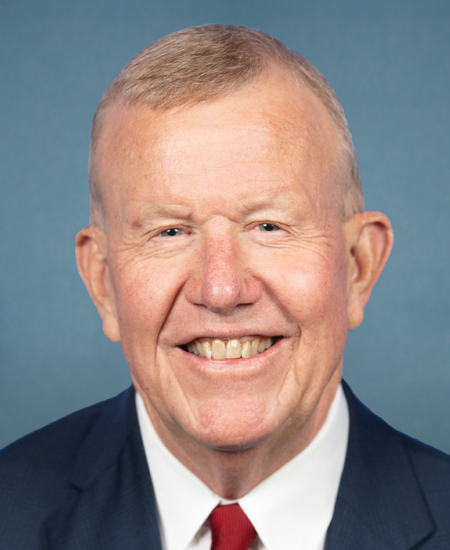
Michael Guest
Michael Guest House · District 3
R
Oppose
33% 303
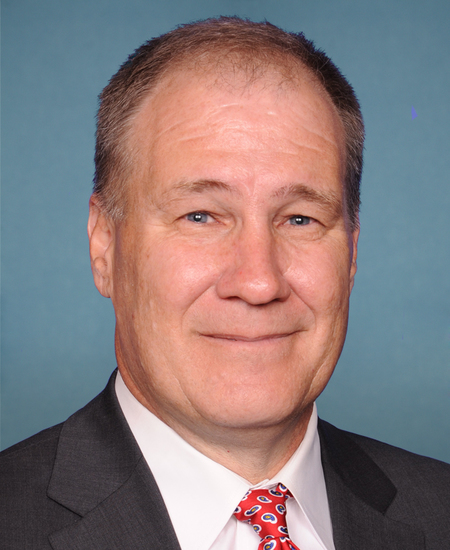
Trent Kelly
Trent Kelly House · District 1
R
Oppose
39% 303
Showing 1–10 of 37 bills

All environment bills

in committee · United States · House Aug 10, 2026

HJRES 213: Providing for congressional disapproval under chapter 8 of title 5, United States Code, of the rule issued by the Environmental Protection Agency relating to the "California State Nonroad Engine Pollution Control Standards; Commercial Harbor Craft Regulations; Notice of Decision".

This joint resolution seeks to overturn a specific Environmental Protection Agency rule that granted California the authority to enforce its own nonroad engine pollution standards for commercial harbor craft. If enacted, the bill would render the EPA’s decision invalid and prevent it from taking effect. The measure directly affects California by removing its ability to impose stricter local emissions regulations on these vessels.
in committee · United States · Senate Jul 22, 2026

S 5092: RAAM Act

The RAAM Act repeals federal fuel economy standards for cars and light trucks starting with the 2029 model year, removing the requirement for manufacturers to meet specific mileage targets. It also prevents states from creating their own fuel economy rules, reserving this authority exclusively to the federal government. Additionally, the bill updates legal definitions to clarify how vehicles are classified and modifies the process for challenging federal regulations in court. These changes directly affect automobile manufacturers, state governments, and consumers by eliminating federal mileage mandates and blocking state-level fuel economy laws.
Sub-Topics Electric Vehicles
in committee · United States · Senate Jun 24, 2026

S 4944: American Energy and Mineral Infrastructure Act of 2026

The American Energy and Mineral Infrastructure Act of 2026 streamlines the permitting process for natural gas pipelines and other energy projects by designating the Federal Energy Regulatory Commission as the sole lead agency for environmental reviews and establishing strict deadlines for federal and state agencies to complete their portions of the review. The bill also modifies water quality laws to reduce the number of required certifications for discharges into navigable waters, extends the validity of certain nationwide permits for dredged or fill material from five to ten years, and creates a new fund to address abandoned hardrock mines. Additionally, the legislation updates the National Environmental Policy Act to limit the scope of environmental reviews to effects directly caused by a project, impose specific timelines for agency decisions, and restrict the ability of courts to issue injunctions that would halt construction while legal challenges are pending.
in committee · United States · Senate Jun 17, 2026

S 4805: Save Our Shrimpers Act

The Save Our Shrimpers Act directs the U.S. Treasury to instruct American representatives at international financial institutions to vote against funding projects related to shrimp farming, processing, or export in borrowing countries. This restriction includes a waiver provision that allows the Treasury Secretary to override the vote if they determine the project serves the national interest, with the requirement to notify Congress. The mandate to oppose such financial assistance is set to expire seven years after the bill is enacted.
in committee · United States · House Jun 25, 2026

HR 9453: End EPA Abuse Act of 2026

The End EPA Abuse Act of 2026 amends the Clean Air Act to limit the Environmental Protection Agency's authority to create new regulations. Specifically, it prohibits the EPA Administrator from issuing rules that restrict the sale or use of internal combustion engine vehicles, force power plants to switch fuel sources, or reduce the reliability of the electric grid. The bill also bars the agency from mandating technologies that are commercially unavailable, too expensive without subsidies, or technically unfeasible due to geographic or infrastructure limitations. Additionally, the law prevents the EPA from expanding its regulatory power beyond what Congress originally intended. These changes directly affect the EPA's ability to enforce environmental standards and impact industries such as automotive manufacturing and energy production.
in committee · United States · House Apr 16, 2026

HR 8330: Stop Climate Shakedowns Act of 2026

The Stop Climate Shakedowns Act of 2026 prohibits state and local governments from suing energy companies for damages related to climate change or greenhouse gas emissions. This bill declares that regulating emissions is exclusively a federal responsibility and voids any state laws that hold energy businesses liable for alleged climate harms. Consequently, all pending lawsuits of this nature against energy producers must be dismissed immediately, preventing states from imposing retroactive penalties for past lawful operations. The legislation directly affects companies involved in the production, refinement, and sale of oil, gas, and coal by shielding them from civil liability in both state and federal courts.
in committee · United States · House Jun 3, 2026

HR 8542: Offshore Parity Act of 2026

The Offshore Parity Act of 2026 grants the states of Louisiana, Mississippi, and Alabama greater control over offshore resources by expanding their jurisdiction to three marine leagues in the Gulf of Mexico. Under this bill, the Secretary of the Interior would delegate authority to these states to manage oil, gas, and other energy activities on the newly included lands, provided the states demonstrate they have the resources and administrative capacity to do so. The legislation also allows these states to set their own rental rates and royalties for new leases while retaining federal oversight for endangered species and national security matters. Additionally, the act extends state management powers to fisheries in the same expanded area, enabling local oversight of fishing resources within these new boundaries.
Sub-Topics Oil & Gas Wildlife
in committee · United States · House Mar 25, 2026

HR 8079: Diesel Truck Liberation Act of 2026

This bill would prohibit federal laws from requiring manufacturers to install emissions control devices or onboard diagnostic systems on diesel trucks and other motor vehicles. It removes the Environmental Protection Agency's authority to enforce existing emissions regulations and eliminates liability for anyone who manufactures, sells, or modifies vehicles without these devices. The legislation also repeals current federal regulations related to emissions controls and would erase criminal or civil penalties for past violations of these rules.
in committee · United States · House Jan 16, 2025

HR 470: Red Snapper Act of 2025

HR 470, the Red Snapper Act of 2025, blocks the U.S. Secretary of Commerce from implementing area or bottom closures in the South Atlantic for snapper-grouper fisheries until two conditions are met: the completion of the South Atlantic Great Red Snapper Count survey and integration of its data into the next official stock assessment. This directly affects recreational and commercial fishermen in the South Atlantic region, particularly in Florida, where red snapper fishing supports significant economic activity ($14 billion annually). The bill aims to delay management changes pending new scientific data to avoid potential economic harm during a period of record fish stock abundance. It does not alter fishing seasons or quotas but specifically targets the timing of area closure decisions.
Sub-Topics Conservation
in committee · United States · House Feb 26, 2025

HJRES 62: Providing for congressional disapproval under chapter 8 of title 5, United States Code, of the rule submitted by the Bureau of Ocean Energy Management relating to "Protection of Marine Archaeological Resources".

H.J. Res. 62 is a congressional disapproval resolution targeting a rule issued by the Bureau of Ocean Energy Management (BOEM) concerning the protection of marine archaeological resources. If passed, it would nullify the rule (published in the Federal Register on September 3, 2024) and prevent it from taking effect, halting its implementation. This resolution directly affects the enforcement of BOEM’s protections for underwater archaeological sites, such as shipwrecks or ancient artifacts, by removing the regulatory framework governing activities in those areas. The mechanism relies on Chapter 8 of Title 5, U.S. Code, which allows Congress to block federal agency rules through formal disapproval.
Showing 1 to 10 of 37 bills
1 2 3 4 Next