

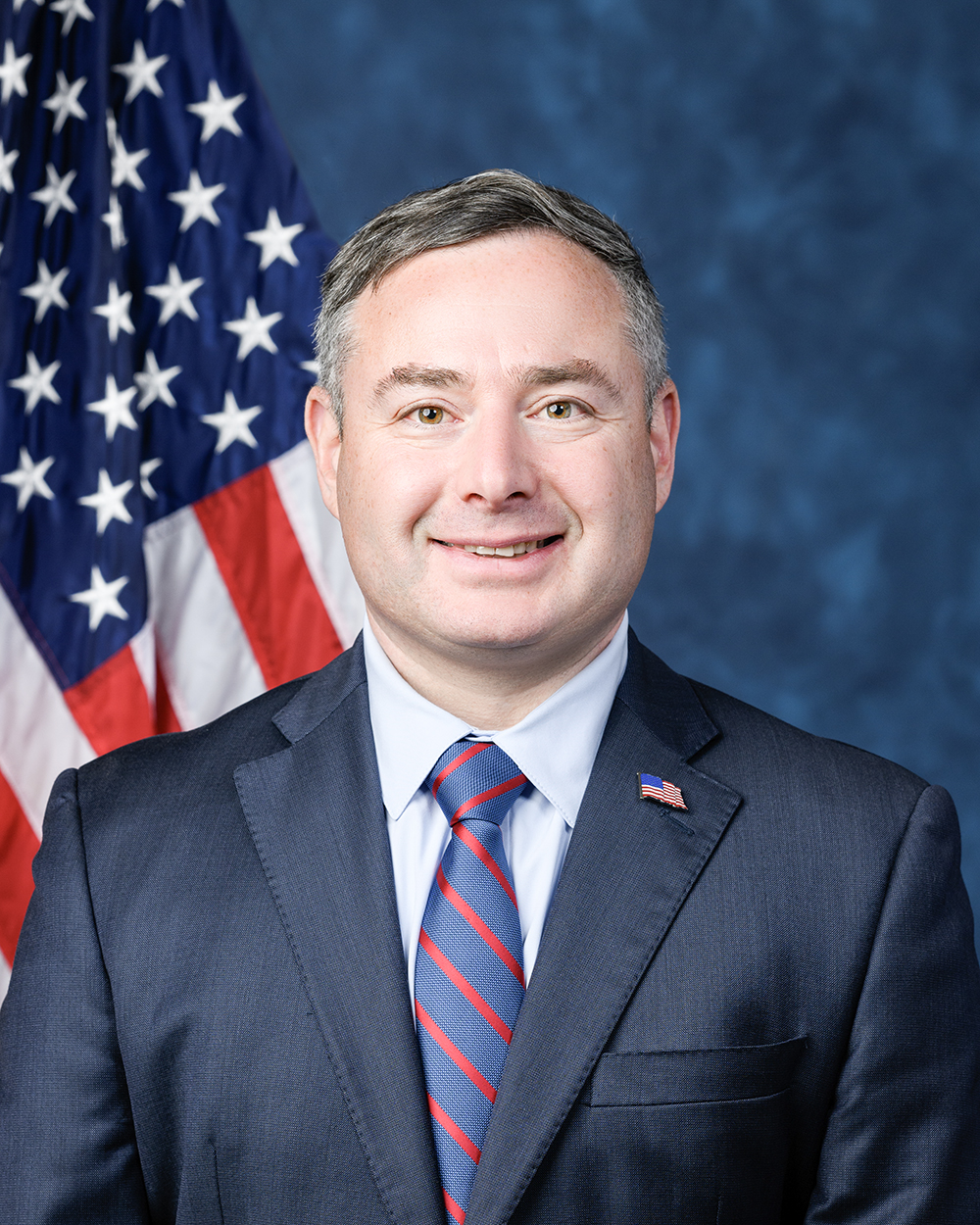
Photo of Eugene Simon Vindman
D United States House · District 7 · Virginia On the 2026 ballot

Rep. Eugene Simon Vindman

Compare
Total votes
650
all sessions
Attendance
99%
5 missed
Higher than 80% of chamber peers
With party
91%
of cast votes
Lower than 93% of chamber peers
Bipartisan score
5%
crosses aisle rarely
Higher than 92% of chamber peers
Sponsored
1,089
bills & resolutions
Higher than 98% of chamber peers
Committees
6
assignments
1,089 bills and resolutions

Sponsored bills

Total
1,089
Primary
69
Co-sponsor
1,020
This page
1,089
matching current filters
Co-sponsor HCONRES 114
In committee · Minnesota House · Co-sponsor
Recognizing the significance of equal pay and the disparity in wages paid to men and to Black women.

Maddy summaryThis concurrent resolution formally recognizes the persistent wage gap between Black women and white, non-Hispanic men in the United States. It highlights data showing that Black women earn significantly less than their male counterparts and reaffirms Congress's support for existing laws that prohibit pay discrimination based on sex or race. The document does not create new laws or change policy but serves as a symbolic statement to raise awareness about the economic disparities faced by Black women.

In committee Jul 21, 2026 1 co-sponsor
Co-sponsor HR 9801
In committee · Minnesota House · Co-sponsor
ABLE MATCH (Making Able a Tool to Combat Hardship) Act

Maddy summaryThis bill, known as the ABLE MATCH Act, aims to help individuals with disabilities save money by providing a federal tax credit that is automatically deposited into their ABLE savings accounts. The program targets low-income earners by offering a 100% match on up to $2,000 of annual contributions, provided their income falls below 200% of the federal poverty limit, with the credit amount gradually decreasing for higher incomes. To support wider adoption, the legislation also authorizes the Treasury to award $5 million annually in grants to states for promoting these accounts and includes a requirement for collecting demographic data on account holders. These changes are designed to increase financial security for people with disabilities by encouraging savings without jeopardizing their eligibility for other government benefits.

In committee Jul 21, 2026 1 co-sponsor
Co-sponsor HR 9339
In committee · Minnesota House · Co-sponsor
Affordable Innovation for the Grid Act

Maddy summaryThe Affordable Innovation for the Grid Act directs the Department of Energy to study how artificial intelligence and high-performance computing can improve the reliability and efficiency of the national power grid. This assessment will specifically examine how these technologies can speed up the process of connecting new power sources to the grid and identify any technical or cybersecurity barriers to their use. Within one year of passing, the Department of Energy must submit a report to Congress outlining its findings and offering recommendations to overcome identified limitations and encourage wider adoption of these tools. The bill primarily affects federal agencies responsible for energy oversight and the electric power industry, aiming to gather data rather than immediately changing laws.

In committee Jul 21, 2026 1 co-sponsor
Co-sponsor HR 9335
In committee · Minnesota House · Co-sponsor
Advanced Transmission Technology to Reduce Rates Act

Maddy summaryThe Advanced Transmission Technology to Reduce Rates Act directs the Department of Energy to create a public clearinghouse that lists projects, funding options, and analyses regarding advanced transmission technologies. This resource is designed to assist electric utilities, transmission organizations, and state regulators in planning deployments and understanding the potential impacts on grid efficiency and costs. Additionally, the bill allows certain funding actions for these technologies to be exempt from standard environmental review requirements and requires the Department to establish best practices for reducing wildfire risks from power lines. Crucially, the legislation explicitly states that these measures are informational and do not grant the government authority to force utilities to adopt specific technologies or follow the new wildfire safety guidelines.

In committee Jul 21, 2026 1 co-sponsor
Co-sponsor HR 9332
In committee · Minnesota House · Co-sponsor
Load Forecasting Enhancement Act

Maddy summaryThe Load Forecasting Enhancement Act requires the Federal Energy Regulatory Commission to create regional joint boards made up of state commission representatives and a commission member to study how electric utilities predict energy demand. These boards will investigate methods to improve the accuracy and transparency of these forecasts to ensure reliable and affordable electricity service, then report their findings to Congress within a year. Once the report is submitted, the law mandates that state regulators incorporate these recommended forecasting standards into their oversight of electric utilities, while exempting nonregulated utilities from certain requirements. Additionally, the bill updates existing energy laws to include procedures for improving the accuracy and transparency of load forecasting in state energy conservation plans.

In committee Jul 21, 2026 1 co-sponsor
Co-sponsor HR 8981
In committee · Minnesota House · Co-sponsor
SCALE Biology Act

Maddy summaryThe SCALE Biology Act directs the National Institute of Standards and Technology to create a new biometrology laboratory program focused on engineering biology and biomanufacturing. This initiative aims to improve the accuracy and reliability of biological data while developing technical standards, safety guidelines, and measurement tools to support industry innovation and national security. The bill authorizes funding over several years to establish research facilities, train experts, and collaborate with universities and private companies to advance the field. Additionally, the legislation updates existing definitions related to biotechnology and biosafety to ensure clarity across federal programs.

In committee Jul 21, 2026 1 co-sponsor
Co-sponsor HR 7970
In committee · Minnesota House · Co-sponsor
STOP Nitazenes Act

Maddy summaryThis bill, known as the STOP Nitazenes Act, directs the federal government to permanently classify nitazenes and related synthetic opioids as Schedule I controlled substances, placing them in the same legal category as heroin and fentanyl. The legislation specifically targets a broad range of chemical compounds, including etonitazene and other variants, by defining them as 2-benzylbenzimidazole opioids and requiring the Attorney General to publish a list of qualifying substances. Under the bill, any nitazene substance temporarily scheduled under emergency provisions would be made permanently scheduled upon enactment, ensuring long-term federal control. The law also mandates that the Attorney General issue implementing rules within one year, allowing for immediate interim enforcement while providing opportunities for public comment before final regulations are established.

In committee Jul 21, 2026 1 co-sponsor
Co-sponsor HR 6529
In committee · Minnesota House · Co-sponsor
Protecting Families from AI Data Center Energy Costs Act

Maddy summaryHR 6529, the Protecting Families from AI Data Center Energy Costs Act, mandates the Federal Energy Regulatory Commission (FERC) to hold a technical conference within 90 days of enactment. The conference will include AI data centers, utilities, and ratepayer advocates to develop strategies protecting residential and small commercial customers from rising energy costs caused by large energy users. FERC must then submit a report with recommendations to Congress within 180 days. This procedural bill directly affects households and small businesses facing potential rate increases due to AI data center energy demands.

In committee Jul 21, 2026 1 co-sponsor
Co-sponsor HR 6238
Passed · Minnesota House · Co-sponsor
NIH IMPROVE Act

Maddy summaryThe NIH IMPROVE Act (HR 6238) establishes a new NIH research initiative focused on improving maternal health outcomes in the U.S. It directly affects pregnant and postpartum women, particularly those in communities experiencing health disparities linked to higher maternal mortality and severe maternal morbidity. The bill authorizes $73.4 million annually (2026-2031) for NIH to fund research targeting preventable causes of maternal deaths, reduce health disparities, and evaluate community-based interventions. Key provisions require NIH to advance evidence-based solutions through grants and studies on biological, behavioral, and regional factors affecting maternal health before, during, and after pregnancy.

Passed Jul 21, 2026 1 co-sponsor
Co-sponsor HR 5160
Passed · Minnesota House · Co-sponsor
Stem Cell Therapeutic and Research Reauthorization Act of 2025

Maddy summaryThis bill reauthorizes funding for the C.W. Bill Young Cell Transplantation Program, setting $31 million for fiscal year 2025 and $33 million annually for fiscal years 2027-2031. It also extends the deadline for the national cord blood inventory program from 2026 to 2031. The legislation directly affects stem cell research programs and cord blood banks by maintaining federal funding levels and prolonging the inventory program’s timeline. These provisions ensure continuity for existing research infrastructure and blood bank operations without introducing new policy changes.

Passed Jul 21, 2026 1 co-sponsor
Showing 41 to 50 of 1,089 bills
Previous 1 4 5 6 109 Next