

Maddy summarySF 2113 provides $5 million for fiscal year 2026 and $5 million for fiscal year 2027 from the arts and cultural heritage fund to the Minnesota Public Television Association. These funds are designated for production and acquisition grants to support public television content creation and programming, as specified in Minnesota Statutes section 129D.18. The bill directly affects Minnesota Public Television Association services by ensuring dedicated funding for their programming operations. This is a two-year funding commitment without altering existing legal requirements.
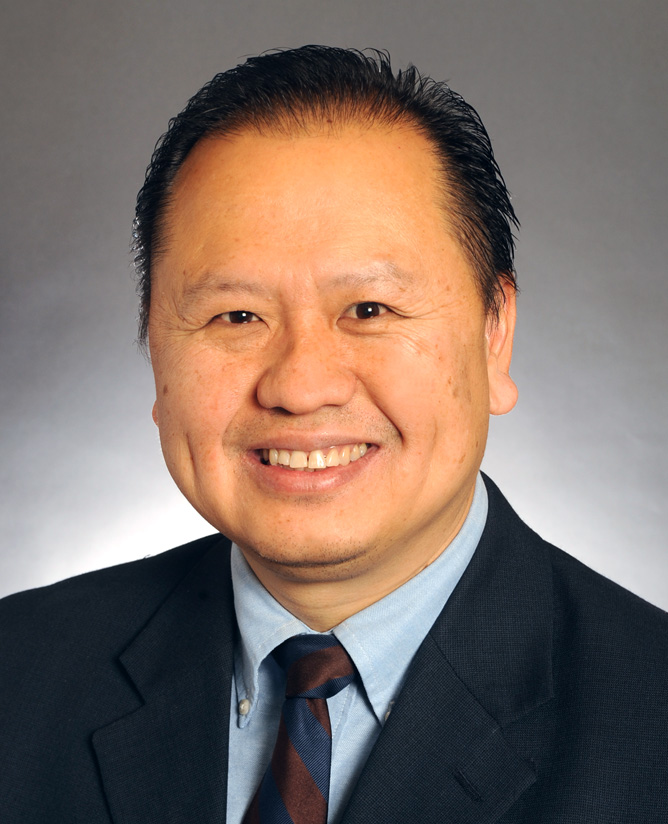
Sen. Foung Hawj
Sponsored bills
Maddy summaryThis bill requires Minnesota local governments to protect sand, gravel, and stone resources in land use planning by incorporating safeguards for these materials into zoning and comprehensive plans. It mandates the Natural Resources Commissioner to develop permitting recommendations by 2026 to balance resource protection with responsible mining site reclamation. The bill appropriates $950,000 for mapping additional county aggregate resources (beyond the metro area) and $250,000 to update the state’s aggregate inventory, including projected depletion timelines. These provisions directly affect county/municipal planners, mining operations, and developers by shaping how land use decisions address critical natural resource availability.
Maddy summarySF 2964 appropriates $3 million from the state general fund to PROCEED, a nonprofit organization, for a new community center on St. Paul's east side. The funding covers designing, building, furnishing, and equipping the center to support youth after-school programs, college preparation, and a health clinic. This one-time grant directly benefits St. Paul residents, especially youth and families, by expanding access to community services. The bill is a straightforward funding allocation with no new legal requirements.
Maddy summaryThis bill appropriates $18 million in bond proceeds to fund reforestation and forest management on Minnesota's state forest lands. The funds will cover purchasing native seeds and seedlings, planting, site preparation, and protecting state forests, with $8 million specifically allocated for forest stand improvement and managing pests like emerald ash borer and spruce budworm. The state will sell $18 million in bonds to finance these projects, following established bond issuance procedures under Minnesota law. The commissioner of natural resources will administer the funding and projects directly affecting state forest management operations.
Maddy summaryThis bill authorizes the state to issue up to $6.5 million in bonds to fund a new National Loon Center in Crosslake, Minnesota. The funds will be granted to the city of Crosslake to construct a building and outdoor public spaces - including visitor facilities, educational exhibits, and parking - for the center. The money comes from the state's bond proceeds fund, not new taxes, and the project must comply with Minnesota's bond issuance laws. The center will serve as a public education and visitor facility focused on loon conservation.
Maddy summaryThis bill appropriates $200,000 for fiscal year 2026 and $200,000 for fiscal year 2027 from the arts and cultural heritage fund to support Oromo youth programs. The funds will be granted to HIRPHA International for youth initiatives in the metropolitan area that celebrate Oromo cultural heritage and arts. The legislation directly affects Oromo youth in the Minneapolis-St. Paul metro area by providing funding for culturally specific programs. It establishes a concrete funding mechanism through the commissioner of administration without altering existing laws or creating new obligations.
Maddy summaryThis bill expands Minnesota state universities' authority to offer applied doctoral degrees in specific professional fields. It directly affects state universities (like Minnesota State universities) and students seeking doctoral-level education in high-demand workforce areas. Key provisions add cybersecurity, artificial intelligence, and other emerging fields to the list of approved programs, alongside existing fields like nursing and business. The Board of Trustees may also designate additional areas as needed to address workforce needs. The change modifies Minnesota Statutes section 135A.052, updating the mission statement for state universities.
Maddy summaryThis bill appropriates $150,000 from the arts and cultural heritage fund for fiscal year 2026 to support youth boxing programs. The funds will be granted by the Minnesota Humanities Center to SIR Boxing, a nonprofit organization, to preserve Minnesota's boxing culture through youth initiatives. The bill directly affects SIR Boxing and youth participants in its boxing programs, providing dedicated funding for program operations. It does not create new policies but allocates existing state funds for a specific cultural preservation purpose.
Maddy summaryThis bill appropriates $500,000 from the arts and cultural heritage fund for cultural upgrades at Battle Creek Recreation Center in Ramsey County. The funds will be administered by the Minnesota Humanities Center to improve the center's facilities, specifically to better accommodate diverse cultural activities. The bill directly affects Ramsey County and the Battle Creek Recreation Center, providing funding for physical infrastructure changes. It does not create new regulations or programs but allocates existing state funds for a specific facility upgrade. The focus is on enhancing the center's ability to host culturally diverse events and programming.
Maddy summarySF 2866 requires Minnesota's Clean Water Council to break down its annual recommendations for spending Clean Water Fund money by individual fiscal year (not just the two-year biennium), instead of presenting them as a single lump sum. This change applies when the Council submits its report to the legislature by January 15 each odd-numbered year, as specified in Minnesota Statutes § 114D.30, subdivision 7. The bill mandates that these recommendations include specific legislative bill language for each fiscal year. This directly affects the Clean Water Council's reporting process and provides greater transparency in how funds will be allocated year-by-year. The amendment updates the existing reporting requirement under current law.