

Maddy summarySF 1275 adjusts how Minnesota school districts receive additional funding for extended educational programming. It links the "extended time allowance" to annual increases in the general education basic formula, meaning districts get more funding each year based on the growth rate of core education funding. This directly affects school districts serving students in day treatment programs or children's residential facilities (like psychiatric care centers), as it calculates their extended time revenue using a formula based on pupil units and instructional hours. The bill also specifies that this funding must be used for approved extended programs like summer school, vacation academies, or extended day/week initiatives, effective for fiscal year 2026 and beyond.
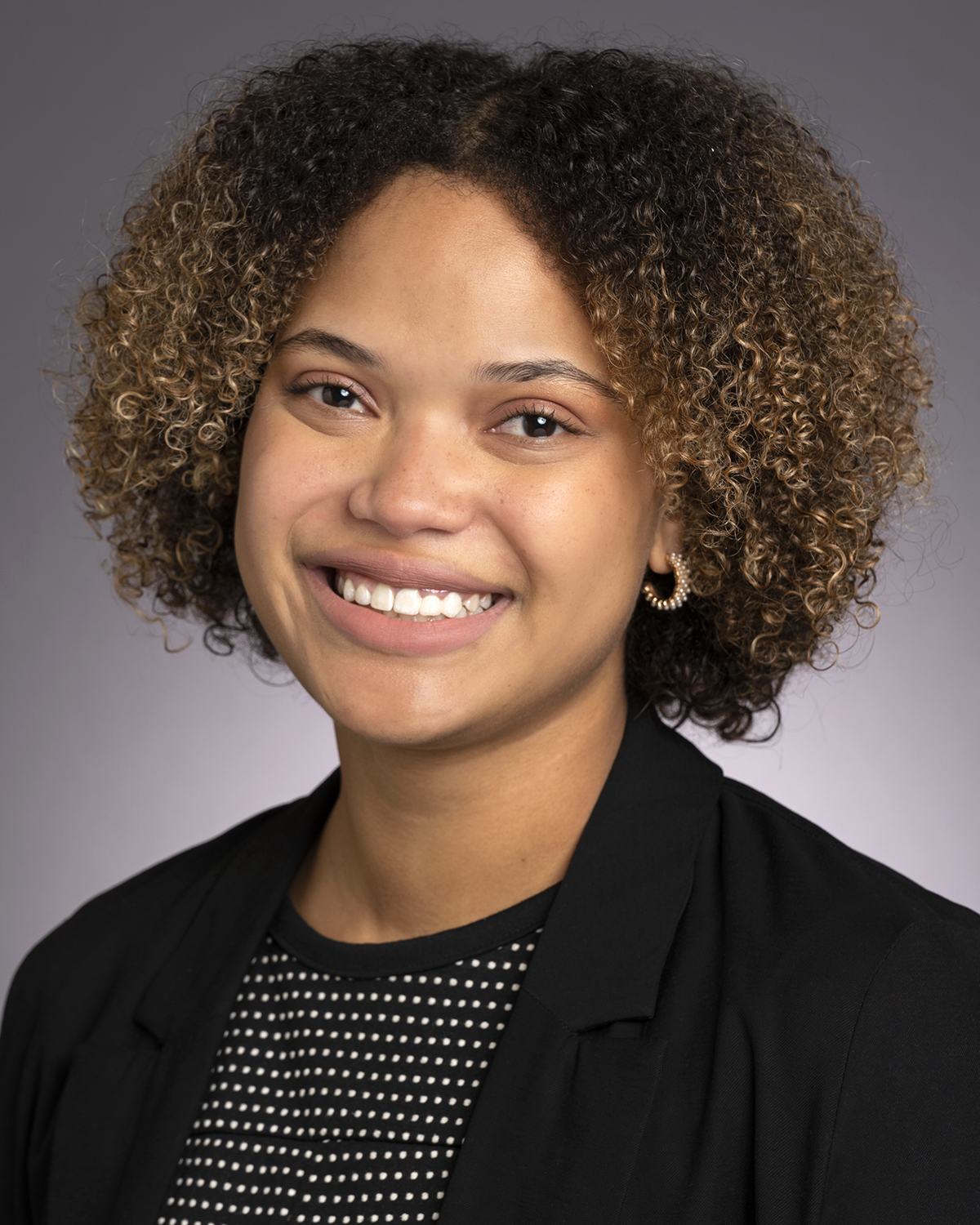
Sen. Clare Oumou Verbeten
Sponsored bills
Maddy summarySF 1151 appropriates $400,000 from the state's general fund for a grant to FilmNorth, a nonprofit organization focused on Minnesota's film industry. The grant will fund statewide plans, programs, and resources to support film industry growth through career-connected learning, workforce development, and business development. It specifically emphasizes improving access and support for people from marginalized and rural communities. The funding is allocated for the 2026 fiscal year.
Maddy summaryThis bill requires Minnesota's state licensing boards to use plain language in the written portions of professional licensing exams by February 2026. It mandates that exam questions be written using clear, simple language - like short sentences, active voice, common words, and direct address ("you") - to ensure exams fairly test applicants' knowledge rather than reading comprehension. The law directly affects license applicants (e.g., for nursing, engineering, or cosmetology) and state licensing boards, which must implement these standards and submit a compliance report by February 2027. The goal is to make licensing exams more accessible and reduce barriers for applicants.
Maddy summaryThis bill appropriates $2.5 million for fiscal year 2026 and $2.5 million for fiscal year 2027 from the general fund to Ujamaa Place, a workforce development organization. The funds will support job training, employment preparation, internships, education, vocational housing, and organizational capacity building specifically for African American men. The appropriation directly affects Ujamaa Place as the recipient and the targeted community of African American men seeking workforce development services. The bill establishes a concrete funding mechanism for these services without altering existing laws or creating new requirements.
Maddy summaryThis bill appropriates $500,000 from the general fund for fiscal year 2026 to the Ramsey County Historical Society. The funds will support design, renovation, construction, and equipment for improvements at Gibbs Farm Museum, which focuses on early Minnesota agriculture history and the relationship between the Dakota people (Heyata Othunwe) and the Gibbs family. The project directly affects the museum's facilities and its ability to present this historical narrative. The bill does not change laws but provides specific funding for physical upgrades to the site.
Maddy summarySF 931 establishes the Minnesota Health Plan, a state-run program guaranteeing health coverage for all Minnesota residents. It requires the plan to cover all necessary medical, dental, vision, mental health, and prescription services without co-pays, with premiums based on income. The bill creates a Minnesota Health Board to manage the plan, a Health Fund for financing, and new oversight roles like a patient advocate ombudsman. All residents automatically qualify, with specific rules for temporary out-of-state residents, visitors, and nonresident workers.
Maddy summaryThis bill modifies Minnesota's unemployment insurance rules for workers involved in labor disputes. It changes the eligibility timeline: workers participating in a dispute lose benefits until the dispute ends, while non-participants lose benefits until the dispute begins. Exceptions include cases where workers quit due to safety violations, lockouts, or being discharged before a dispute starts. The bill directly affects Minnesota workers who stop working because of workplace labor conflicts. It does not change the core definition of "labor dispute" but clarifies eligibility periods and adds specific exemptions.
Maddy summarySF 1150 appropriates $6 million from the general fund for a one-time grant to FilmNorth, a nonprofit organization, to renovate property at 2447 University Avenue West in St. Paul. The funds will create a multiuse facility including a film industry workforce training center, a public archive for Minnesota-made films, a soundstage, community events space, and affordable office space for low-income artists. This grant directly affects FilmNorth as the recipient and Minnesota media artists who will use the facility's training, workspace, and public archive resources. The appropriation is available until the project is completed or abandoned, as specified in Minnesota Statutes section 16A.642.
Maddy summaryMinnesota Senate File 913 designates July 6 as "Philando Castile Restoration Day" and July 7 as "Philando Castile Unity Day" each year. Restoration Day focuses on building community connections through humility and listening, while Unity Day honors Castile's legacy and all victims of police violence. The bill requires the governor to issue annual proclamations recognizing both days. It directly affects state government operations by creating these designated observances to commemorate Castile, a Saint Paul Public Schools nutrition supervisor killed by police in 2016.
Maddy summarySF 914 allocates funding to Minnesota's State Board of Civil Legal Aid for legal services programs serving low-income residents. It appropriates $43 million for fiscal year 2026 and $55 million for fiscal year 2027 from the general fund, with future base amounts set at $69 million for 2028 and $84 million for 2029. The funds will be distributed to legal aid organizations under existing law (Minnesota Statutes § 480.242) to support civil legal assistance. This bill directly affects nonprofit legal aid providers across Minnesota that help vulnerable populations with housing, family law, and other civil matters. The measure focuses solely on funding levels without altering program eligibility or service requirements.