

Maddy summaryThis bill would require Minnesota criminal justice officials (including courts, prosecutors, and jails) to collect standardized data on every criminal case, such as defendant demographics (race, age, language), charge details, bail conditions, case outcomes, and sentencing. The collected information would be sent to the Bureau of Criminal Apprehension and the Sentencing Guidelines Commission for annual analysis. The commission would then create a public dashboard displaying this data to increase transparency about how the criminal justice system operates. The bill aims to provide clear, accessible information on case processing without specifying how the data should be used or interpreted. It is currently a proposed bill (introduced February 2025) and not yet law.
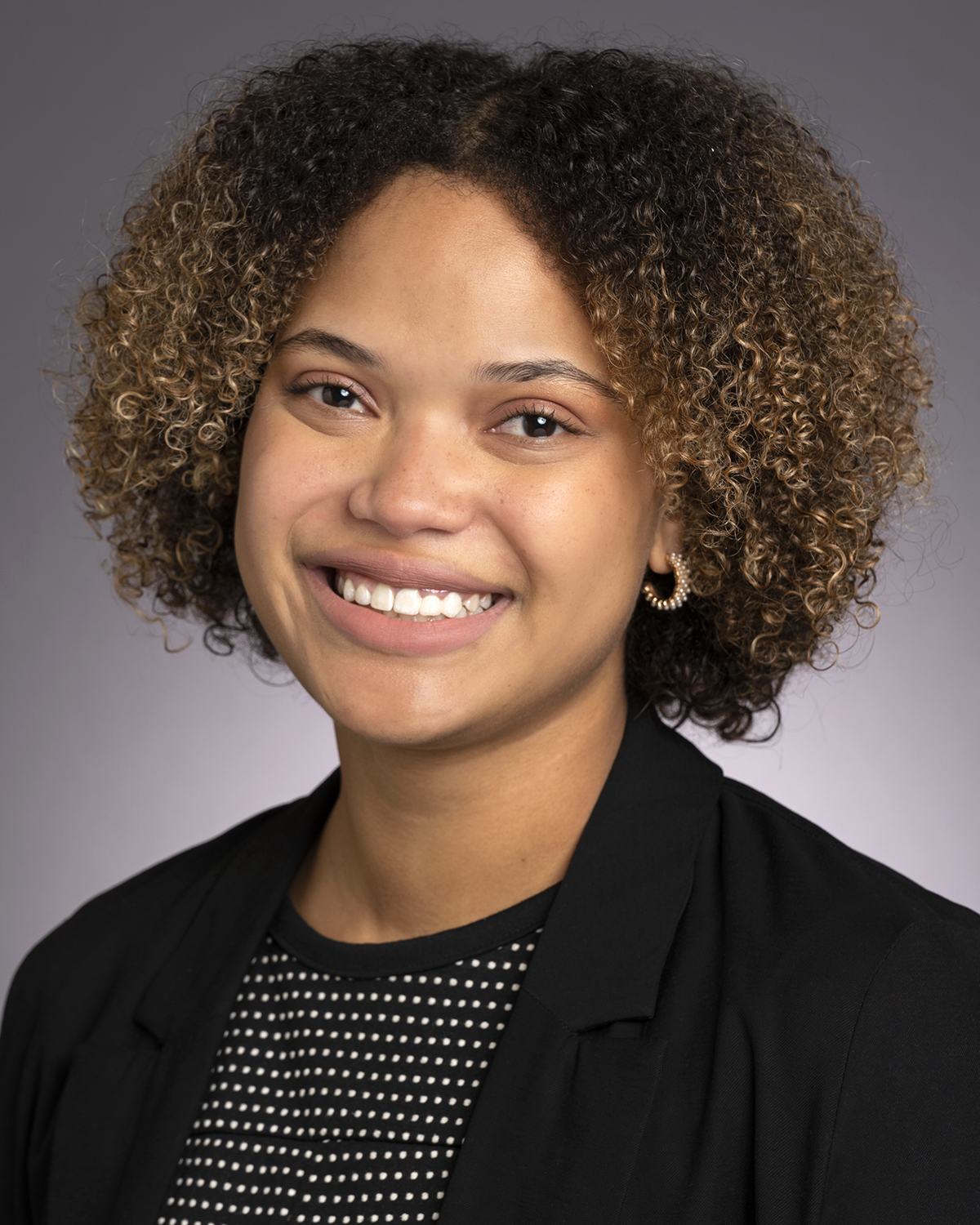
Sen. Clare Oumou Verbeten
Sponsored bills
Maddy summaryThis bill appropriates $2 million from the general fund for fiscal year 2026 to grant to 30,000 Feet, a nonprofit organization, to design, construct, and equip a Black Arts and Tech Center in St. Paul. The center will include facilities like an outdoor performance space, art rooms, and dance spaces, specifically to provide tech training and programming for youth living in poverty. The funding is in addition to prior appropriations and remains available until project completion or abandonment. This directly supports 30,000 Feet in expanding its facilities and services for underserved youth in St. Paul.
Maddy summaryThis bill modifies Minnesota's intensive comprehensive law enforcement education and training program for peace officer candidates. It requires the commissioner to develop a standardized 8-month training curriculum by December 2026, which must cover licensing requirements and can build on existing programs. The bill designates at least two state college campuses (and allows private nonprofits or University of Minnesota campuses) to deliver this training. It appropriates $5 million from the general fund for this program through 2029. The changes directly affect individuals seeking peace officer licensure in Minnesota.
Maddy summarySF 1905 modifies Minnesota's controlled substances laws to clarify that the weight of fluid used in water pipes is not counted when determining possession charges for drugs like cocaine, methamphetamine, or fentanyl. This change directly affects individuals using water pipes to consume these substances, as it prevents minor amounts of fluid from triggering higher-level felony charges based on weight. The bill specifies that fluid weight exclusion applies unless the mixture contains four or more fluid ounces of fluid, in which case the fluid weight would count toward the threshold. This provision aims to align legal penalties with actual drug content rather than incidental fluid volume.
Maddy summaryThis bill increases Minnesota's minimum wage to $15.00 per hour starting August 1, 2025, with incremental rises to $20.00 per hour by August 1, 2029. It establishes an automatic annual adjustment for the minimum wage beginning January 1, 2030, tied to national inflation data (capped at 5% annually). The bill also maintains a lower starting wage for employees under 20 years old during their first 90 days of employment. These changes apply to all employers in Minnesota subject to state minimum wage requirements.
Maddy summarySF 1607 appropriates $10 million for fiscal year 2026 and $10 million for 2027 to fund University of Minnesota health initiatives targeting underserved communities. The bill directs these funds to expand existing programs like the Community-University Health Care Center, Mobile Health Initiative, and a new One Health Clinic pilot, which integrates human, animal, and environmental health care. It also requires the university to incorporate health equity curriculum into health science programs and increase student clinical training opportunities in underserved areas. This funding directly supports the University of Minnesota’s efforts to improve access to care in communities with limited health resources. The bill affects UMN’s operations, underserved Minnesotans seeking care, and health science students gaining practical experience.
Maddy summarySF 1610 modifies Minnesota's community-based first-generation homebuyers down payment assistance program. It provides up to $32,000 as a no-interest, forgivable loan (20% forgiven annually over five years) to eligible first-time homebuyers who never owned a home or lost one to foreclosure, with income at or below 100% of the area median. The loan covers down payments or closing costs and must pair with a conforming mortgage, requiring completion of homebuyer education. The bill updates the program's funding structure, sets a future maximum based on median home prices (starting in 2027), and mandates annual reporting by the administrator (MMCDC) on loan details and demographic data.
Maddy summarySF 377 prohibits Minnesota public and private colleges and universities from giving preferential treatment in admissions based on a student's "legacy status" (family connection to an alumnus) or a family's relationship to donors. The bill directly affects all higher education institutions in Minnesota, including the University of Minnesota, by requiring them to stop considering these factors in admissions decisions. Key provisions define "legacy status" and explicitly ban any admissions advantage tied to familial alumni ties or donor connections. This policy change aims to make admissions processes more equitable by removing these specific preferences from consideration.
Maddy summaryThis bill appropriates $4.3 million from the general fund for a one-time grant to Phumulani Minnesota African Women Against Violence. The funds are specifically for developing culturally specific mental health services targeting African immigrant communities in Minnesota. Key uses include program development, facility maintenance, training culturally competent mental health professionals from these communities, and creating financial literacy partnerships. The appropriation is available until June 30, 2027, and must support holistic mental health programs and advocacy efforts.
Maddy summaryThis bill appropriates $3 million from the general fund to a nonprofit organization to develop a statewide pilot program training Minnesota students in global competency skills like critical thinking, collaboration, and evidence-based decision-making. The program must operate across multiple school sites, with the nonprofit required to secure at least 25% local funding match and use grant money for teacher training, curriculum, and school support. The nonprofit must submit annual reports starting June 2026 through 2029 to legislative education committees, detailing participant demographics and program effectiveness. The funds are a one-time appropriation available until June 30, 2028.