

Maddy summaryThis bill adjusts the forecasted program budgets for Minnesota's Department of Human Services and the Department of Children, Youth, and Families for fiscal years 2026 and 2027. It modifies specific funding amounts for programs like General Assistance, Minnesota Supplemental Aid, Housing Support, MinnesotaCare, and Medical Assistance by adding or subtracting money from existing appropriations. The changes are drawn from the General Fund and the Health Care Access Fund, with some programs receiving increased funding while others see adjustments. The bill directly affects state budget planning and the financial resources available to these human services agencies.
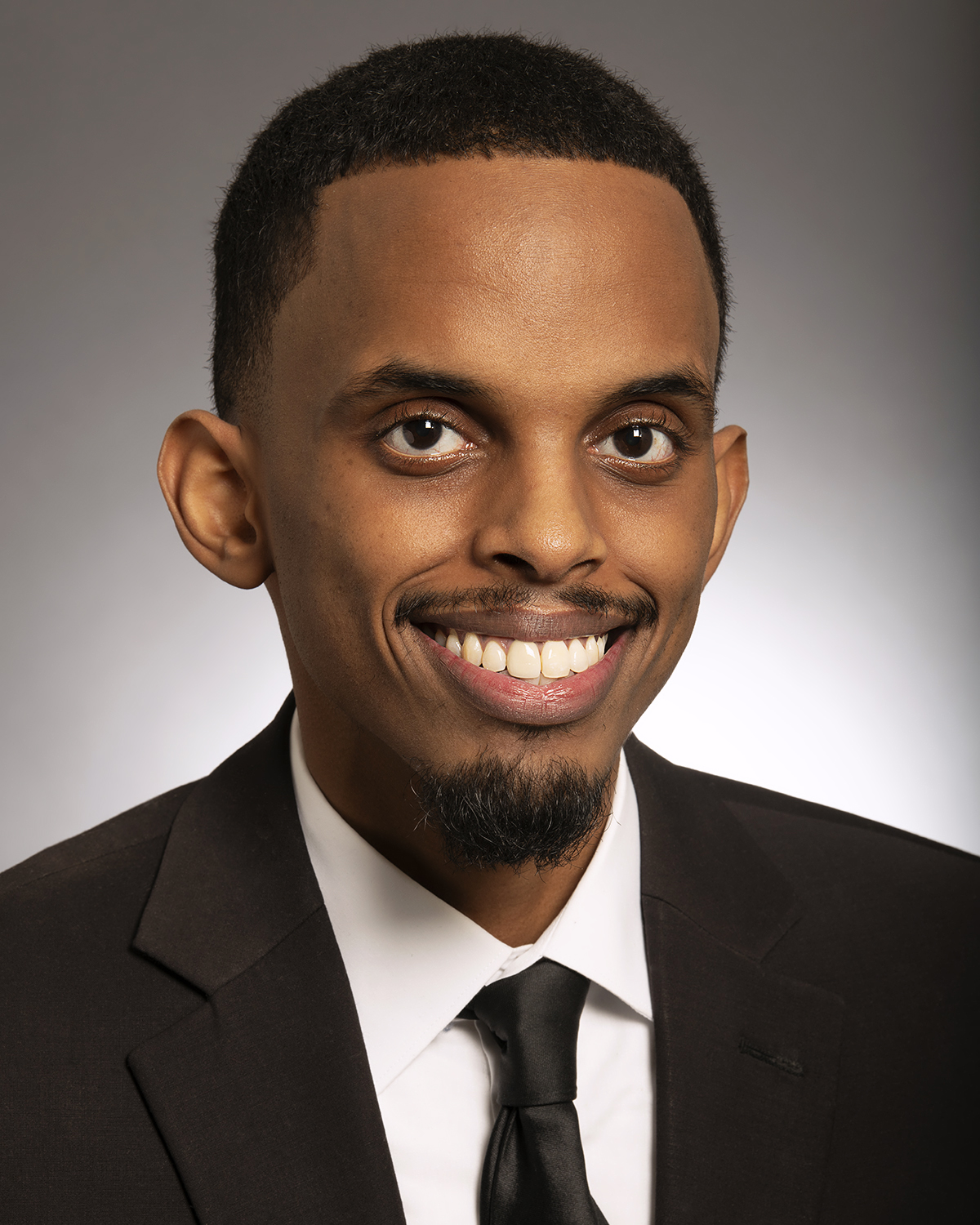
Sen. Omar Fateh
Sponsored bills
Maddy summaryThis bill modifies how Minnesota calculates financial aid eligibility by changing the percentages of parental and student contributions counted toward a student's cost of attendance. For dependent students, it sets family responsibility at 95% of parental contribution, while for independent students it sets responsibility at 71% of student contribution if they have dependents or 35% if they do not. The legislation also removes existing tuition and fee maximums that capped financial aid calculations, instead using the lesser of an institution's average tuition and fees or a new benchmark based on the highest public university rates. Additionally, it adjusts the living expense allowance to 106% of the federal poverty guideline for one person and clarifies which fees count toward financial aid eligibility.
Maddy summaryThis bill prohibits any person from placing or operating virtual currency kiosks within Minnesota, directly affecting businesses that currently offer cryptocurrency exchange services through physical kiosks. The legislation repeals existing state laws that previously regulated these kiosks, including definitions for customers and transaction limits, as well as requirements for risk disclosures and transaction procedures. By removing the legal framework that allowed such kiosks to operate, the bill effectively bans the physical presence of cryptocurrency exchange machines in the state.
Maddy summaryThis bill establishes a new state program in Minnesota that provides financial assistance to families with newborns, including both prenatal and ongoing monthly payments. The program would offer a one-time prenatal benefit of $1,500 and monthly payments of $750 for up to 24 months, with no requirements for income, assets, or employment status. Eligible recipients must be Minnesota residents with a legal relationship to a newborn born on or after January 1, 2028, and can include biological parents, adoptive parents, or legal guardians. The commissioner of employment and economic development would administer the program, which requires documentation from health care providers, adoption agencies, or other approved sources to verify eligibility and parentage.
Maddy summaryThis bill allocates $350,000 from the state's general fund in fiscal year 2027 to support a pilot program for Thrive Family Recovery Resources. The funding will enable the organization to provide peer services, education, resource navigation, and general support to families affected by substance use disorder. By January 20, 2027, the commissioner of human services must submit a report evaluating the pilot program's results and offering recommendations for potential ongoing funding. This is a one-time appropriation, meaning the money is not designated for future years unless additional legislation is passed.
Maddy summaryThis bill modifies Minnesota's Community First Services and Supports (CFSS) program to strengthen requirements for service delivery plans and provider qualifications. It directly affects participants receiving home and community-based services, their families, and the agencies and providers delivering those services. The bill mandates that service delivery plans be developed through person-centered planning, include detailed budgets, and be reviewed regularly, while also requiring providers to meet stricter standards regarding background checks, financial solvency, and direct service provision without subcontracting. Additionally, the bill clarifies that providers must pay support workers based on actual hours worked and establish clear written agreements outlining roles and responsibilities before services begin. These changes aim to improve transparency, accountability, and participant control within the CFSS program framework.
Maddy summaryThis bill establishes new requirements for air transport and contracting involving detained individuals in Minnesota. It mandates that airlines and ground service providers collect specific information about detained passengers, including medical history, legal circumstances, and contact details, using a standardized form available in multiple languages. The legislation also prohibits refueling aircraft carrying restrained individuals unless they are moved to climate-controlled areas with access to water and restrooms, and requires monthly reporting on compliance with these procedures. These rules directly affect airline companies, fixed base operators at airports, and emergency response personnel who may need access to the collected information during incidents.
Maddy summaryThis bill establishes new emissions limits and measurement requirements for municipal solid waste incinerators in Minnesota, directly affecting facilities that burn mixed municipal waste. It requires these facilities to meet federal EPA standards for pollutants like dioxin, furans, and heavy metals, with stricter limits for new facilities compared to existing ones. The legislation also mandates that operators submit plans to install continuous monitoring systems for tracking emissions of specific contaminants including carbon dioxide, mercury, and arsenic. Additionally, the bill defines operational terms such as start-up, warm-up, and shutdown periods to clarify when emission limits apply during facility operations.
Maddy summaryThis bill allocates $1.5 million from Minnesota's general fund for fiscal year 2027 to support the Somali Museum of Minnesota in building a new facility in Minneapolis. The funds are designated for designing, constructing, furnishing, and equipping the new building to preserve Somali cultural heritage, display artifacts, and provide educational programs. The appropriation is a one-time grant available until the project is completed or abandoned, subject to state financial management laws. The legislation directly affects the Somali Museum of Minnesota and the commissioner of employment and economic development, who will manage the grant distribution.
Maddy summaryThis bill limits Minnesota state and local government participation in federal civil immigration enforcement efforts, directing public resources toward local public safety priorities instead. It prohibits state agencies from using resources to investigate, detain, or arrest individuals for civil immigration violations and restricts where certain immigration-related arrests can occur. The legislation requires hospitals to create policies for interactions with law enforcement agents and ensures education cannot be denied based on immigration status. Additionally, it creates a civil cause of action for constitutional rights violations related to immigration enforcement and includes funding provisions to support these changes.