

Maddy summaryThis bill appropriates $750,000 for fiscal year 2026 and $750,000 for fiscal year 2027 from the general fund to Comunidades Organizando el Poder y la Acción Latina (COPAL). The funding supports COPAL's direct work with Latino communities through capacity building, worker center programs, youth workforce development, GED classes, health resources, job training, and career planning services. It provides a one-time grant for these specific programs rather than ongoing funding. The bill directly affects COPAL and the communities it serves in Minnesota.
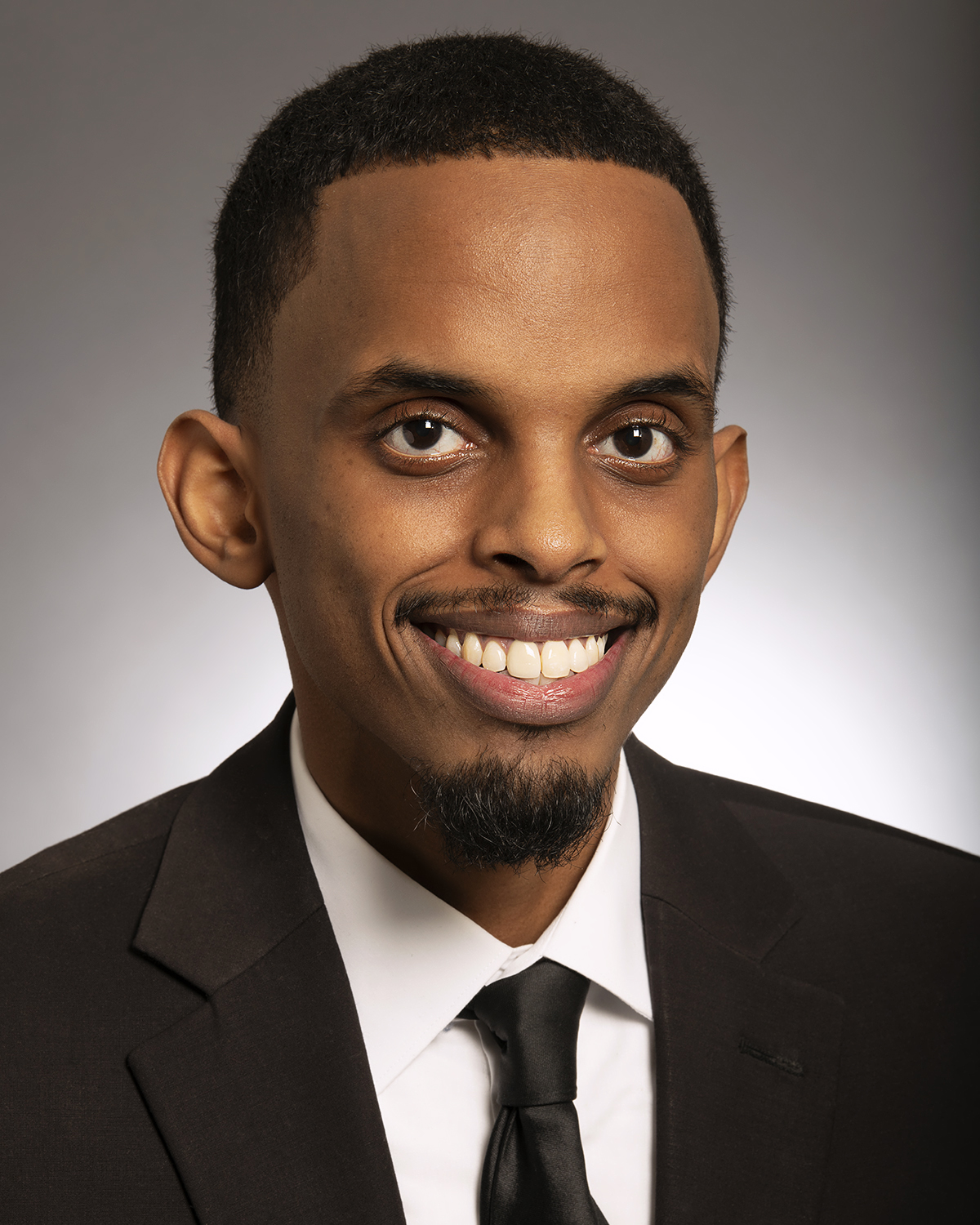
Sen. Omar Fateh
Sponsored bills
Maddy summarySF 1421 modifies Minnesota's annexation laws to create clearer rules for municipal expansion. It requires a two-year waiting period before reattempting annexation of the same area if a previous request was denied or defeated in an election. The bill also standardizes election procedures, mandating that annexation votes must be held 30-90 days after a notice is published, with ballots clearly labeled "For Annexation" or "Against Annexation." These changes directly affect municipalities seeking to annex land, property owners in proposed annexation areas, and local governments managing boundary changes.
Maddy summaryThis bill requires Minnesota's social studies academic standards to include the contributions of lesbian, gay, bisexual, transgender people, and people with disabilities in U.S. and state history. It amends Minnesota Statutes 2024, section 120B.021, subdivision 4(f), mandating that the commissioner of education must incorporate these contributions during the periodic review and revision of social studies standards. This change applies to all public school students in Minnesota, as the standards guide curriculum development. The requirement is part of the standard ten-year review cycle for social studies standards, which next occurs during the 2020-2021 school year.
Maddy summaryThis bill repeals a specific rate calculation method for two disability waiver programs: the Community Access for Disability Inclusion and Brain Injury Home and Community-Based Waivers. It removes the requirement that program rates be calculated as 29.6% of new methodology rates plus 70.4% of rates from June 2017. The repeal takes effect January 1, 2026 (or after federal approval), ending the phased rate adjustment. This change affects how rates for these waiver programs are determined, not the programs themselves.
Maddy summaryThis bill modifies Minnesota's requirements for written housing support agreements between state agencies and housing providers. It mandates that agreements include specific details like provider licensing, bed counts, payment rates, and location addresses, while requiring providers to verify staff qualifications, medication management, and other service standards. The bill also prohibits agencies from refusing agreements based on a resident's medical assistance program or a facility's building type, size, or location (unless prohibited by other law). These changes aim to standardize agreements and prevent discrimination in housing support programs.
Maddy summaryThis bill requires Minnesota's Commissioner of Human Services to draft legislation that would codify existing standards for integrated community supports in Minnesota Statutes. These supports include services covered under federal waiver plans for brain injury, community access for disability inclusion, community alternative care, and developmental disabilities. The commissioner must consult with disability advocates, service providers, and people using these supports before developing the draft. The draft must be submitted to legislative committees by January 1, 2026. The bill directly affects disability support programs and providers operating under these federal waiver plans.
Maddy summarySF 548 amends Minnesota law to increase the income limit for medical assistance eligibility for two groups: people with disabilities and Minnesotans aged 65 and older. The bill raises the allowable income threshold from 100% to 133% of the federal poverty guidelines for these individuals, making it easier for them to qualify for medical assistance without losing benefits. This change applies to those covered under specific sections of Minnesota Statutes related to medical assistance eligibility. The amendment is set to take effect January 1, 2026.
Maddy summaryThis bill establishes a trust to hold Supplemental Security Income (SSI) benefits for foster children in Minnesota, ensuring these funds are used exclusively for the child's care. Child welfare agencies must send all SSI benefits they receive for foster children to a state trust account within 90 days, keeping these funds separate from general agency budgets. The trust requires agencies to report annually on how these funds are managed, and children aged 18+ must be notified about accessing their trust benefits. This directly affects foster children receiving SSI and the agencies responsible for their care.
Maddy summaryThis bill appropriates $5.7 million from state bond proceeds to fund planning, design, and construction of a new water distribution facility in Hennepin or Anoka County for the City of Minneapolis. The state will issue bonds up to $5.7 million to provide the funding, as authorized under Minnesota law for capital projects. The funds directly support Minneapolis' infrastructure development for water distribution services.
Maddy summarySF 1091 establishes a one-time $20 million program ($10 million for FY2026, $10 million for FY2027) to fund traffic calming projects in Minnesota's largest cities (those with over 10,000 residents). The funds are distributed equally: half based on each city's population share (using 2020 census data) and half based on cities' calculated "money needs" under state law. Eligible projects include curb bump-outs, raised crosswalks, bollards, and other infrastructure improvements designed to enhance traffic safety within city streets. This appropriation is a single-year funding mechanism with no ongoing annual funding commitment.