

Maddy summaryThis bill appropriates $50,000 from Minnesota's arts and cultural heritage fund for fiscal year 2026 to the Minnesota Frisbee Association. The funding is specifically for producing a documentary celebrating 50 years of Frisbee sports in Minnesota. The bill directly affects the Minnesota Frisbee Association as the recipient of the grant and the state's arts and cultural heritage fund as the source of funding. No new laws or regulations are created - this is solely a funding allocation for a documentary project.
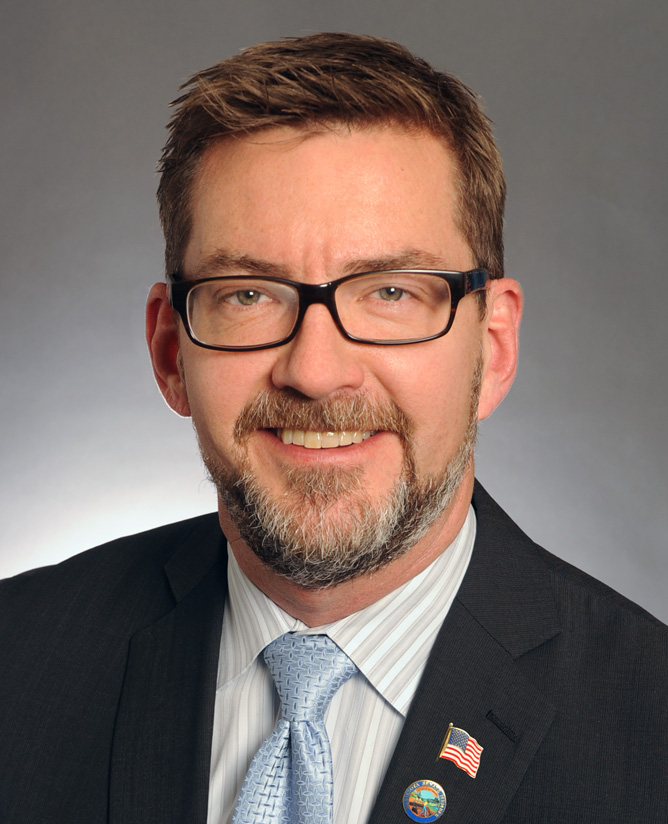
Sen. Scott Dibble
Sponsored bills
Maddy summaryThis bill imposes a 5-cent tax per kilowatt-hour on electric vehicle charging at public charging stations (for-profit, metered locations) starting October 1, 2025. It directly affects charging station operators, who must collect and remit the tax monthly to the state. Revenue from the tax is split equally between the highway user tax fund and the transportation advancement account. The tax does not apply to charging at private residences, legacy chargers (until 2032), or stations under 50 kW capacity. It repeals a separate $75 annual surcharge for electric vehicles.
Maddy summaryThis bill adds specific definitions to Minnesota's medical cannabis laws to recognize Tribal programs. It creates terms for "Tribal medical cannabis board," "Tribal medical cannabis program," and "Tribal medical cannabis program patient" for federally recognized tribes within Minnesota. The key change allows cannabis businesses to distribute medical cannabis to Tribal program patients who present a Tribal-issued registration card and valid ID (like a Tribal ID or driver's license), rather than a state-issued registry card. This directly affects Tribal governments and enrolled patients participating in Tribal medical cannabis programs on tribal lands.
Maddy summaryThis bill modifies consent requirements for electronic monitoring in nursing homes and assisted living facilities. It requires written resident consent before installing monitoring devices in private rooms, with specific safeguards: facilities must explain device types, sharing rules, and the right to decline recording. If a resident lacks capacity, their representative may consent only after confirming the resident was asked about monitoring and their medical professional assessed their understanding. Roommates must also provide written consent for shared rooms, and residents can withdraw consent at any time. (Bill: SF 1918, Minnesota Statutes 144.6502, subd. 3)
Maddy summaryThis bill modifies Minnesota's rules for driver's license and ID card photographs, allowing certain individuals to wear head coverings in their photos without compromising identification. It applies specifically to people who have lost hair due to illness or injury, or who require continuous medical head coverage (like bandages) for health reasons. Applicants must provide a physician's statement confirming the medical need, that removal of the covering is not permitted, and whether the condition is temporary or permanent. If the condition is temporary, a new photo is required at license renewal. The change ensures photo requirements remain accommodating for medical needs while maintaining clear facial identification.
Maddy summaryThis bill (SF 3259) amends Minnesota law to restrict when motorcycles can split or filter between lanes of traffic. It prohibits motorcycles from operating between lanes of moving/stationary vehicles, riding abreast, or passing within the same lane - except under specific conditions: motorcycles may pass within the same lane only when traveling at or below 25 mph and no more than 15 mph over the surrounding traffic speed. The law directly affects motorcycle riders in Minnesota, clarifying safe lane-splitting rules on public roads. It takes effect July 1, 2025, and updates existing traffic regulations without creating new penalties.
Maddy summarySF 3279 requires transportation authorities to appoint business liaisons for highway projects expected to cause "substantial business impacts" (like access, parking, or visibility issues lasting at least one month) and develop communication plans. It creates a new financial assistance program to help businesses suffering "extensive business impacts" (impacts lasting 60+ days) from certain highway projects in cities or counties. The program, administered by the commissioner, provides timely financial aid to eligible for-profit businesses or nonprofits affected by construction. This applies to projects starting November 1, 2025, or later, directly impacting businesses near highway construction sites.
Maddy summarySF 817 modifies Minnesota's transportation laws to clarify what qualifies as "highway purposes" and adjust project review processes. It expands eligible uses of highway funds to include multimodal infrastructure like transit and active transportation within highway rights-of-way, and requires new community input through local advisory committees for major highway projects. The bill also explicitly prohibits using highway funds for items like electric vehicle charging infrastructure, tourism kiosks, or event sponsorships. These changes primarily affect the Minnesota Department of Transportation and local communities involved in highway planning, ensuring project funding aligns with updated transportation priorities.
Maddy summarySF 905 requires political committees, parties, and other groups spending over $10,000 in an election cycle to disclose the original source of campaign funds. It defines "covered entities" as organizations meeting this spending threshold and mandates they track and report the identity of individuals or businesses providing "personal funds" (like salary or investments) or "business income" used for campaign spending. Covered entities must maintain detailed records of fund origins and submit this information to the state election board, which will post it publicly on a dedicated website. This bill amends Minnesota campaign finance laws to increase transparency about the ultimate donors behind campaign spending, excluding individual candidates using only their own funds and small entities receiving under $5,000 from any single donor.
Maddy summaryMinnesota Senate File 3233 establishes a 13-member task force to evaluate road funding alternatives as electric vehicle adoption grows. The task force, including state agency representatives and EV industry experts, will analyze options like mileage-based fees, increased surcharges on electric vehicles, and taxes on charging station usage. It must assess current funding mechanisms, study other states' approaches, and estimate costs for implementing alternatives by March 2026. The bill directly affects Minnesota's transportation funding system as traditional gas tax revenue declines with more electric vehicles. The task force will submit recommendations to lawmakers for potential legislative action.