

Maddy summaryThis bill proposes a constitutional amendment to Minnesota that would explicitly exclude artificial intelligence from the state's free speech protections. If passed, it would modify Article I, Section 3 of the Minnesota Constitution to state that the right to freely speak, write, and publish sentiments does not apply to artificial intelligence systems. The amendment would be placed on the ballot for voter approval at the 2026 general election, where citizens would vote "Yes" or "No" on whether to add this exclusion to the state constitution.
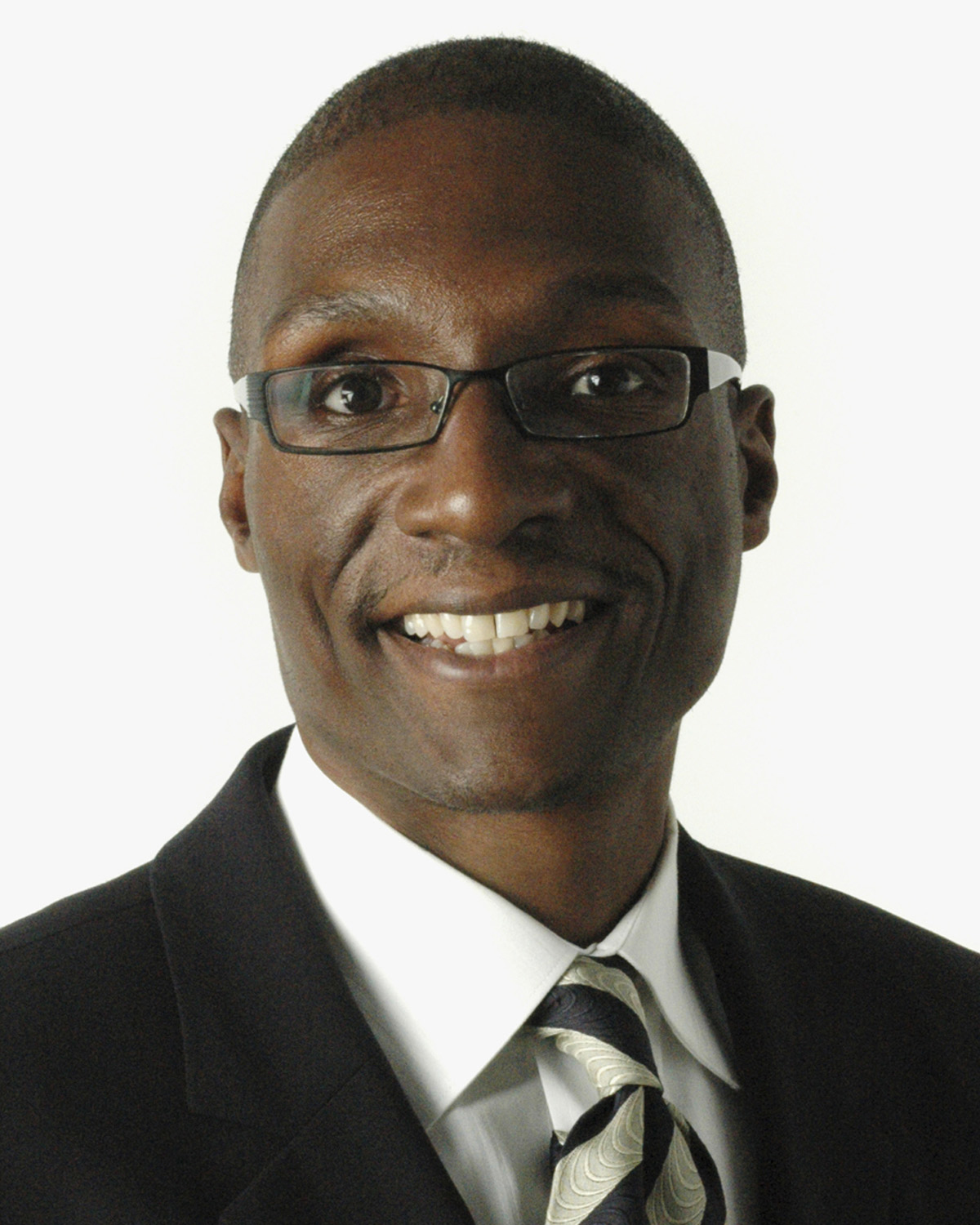
Sen. Bobby Joe Champion
Sponsored bills
Maddy summaryThis bill appropriates $250,000 from the workforce development fund in fiscal year 2027 to provide a grant to 180 Degrees, an organization serving teens and young adults in Hennepin, Ramsey, Stearns, Carver, and Olmsted Counties. The funding supports programs focused on employment readiness and career exposure, including career exploration, resume development, mock interviews, and work readiness training. These services target youth and young adults who are at risk of or experiencing homelessness, aiming to help them break cycles of poverty and gain access to stable career pathways. The appropriation is designated as a one-time funding allocation.
Maddy summaryThis bill appropriates $300,000 from the workforce development fund to support a one-time grant for Appetite For Change in fiscal year 2027. The funds will be used to provide workforce training opportunities for local youth in urban agriculture, culinary arts, and leadership development through the Youth Training and Opportunities Program. The appropriation is directed to the commissioner of employment and economic development for distribution to the organization. This measure affects youth participants and the nonprofit organization Appetite For Change by allocating specific resources for their training program.
Maddy summaryThis bill establishes new requirements for vaccine administration training and education to prevent shoulder injuries related to vaccine administration, known as SIRVA. It requires health clinics, pharmacies, and other healthcare settings to display a SIRVA prevention poster and mandates that healthcare personnel complete comprehensive training on proper vaccine administration techniques by July 1, 2026. The training must cover vaccine preparation, needle selection, administration methods, and SIRVA prevention, with completion records submitted to relevant licensing boards. Additionally, the bill updates regulations for dentists and pharmacists to ensure they meet specific training standards when administering vaccines, while explicitly excluding veterinary clinics and professionals from these requirements.
Maddy summarySF 3606 modifies Minnesota's administrative hearing process for human rights cases under Statute 363A.29. It requires the commissioner to decide within 30 days whether to forward a party's request for a hearing to the Court of Administrative Hearings, replacing the prior process. This change directly affects individuals or entities contesting human rights determinations by altering how hearing requests are routed and processed. The bill does not change substantive human rights protections or appeal procedures, only the administrative mechanics of initiating hearings.
Maddy summaryMinnesota's SF 3611 limits immigration enforcement access to school sites. The bill requires school employees to refuse entry to federal, state, or local immigration officials without a judicial warrant, verify their identification, and only allow access to areas specified in the warrant. School staff must immediately notify school leadership and legal counsel when granting such entry. This applies to all public school districts and charter schools, but does not affect officials administering educational programs. The bill aims to prevent immigration enforcement actions on school property without court authorization.
Maddy summaryThis bill creates a new legal pathway for individuals in Minnesota to sue when their civil rights are violated by officials acting under state or federal authority (e.g., police or government employees). It allows victims to seek damages, attorney fees, and other relief for deprivations of rights protected by the U.S. or Minnesota Constitutions, with a six-year statute of limitations. Additionally, it requires state/local law enforcement agencies to obtain written agreements from federal partners ensuring federal officers abide by constitutional standards and can be held liable under this new law. The provisions apply to all pending or future civil cases filed after the bill takes effect.
Maddy summarySF 3660 requires Minnesota's Bureau of Criminal Apprehension (BCA) to investigate criminal sexual conduct cases and officer-involved deaths involving federal agents, such as those from Immigration and Customs Enforcement (ICE) or Customs and Border Protection (CBP). The bill expands the BCA's existing duty - currently covering local peace officers - to include federal agents by amending definitions and investigation requirements in state law. This change ensures incidents involving federal agents operating in Minnesota are handled by the state's Use of Force Investigations Unit rather than federal or local agencies. The bill does not alter current responsibilities for local law enforcement but explicitly adds federal agents to the scope of BCA investigations.
Maddy summaryThis bill establishes special license plates for members of Panhellenic fraternity and sorority organizations in Minnesota. To qualify, applicants must own eligible vehicles (like cars or motorcycles), pay a $40 annual contribution to a Panhellenic foundations account, and meet other standard registration requirements. The funds collected support affiliated charitable foundations, which must use the money solely for their mission-related purposes. The plates, designed with each organization's emblem and identification, will be available starting January 1, 2027.
Maddy summarySF 2725 appropriates $5.25 million for fiscal year 2026 and $5.51 million for fiscal year 2027 from the general fund to the African American Child Wellness Institute. The grant funds culturally specific mental health and substance use disorder services for African American children and families of all ages, regardless of income or location. It requires the institute to enhance capacity for trauma-informed, evidence-based care, supervision, training, and care coordination. The funding includes $5.25 million added to the general fund base for fiscal year 2028 and $5.51 million for 2029 and beyond.