

Maddy summaryThis bill requires all health insurance plans in Minnesota to cover power standing systems (devices that allow wheelchair users to stand) without imposing additional costs like deductibles or co-pays. It also mandates that MinnesotaCare and medical assistance programs cover these systems starting in 2026. Insurers must report costs to the Commerce Commissioner, who will reimburse them for coverage expenses not previously provided. The law applies to all health plans offered after January 1, 2026, directly affecting wheelchair users seeking this mobility aid and state-funded health programs.
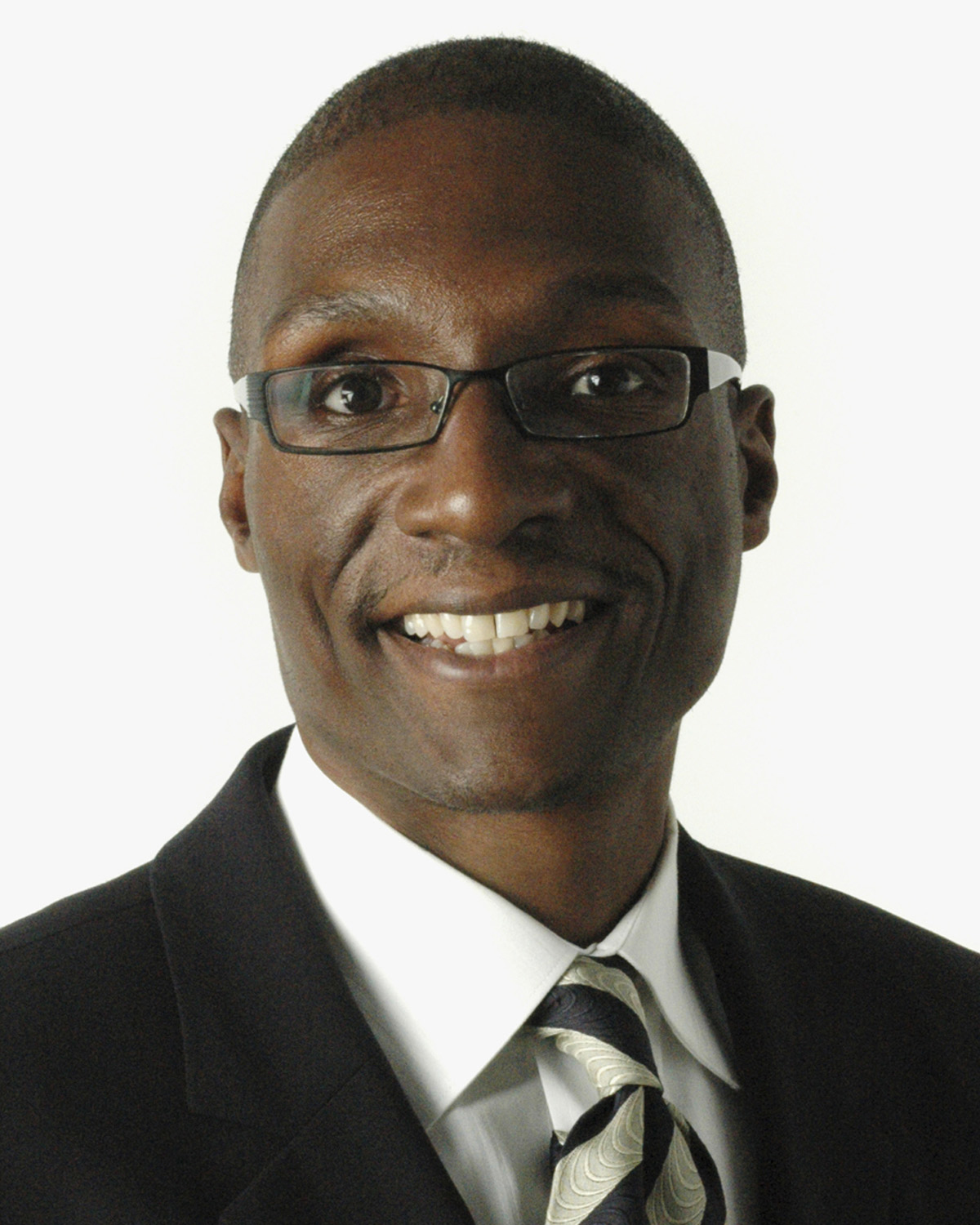
Sen. Bobby Joe Champion
Sponsored bills
Maddy summarySF 2211 authorizes $1 million in state funding for Junior Achievement North for fiscal years 2026 and 2027 to expand its financial literacy, career readiness, and entrepreneurship programs in Minnesota schools. The grant specifically requires expanding access for underserved students and prioritizing equitable programming in greater Minnesota. Junior Achievement North must report annually to legislative education committees on program participation, demographics, and partnerships. This bill directly affects elementary and secondary students participating in these expanded programs through school partnerships.
Maddy summarySF 2295 appropriates $500,000 for fiscal year 2026 and $500,000 for fiscal year 2027 from the workforce development fund to Twin Cities R!SE for its Empowerment Institute. The funding supports specific programs including personal empowerment training, employer partnerships, and statewide implementation of a youth personal empowerment curriculum. This is a one-time appropriation, with funds available until June 30, 2028. The bill directly affects Twin Cities R!SE and the participants in its workforce development programs.
Maddy summaryThis bill appropriates $2 million from the general fund to the Hmong Cultural Center of Minnesota, Inc. (a nonprofit organization) for the predesign, construction, and equipping of a facility in St. Paul. The funds will support a physical space dedicated to celebrating Hmong culture and fostering cross-cultural awareness through programming. The appropriation is one-time and available until project completion, directly benefiting the Hmong community and broader public in St. Paul.
Maddy summaryThis bill requires Minnesota's human services commissioner to regularly update lawmakers and seek federal approval for children's mental health projects, while also identifying funding gaps in residential facilities for youth. It establishes crisis stabilization facilities for immediate mental health care, creates a legislative task force to study residential facility challenges, and mandates new licensing for facilities serving youth with sexual behavior concerns. The bill also requires a financial study on residential facilities and directs the commissioner to provide reports on service coordination and screening protocols for children in protective care or juvenile justice systems. These changes directly affect county human services agencies, residential facilities, mental health providers, and children receiving these services.
Maddy summaryThis bill appropriates $1.5 million for fiscal year 2026 and $1.5 million for fiscal year 2027 from the workforce development fund to provide a one-time grant to Mind the G.A.P.P. (Gaining Assistance to Prosperity Program). The funds are intended to improve employment outcomes and develop earnings potential for unemployed and underemployed Minnesotans. Unspent funds from the first year remain available for the second year, with no cancellation of unencumbered balances. The bill directly affects the program’s operations but does not change existing laws or create new requirements.
Maddy summarySF 2157 appropriates $1.5 million from the arts and cultural heritage fund for fiscal year 2026 to support the Mixtape Strategy organization. The funds will create a cultural hub at 44th Avenue North in Minneapolis' Camdentown neighborhood - a historic Black community - to preserve its heritage and revitalize the area. The hub will include community gathering spaces focused on empowering small, diverse businesses through collaboration and innovation. This appropriation directly affects Camdentown residents and local entrepreneurs by investing in cultural preservation and economic development.
Maddy summaryThis bill appropriates funds from the arts and cultural heritage fund for the Phyllis Wheatley Community Center in fiscal year 2026. It directly supports the center’s programming, including arts expansion at the Mary T. Wellcome Child Development Center, digital arts initiatives for marginalized youth, and trauma-informed arts services for both adults and youth. The funding is specifically designated for existing community programs rather than creating new policy. As a procedural appropriation bill, it focuses on financial support for established services.
Maddy summaryThis bill appropriates $2.5 million from the general fund to Wilson's Image Holding LLC for capital improvements to renovate an existing building into the Swank Eatery food hall on West Broadway in North Minneapolis. The funds will cover design, construction, demolition, environmental cleanup, and safety upgrades to create a space with a brewery, restaurants, and dining areas. The project directly affects the business owner (Wilson's Image Holding LLC) and aims to benefit the North Minneapolis community through new commercial development. The appropriation is available until the project is completed or abandoned, as specified in Minnesota law.
Maddy summarySF 2124 appropriates funds from the general fund for fiscal years 2026 and 2027 to support emergency services, homelessness response, and provider capacity building. It provides grants to counties for interventions like low-barrier shelters, 24/7 operations, and housing-focused case management to address homelessness gaps, with priority given to applications backed by Tribal Nations. The bill also funds collaboratives to help service providers access stable funding streams, including Medicaid waivers, housing programs, and nutrition assistance. These provisions directly affect counties, homeless service providers, and people experiencing homelessness in Minnesota.