

Maddy summaryThis bill authorizes Minnesota to issue free "Legion of Merit" special license plates to qualifying individuals. It directly affects recipients of the Legion of Merit military decoration who own eligible vehicles (passenger cars, pickup trucks, motorcycles, or RVs) for personal use. Key provisions include: the plates are issued at no cost, can be transferred to another vehicle owned by the same person without fee, and are exempt from certain registration fees. The plates must display "LEGION OF MERIT" and are effective for vehicles registered on or after January 1, 2026.
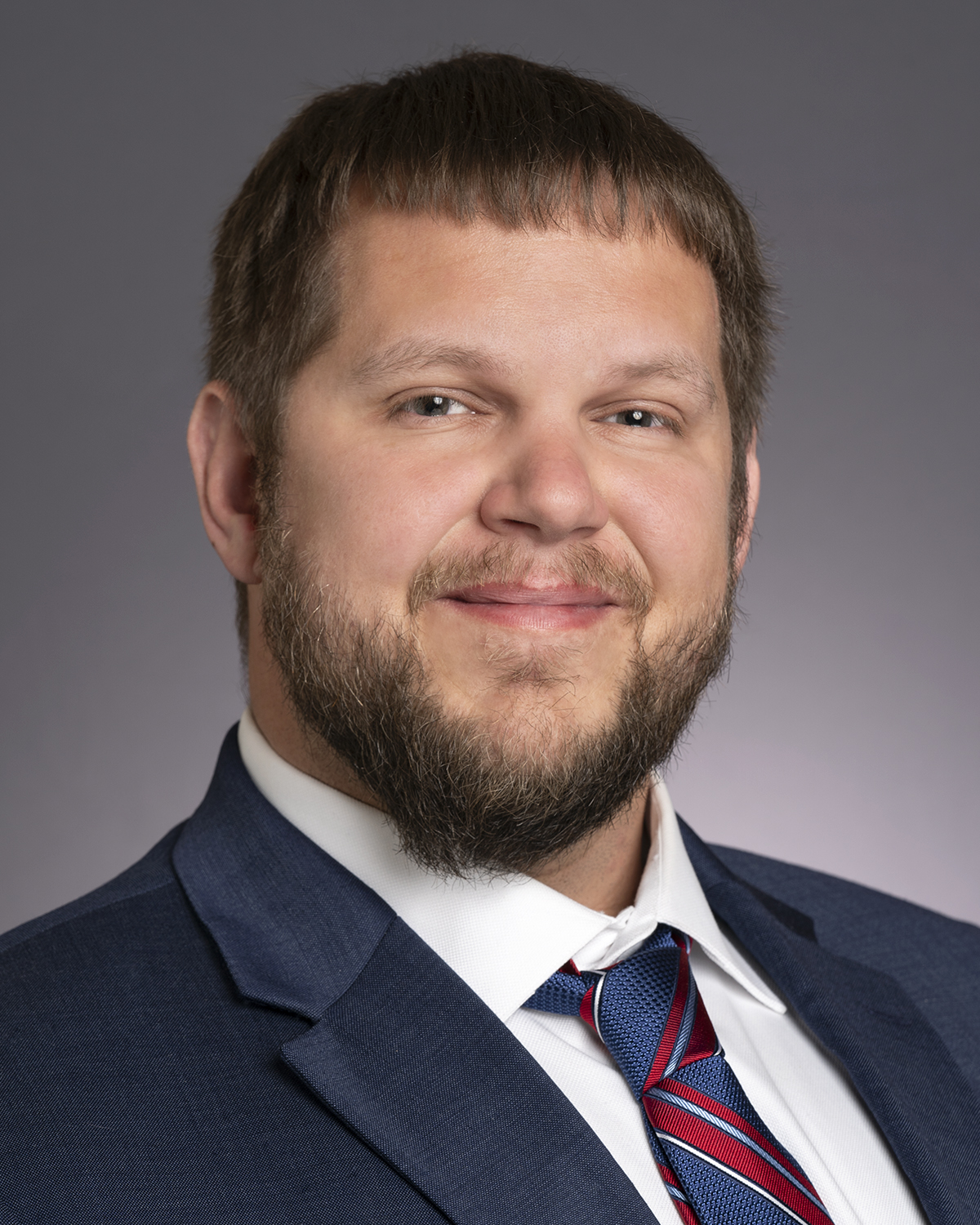
Sen. Bill Lieske
Sponsored bills
Maddy summaryThis bill prohibits Minnesota's Commissioner of Human Services and Commissioner of Children, Youth, and Families from terminating public assistance benefits based on an individual's or their dependents' vaccination status. It directly affects people receiving benefits like food assistance, cash aid, or childcare subsidies, as well as caregivers, parents, or guardians responsible for minors or vulnerable adults. The law adds specific statutory language (in sections 142A.03 and 256.01) making it illegal for these agencies to rescind benefits due to vaccination status. The policy change is a direct prohibition on using vaccination status as a grounds for benefit termination, without altering eligibility criteria or creating new programs.
Maddy summaryThis bill allows school staff with valid firearm permits to carry weapons on school property after completing annual training. It requires the Bureau of Criminal Apprehension to provide free, annual active-shooter response training to teachers and employees at public K-12 schools, charter schools, and postsecondary institutions. The bill amends criminal penalties to clarify that permitted staff carrying firearms on school grounds will face only a misdemeanor charge (not a felony), while maintaining restrictions for others. It specifically applies to staff who already hold permits under Minnesota law, with no new permit eligibility created.
Maddy summaryThis bill (SF 356) increases the reemployment earnings limit for public safety officers (police, firefighters, paramedics) receiving disability benefits under Minnesota's public employee retirement plan. It amends Minnesota Statutes § 353.656, subdivision 4, raising the threshold at which disability benefits are reduced when recipients work part-time. Specifically, the limit is set at 150% of the base monthly salary for similar positions with their employer, meaning officers can earn more before benefits are adjusted. This change directly affects current disability benefit recipients who return to partial work, providing greater financial flexibility.
Maddy summarySF 354 would create a new special license plate for Minnesota veterans who received the National Defense Medal. This plate would be added to Minnesota's existing veterans' plate program, requiring applicants to provide proof of the medal. The bill amends Minnesota Statutes section 168.123 to include this new category, following the same application process as other veterans' plates (including fee payment and verification of service). It directly affects eligible Minnesota veterans who served with the National Defense Medal, without changing existing requirements for other veteran plate types.
Maddy summaryThis bill, SF 352, removes the requirement for a permit to carry a firearm in most public places across Minnesota, recognizing the Second Amendment right to carry. It states that law-abiding residents (not prohibited by state or federal law) may carry firearms openly in vehicles, on their person, or in public spaces like parks and stores, excluding homes, businesses, gun shops, and hunting areas. The bill also creates an optional permit system for those who want one, requiring applicants to be 21+, have pistol safety training, and pass background checks. It directly affects Minnesotans seeking to carry firearms without a permit, while maintaining existing restrictions for prohibited individuals.
Maddy summaryThis bill requires sellers in Minnesota to accept United States currency, including Federal Reserve notes, as payment for goods and services. The rule applies to in-person transactions at locations where the seller takes cash, with specific exceptions for banks, credit unions, and certain security deposit scenarios. While businesses with multiple sales points must accept cash at at least one location, they are exempt from the requirement if they only use cash-to-card conversion devices that charge no fees, require no large deposits, provide receipts, and do not limit card usage. Violations of this requirement could result in a civil penalty of up to $250 for each transaction or attempted transaction.
Maddy summaryThis bill requires anyone who steals a firearm to report the theft to local law enforcement within 48 hours. It establishes a tiered penalty system where a first violation is a petty misdemeanor, a second is a misdemeanor, and subsequent violations are gross misdemeanors. Additionally, police chiefs and sheriffs must forward these theft reports to the state commissioner of public safety within seven days. To support this process, the bill includes a one-time appropriation for the Department of Public Safety to create a reporting system managed by the Bureau of Criminal Apprehension.