

Maddy summaryThis bill appropriates $50,000 from the general fund for fiscal year 2026 to the commissioner of natural resources. The funds are specifically for a grant to "Forgotten Heroes Ranges and Retreat" to promote youth shooting sports and host a youth shooting day. It directly affects youth participants in shooting sports programs through this grant-funded initiative. The bill creates no new requirements or regulations, only providing dedicated funding for an existing program.
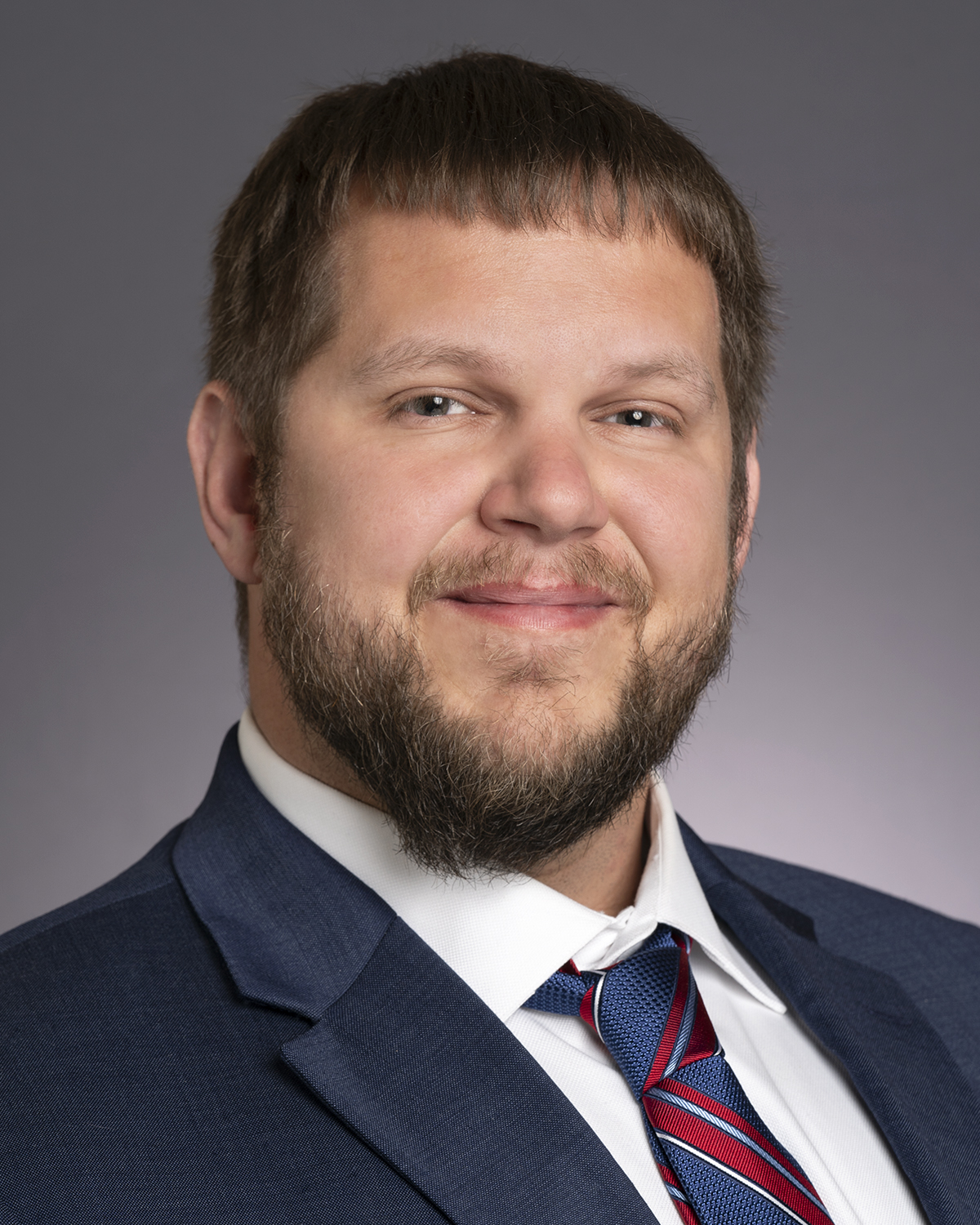
Sen. Bill Lieske
Sponsored bills
Maddy summarySF 1260 would remove a legal prohibition preventing Minnesota's Public Utilities Commission from issuing certificates of need for new nuclear power plants. This amendment to Minnesota Statutes 216B.243 would allow the commission to approve such projects if they meet regulatory standards. The bill directly affects energy companies seeking to build new nuclear facilities and the commission responsible for reviewing these applications. It specifically targets the barrier to new construction without altering other nuclear power regulations.
Maddy summaryThis bill removes the refundability of Minnesota's child tax credit and working family credit. It directly affects low-income families who currently receive these credits as cash refunds if their tax liability is less than the credit amount. The key change is that these credits will no longer be refundable - meaning families who owe no state income tax will no longer receive the credit as a payment, only as a reduction against tax liability. The bill repeals existing refundability provisions in Minnesota Statutes (sections 290.0661, subdivisions 6 and 8; and 290.0671, subdivision 4). It takes effect for taxable years beginning after December 31, 2024.
Maddy summarySF 1963 requires health insurance plans in Minnesota to cover self-measured blood pressure monitoring devices and related services for enrollees diagnosed with uncontrolled hypertension. This coverage is limited to one device every three years and includes reimbursement for providers who train patients, transmit blood pressure data, and deliver co-interventions. The bill amends Minnesota Statutes to add this requirement under medical equipment coverage, effective January 1, 2026. It directly affects individuals with uncontrolled hypertension who rely on insurance for these medical devices.
Maddy summaryThis bill (SF 2102) amends Minnesota Statutes to remove eligibility for the state's Working Family Credit for taxpayers who use an Individual Taxpayer Identification Number (ITIN) instead of a Social Security number. It directly affects non-citizen or undocumented immigrant taxpayers who qualify for the federal Earned Income Tax Credit (EITC) but lack a Social Security number. The key provision changes Section 290.0671 of Minnesota law to require a Social Security number for claiming the credit, effectively barring ITIN holders from accessing this state tax benefit. The change applies to tax years beginning after December 31, 2024, and does not alter the credit amount or other eligibility rules.
Maddy summarySF 2110 expands Minnesota's list of inmates ineligible for earned incentive release credit under the Rehabilitation and Reinvestment Act. It adds specific serious offenses to the exclusion list, including crimes resulting in death, certain sexual offenses involving minors, child exploitation, violent crimes with weapons, and crimes carrying mandatory minimum sentences. This directly affects inmates serving sentences for these offenses who would otherwise qualify for early release through the program. The bill amends Minnesota Statutes sections 244.45 and 244.46 to implement these changes.
Maddy summaryThis bill repeals Minnesota's automatic inflation adjustments for two state tax credits: the child tax credit and the working family credit. It removes the requirement that the credit amounts and income thresholds be updated annually to match inflation, as currently mandated by law. As a result, these credits will no longer automatically increase with inflation for families claiming them after 2024. The change directly affects Minnesota families who qualify for these credits, as their benefit amounts will remain fixed at current levels without future inflation adjustments. The bill takes effect for taxable years beginning after December 31, 2024.
Maddy summarySF 2100 repeals existing Minnesota statutes and rules requiring K-12 public schools to include diversity, equity, and inclusion content in curricula. Specifically, it removes mandates for schools to teach about Indigenous histories, languages, sovereignty, treaty rights, and contributions of American Indian Tribes as part of academic standards. The bill also eliminates requirements for embedding such content in subjects like social studies, language arts, and arts education. It directs the state Department of Education to develop new rules governing academic standards, effectively removing current DEI-related requirements from state education policy.
Maddy summaryThis bill modifies Minnesota's rules for charging patients when they request copies of their health records. It prohibits fees for patients reviewing their own records but sets new maximum charges: $250 for records under three years old (or $250 + $0.40/page for older records), $10 for paper retrieval, $20 for electronic copies, and $30 for x-rays. It also exempts patients appealing Social Security disability claims from all fees, requiring proof like a benefits statement or public assistance documentation. Fees will adjust annually based on the Minneapolis-St. Paul Consumer Price Index starting in 2026.
Maddy summaryThis bill appropriates $500,000 for fiscal year 2026 and $500,000 for fiscal year 2027 from the general fund to provide a grant to Lutheran Social Services' CORE program. The funds support home-delivered meals for Minnesota veterans outside Hennepin and Ramsey Counties, along with technical assistance, outreach, and volunteer recruitment for member programs. Unspent funds from 2026 carry over to 2027. The CORE program must submit annual reports by September 1st detailing fund usage and the number of veterans served.