

Maddy summarySF 3315 requires voters who register on election day to cast provisional ballots instead of regular ballots. The bill amends Minnesota Statutes (specifically sections 201.061 and 204C.135) to mandate that individuals registering in person at polling places on election day must use provisional ballots, which are verified for eligibility after the election. This directly affects voters who register on election day, such as those who missed mail-in or online registration deadlines. The bill repeals outdated sections of law to align with this requirement, but does not change the provisional ballot verification process itself.
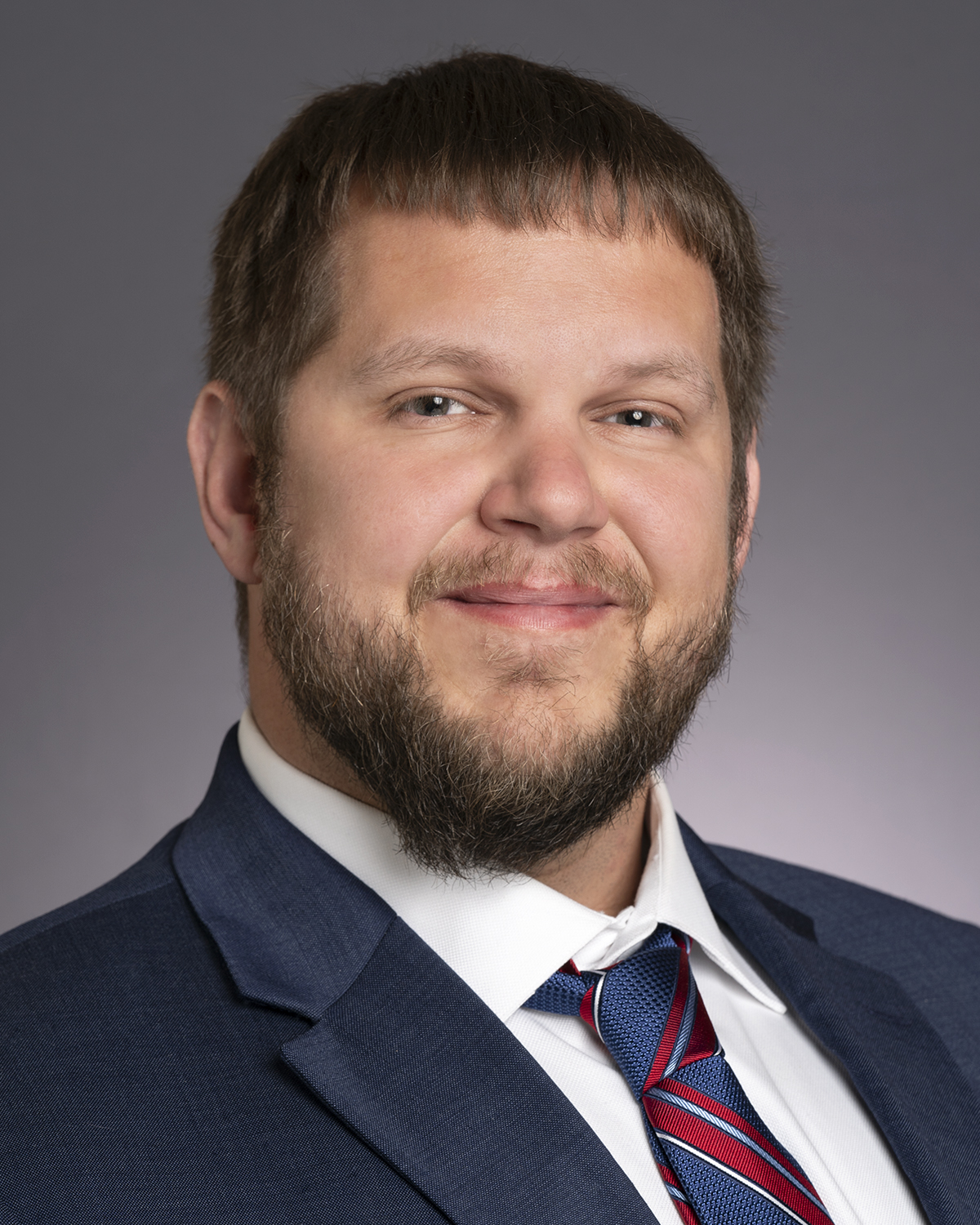
Sen. Bill Lieske
Sponsored bills
Maddy summaryThis bill adds "cigar bar" to the list of businesses cities can license to sell alcohol on-site under Minnesota law. It directly affects cigar bars (businesses primarily selling cigars or tobacco products) by allowing them to obtain liquor licenses, which they previously could not. The key provision amends existing statute to explicitly include cigar bars under the same licensing rules as tobacco shops, enabling cities to issue on-sale liquor licenses to these establishments. The change applies statewide and takes effect upon final enactment.
Maddy summarySF 3250 prohibits certain taxes during government shutdown periods in Minnesota. It amends Minnesota Statutes to prevent wage tax deductions (under section 290.92) and consumption taxes (under sections 295, 296A, etc.) from being imposed on wages paid or transactions occurring during a "shutdown period" or a short grace period after it ends. A "shutdown period" is defined as the time when appropriations for executive, legislative, or judicial branches haven't been enacted for the upcoming biennium, starting July 1 of an odd-numbered year. The bill directly affects employers who withhold wage taxes and businesses/individuals subject to consumption taxes during these defined shutdown windows.
Maddy summaryThis bill appropriates funds to create two key resources: a state-wide water availability atlas showing current water resources using existing data, and a methodology to help determine suitable locations for large water users (like businesses or industries). It directs the commissioner of natural resources to develop these tools by working with the Minnesota Geospatial Information Office. The atlas and methodology must be submitted to relevant legislative committees and made available to state agencies, local governments, and economic development authorities by January 15, 2028. The appropriation is a one-time funding measure for this specific development effort.
Maddy summaryThis bill clarifies that direct primary care agreements (where patients pay a periodic fee for primary care services) are not considered health insurance or subject to insurance regulations. It defines a "direct primary care agreement" as a written contract between a patient and provider that includes specific terms: no termination fees, clear periodic fees for defined services, prohibition on extra charges for included services, and a prominent statement that it is not insurance. The bill exempts these agreements and providers from Minnesota's insurance regulations (chapters 60A-72A) when the agreement meets all defined requirements. It applies to agreements issued, offered, or renewed on or after July 1, 2025.
Maddy summarySF 756 amends Minnesota Statute 346.021 to require finders of lost animals (estrays) to give notice to the owner within seven days if the owner is known, or to file a public notice within ten days if the owner is unknown. It directly affects individuals who find lost animals by imposing a legal obligation to provide this notice. The key provision creates civil liability for finders who fail to comply, making them liable for double the damages the owner suffers due to the lack of notice. This change aims to streamline the process for owners to reclaim lost animals while clarifying consequences for non-compliance.
Maddy summaryThis bill appropriates $3 million from the general fund for fiscal year 2026 to establish the Minnesota Age in Place Network through a grant to Age Well at Home. It directly affects low- to moderate-income homeowners aged 60+ who own their homes, by funding home modifications and safety renovations (like grab bars or ramps) at their residences. Each project is capped at $20,000, and up to 10% of the grant can cover administrative costs for the network’s setup and maintenance. The funding is specific to home safety improvements, not broader services or income support.
Maddy summaryThis bill restricts participation on female-designated sports teams in Minnesota K-12 schools to students identified as female at birth, overriding existing policies. It requires students who may be questioned about their sex to provide a physician's statement confirming their sex based on reproductive anatomy, natural testosterone levels, and chromosomes. The law applies to all elementary and secondary school athletic teams designated for women or girls and takes effect July 1, 2025. It directly affects school athletic programs and students seeking to participate on female sports teams.
Maddy summarySF 686, titled the "Unilateral Emergency Powers Repeal Act," removes the governor's authority to unilaterally declare a state of emergency. Instead, it requires the legislature to formally declare emergencies and extend them, shifting this power from the executive to the legislative branch. The bill also repeals the governor's ability to issue emergency orders with the full force of law and explicitly protects citizens' rights - including free speech, assembly, travel, and business operations - from infringement during emergencies. These changes amend multiple sections of Minnesota Statutes related to emergency management (e.g., sections 12.03, 12.21, and 12.32) to establish a more collaborative process between the governor and legislature.
Maddy summaryThis bill appropriates $1 million from the environment and natural resources trust fund for a one-time grant to Forgotten Heroes Ranges and Retreat, a nonprofit organization. The funds will support planning, building, and equipping a new shooting range and retreat facility specifically designed to accommodate disabled veterans and individuals with disabilities. The grant is available until the project is completed or abandoned, with no ongoing annual funding required. This directly affects the nonprofit organization and its ability to serve disabled veterans and people with disabilities through improved accessibility.