

Maddy summaryThis bill defines what constitutes a "major decision" involving public funds by non-elected local officials for campaign finance purposes. It specifies that attempting to influence decisions about budgets, grant funding, or tax incentives for private development counts as lobbying, while routine grant applications or administrative communications do not. The law explicitly excludes routine purchases, labor negotiations, and litigation discussions from this definition. It directly affects local government officials and entities seeking to influence their financial decisions, clarifying lobbying rules under Minnesota Statutes.
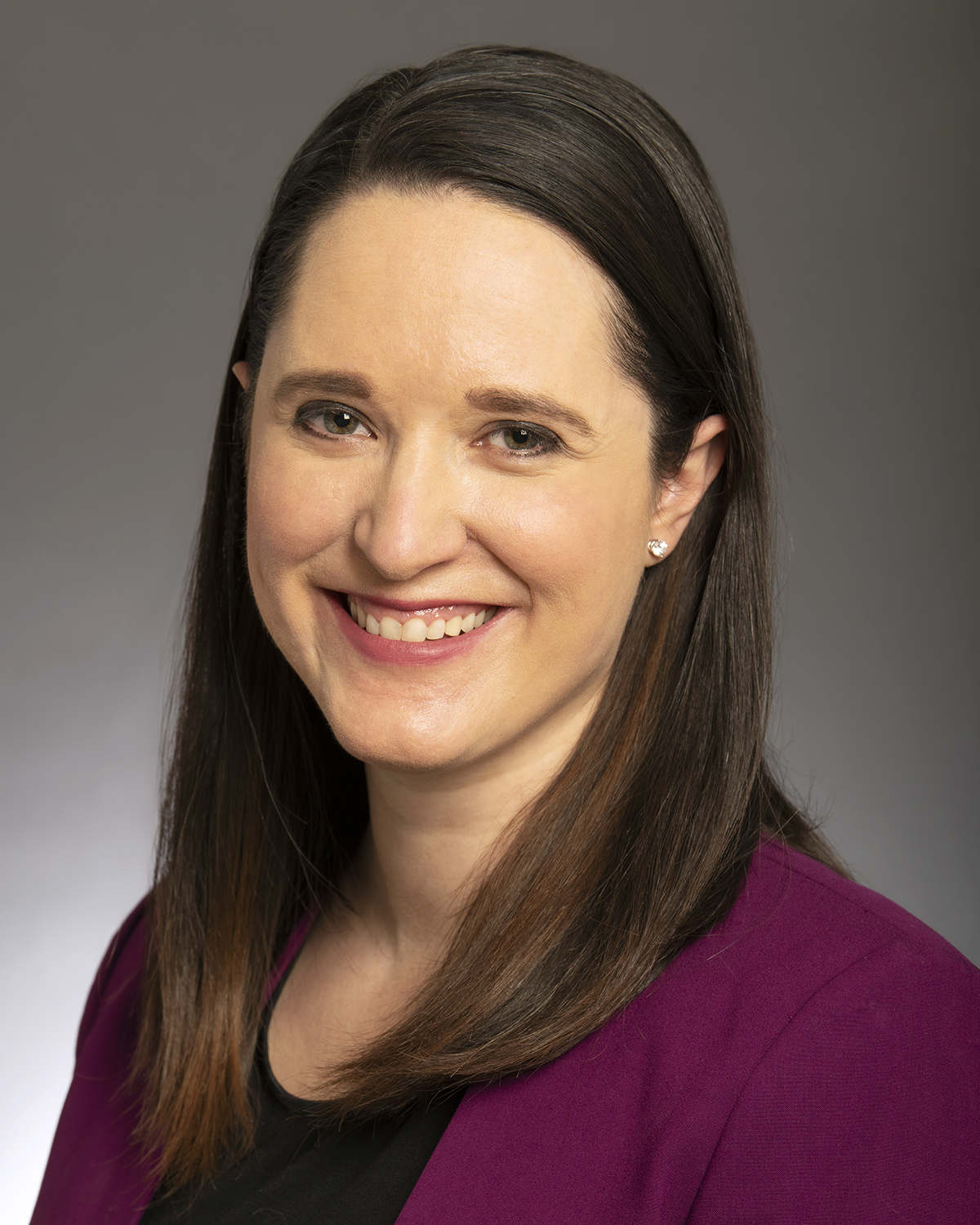
Sen. Lindsey Port
Sponsored bills
Maddy summaryMinnesota Senate Bill SF 1033 is a resolution passed by the Minnesota Legislature requesting Congress to address the Supreme Court's *Citizens United v. FEC* decision. It asks Congress to clarify that constitutional rights belong solely to natural persons (people), not corporations or other artificial entities, and that spending money to influence elections is not protected speech under the First Amendment. The resolution specifically proposes a constitutional amendment requiring that government regulate campaign spending to ensure equal access for all citizens, prohibit unlimited spending by entities, and mandate public disclosure of political contributions. This is a non-binding request to Congress, not a law that changes current regulations.
Maddy summarySF 1698 allows homeowners who live in their single-family homestead as their primary residence to rent or lease a portion of their property (like a basement or room) without municipal restrictions. It directly affects Minnesotans owning homestead properties who wish to generate income through partial rentals. The bill amends zoning law to explicitly permit such rentals as a "single family use," meaning cities cannot ban this practice. Municipalities may still enforce standard landlord-tenant laws and other housing regulations. This bill does not change existing tenant protections or require new municipal permits for these rentals.
Maddy summarySF 1512 allocates $20 million from the general fund to the housing development fund and another $20 million to the Minnesota Housing Finance Agency for its workforce housing development program in fiscal year 2026. This one-time funding supports the development of affordable housing targeted at working households, directly benefiting eligible developers and residents through the agency's established program. The bill specifies the exact funding amounts and transfer mechanisms without creating new regulations or eligibility criteria. It focuses solely on providing financial resources for existing workforce housing initiatives under Minnesota Statutes section 462A.39.
Maddy summarySF 1511 is a funding bill that allocates unspecified amounts from the general fund for the Family Homeless Prevention and Assistance Program in Minnesota's fiscal years 2026 and 2027. It directs the Housing Finance Agency to use these funds under existing law (Minnesota Statutes, section 462A.204) to support services for families facing homelessness. The bill does not create new program requirements but provides dedicated funding for an existing state program. This appropriation directly affects families eligible for homelessness prevention and assistance services through the Housing Finance Agency. (Note: Specific dollar amounts are listed as placeholders in the bill text.)
Maddy summaryThis bill modifies the legal definition of "administrative action" specifically for the Public Utilities Commission (PUC) under Minnesota law. It explicitly clarifies that the PUC's application of rules - including rate setting, power plant/siting decisions, and certificate of need approvals - counts as an "administrative action," which was previously excluded. The change ensures these routine regulatory activities are treated consistently under the statute. This is a procedural adjustment to the definition, not a new policy.
Maddy summaryThis bill appropriates $10.8 million from state bond proceeds to reconstruct County State-Aid Highway 50 from Kenrick Avenue to Klamath Trail in Dakota County, as part of the Interstate 35 interchange project. The funds will cover design, construction, right-of-way acquisition, pedestrian/bike facilities, utility relocation, and stormwater management for the corridor. Dakota County and the city of Lakeville are the direct recipients for these mobility and safety improvements. The state will issue up to $10.8 million in bonds under existing statutes to finance this project, effective upon final enactment.
Maddy summaryThis bill amends Minnesota Statutes to modify mining restrictions in the Boundary Waters Canoe Area Wilderness (BWCA) and Rainy River headwaters. It maintains a general prohibition on mining in the BWCA but adds a specific exception: mining for taconite, iron ore, sand, gravel, or granite may proceed on state lands in the Rainy River headwaters if the commissioner of natural resources determines it won't harm the BWCA. The bill requires the commissioner to investigate alternatives before approving such mining and mandates legislative approval for permits in these cases. It directly affects state land management decisions and mining operations in these specific regions.
Maddy summarySF 1036 prohibits landlords from using software or data services that collect and analyze rental data from multiple landlords to set prices, lease terms, or occupancy levels. It directly affects landlords who might use such "coordinating services" and the companies operating those services (called "coordinators"). The bill bans landlords from subscribing to or paying for these services and prohibits coordinators from facilitating agreements among landlords to avoid competition. This aims to prevent coordinated pricing or lease terms that could reduce competition in rental markets.
Maddy summaryThis bill appropriates $40.8 million in state bond funds to construct bridges and interchanges on Interstate 35 at Dakota County State-Aid Highway 50 (CSAH 50) in Lakeville, Minnesota. It covers environmental analysis, design, right-of-way acquisition, and construction of two bridges over CSAH 50 plus associated ramps. The funds will come from bonds sold by the state under Minnesota law, with proceeds deposited into the trunk highway fund. The project directly affects Lakeville residents and commuters using this specific I-35 interchange by improving traffic flow and safety at the intersection.