

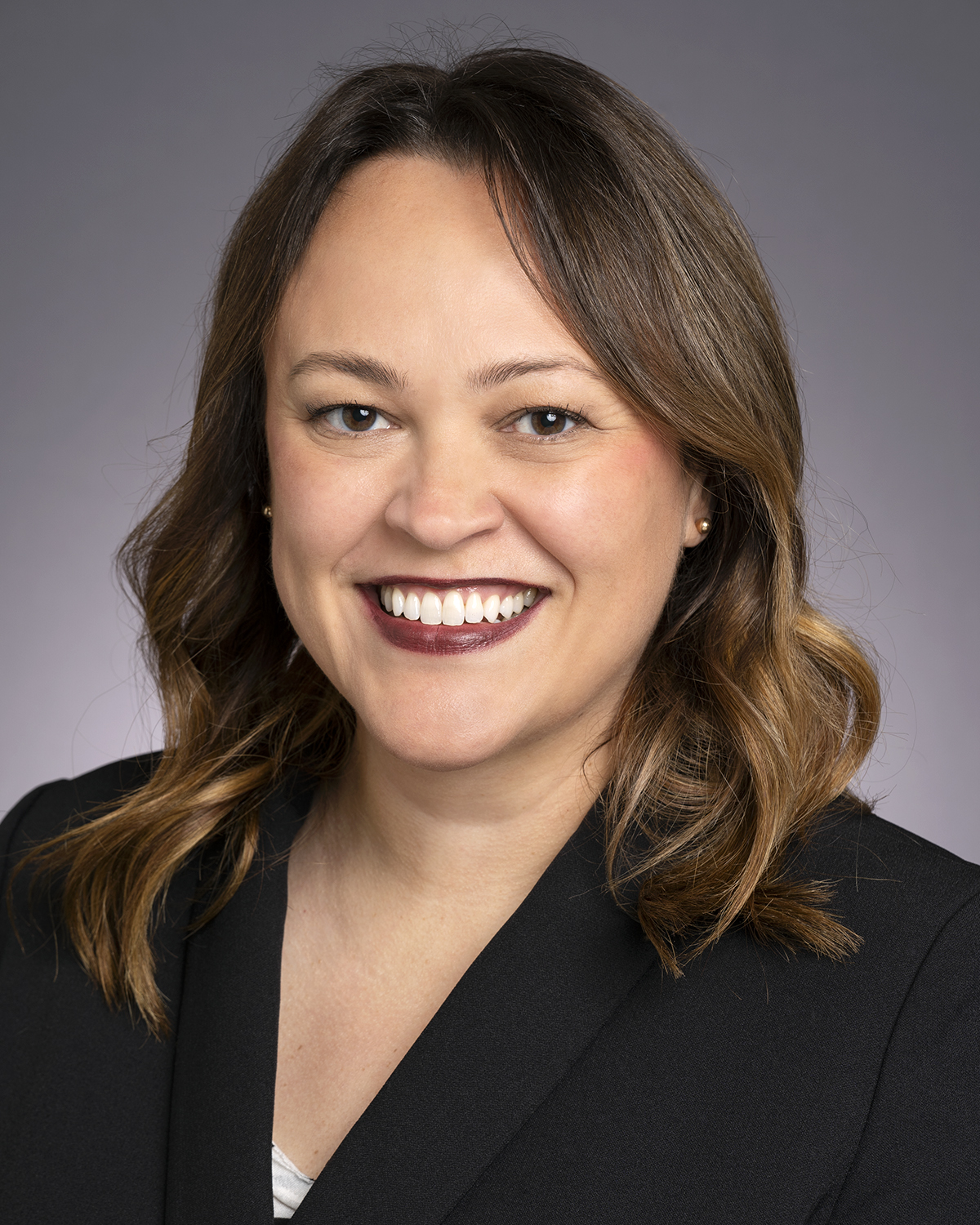
Photo of Alice Mann
D Minnesota Senate · District 50

Sen. Alice Mann

Compare
Total votes
26
all sessions
Attendance
100%
of floor votes
Near the chamber average
With party
96%
of cast votes
Near the chamber average
Bipartisan score
2%
crosses aisle rarely
Near the chamber average
Sponsored
511
bills & resolutions
Near the chamber average
Committees
2
assignments
511 bills and resolutions

Sponsored bills

Total
511
Primary
220
Co-sponsor
291
This page
511
matching current filters
Co-sponsor SF 2796
In committee · Minnesota Senate · Co-sponsor
Waiver case management labor market analysis requirement provision and waiver case management rates increase provision

Maddy summaryThis bill increases waiver case management service rates by 27.5% effective July 1, 2025, for services provided under Minnesota Statutes sections 256B.0913, 256B.092, 256B.0922, and 256B.49. It also requires county agencies to annually submit detailed labor market data about case managers (including wages, staffing, turnover, and vacancies) to the commissioner for public analysis and reporting. The data collection aims to inform future rate adjustments and address workforce trends. These changes directly affect county agencies, contracted service providers, and case managers who deliver essential community support services to seniors aged 65+ who qualify for waiver programs.

In committee Mar 20, 2025 1 co-sponsor
Co-sponsor SF 2022
In committee · Minnesota Senate · Co-sponsor
Commissioner of human services requirement to establish a minimum per diem rate for a specified psychiatrist residential treatment facility

Maddy summaryThis bill requires Minnesota's Commissioner of Human Services to set a minimum daily payment rate of $1,800 for a specific Clay County psychiatric residential treatment facility serving youth under 21. It appropriates $1 million in fiscal year 2026 for Clay County to purchase equipment and remodel the facility, and allocates $1 million each year for 2026-2027 for statewide start-up and capacity-building grants for similar facilities. The bill directly affects Clay County's facility conversion project and provides funding for new psychiatric residential treatment services. It does not establish statewide rate standards but mandates a specific rate for this facility and funds related infrastructure.

In committee Mar 20, 2025 1 co-sponsor
Primary SF 2867
In committee · Minnesota Senate · Lead sponsor
Fifth tier of the individual income tax establishment at a rate sufficient to offset lost federal Medicaid funds

Maddy summaryMinnesota Senate File 2867 establishes a new fifth tax bracket for individual income tax to replace revenue lost due to federal Medicaid funding changes. The bill amends Minnesota Statutes to require the commissioner of revenue to set a specific tax rate for high-income earners (applying to taxable years 2025-2026) that generates revenue equal to the certified loss from federal policy shifts. This new rate applies to income above the existing highest bracket thresholds ($1,667,000 for joint filers, $1,000,000 for single filers). The measure directly affects high-income Minnesotans by increasing their tax burden to offset state Medicaid funding shortfalls.

In committee Mar 20, 2025 0 co-sponsors
Co-sponsor SF 1059
In committee · Minnesota Senate · Co-sponsor
Patient-Centered Care program establishment

Maddy summarySF 1059 establishes Minnesota's Patient-Centered Care program to directly pay healthcare providers for services to medical assistance and MinnesotaCare enrollees, replacing current managed care contracts. The bill requires the state commissioner to pay providers directly (not through managed care organizations) for all services, including separate payments for drugs and vaccines, and adds monthly care coordination fees for primary care providers. It also funds community health workers to conduct outreach for vulnerable populations (like those experiencing homelessness or mental illness) and reduce hospital readmissions through discharge planning. This affects approximately 600,000 Minnesotans enrolled in medical assistance or MinnesotaCare programs.

In committee Mar 20, 2025 1 co-sponsor
Co-sponsor SF 2043
In committee · Minnesota Senate · Co-sponsor
Spoken language health care interpreter working group establishment and appropriation

Maddy summarySF 2043 establishes a 15-member work group to improve spoken language health care interpreting services in Minnesota. The group, composed of interpreters, LEP patients, health plans, agencies, and government representatives, must develop recommendations on interpreter certification standards, reimbursement, rural service gaps, and telehealth requirements by October 2025. It directly affects healthcare interpreters (especially those serving uncommon languages or rural areas) and patients with limited English proficiency. The bill appropriates funds for the work group’s operations and requires public input in Minnesota’s five most common languages.

In committee Mar 17, 2025 1 co-sponsor
Co-sponsor SF 2323
died · Minnesota Senate · Co-sponsor
MinnesotaCare eligibility expansion

Maddy summarySF 2323 would expand MinnesotaCare eligibility to cover more low-income Minnesotans, including those currently ineligible due to income levels. It establishes a new premium scale for these expanded enrollees and requires the state to seek a federal Section 1332 waiver to implement the change. The expansion would take effect on January 1, 2029, or after federal approval, whichever comes later. This bill directly affects working families and individuals who currently don’t qualify for MinnesotaCare but also can’t afford private insurance.

died Mar 17, 2025 1 co-sponsor
Co-sponsor SF 2649
In committee · Minnesota Senate · Co-sponsor
Retailers advertising lung cancer screenings at cigarette point of sale requirement provision and appropriation

Maddy summaryThis bill requires retailers selling cigarettes to display clear, visible information about free lung cancer screenings at the point of sale (like checkout counters). The advertisement must include a website or QR code directing customers to noncommercial screening resources. It appropriates unspecified funds from the general fund to the Department of Health for implementing this requirement in fiscal year 2026. The bill directly affects retail stores that sell cigarettes, mandating they provide this health information to customers during purchases.

In committee Mar 17, 2025 1 co-sponsor
Primary SF 1953
In committee · Minnesota Senate · Lead sponsor
Mental illness definition modification provision, medical assistance transportation reimbursement rates modification modifications provision, children at risk of bipolar disorder grant program establishment provision, and children's first episode of psychosis program appropriation

Maddy summaryThis bill updates Minnesota's legal definition of "mental illness" to explicitly include disorders like schizophrenia, bipolar disorder, and major depression that significantly impair daily functioning. It modifies medical assistance transportation reimbursement rates for mental health services and establishes two new programs: a grant program supporting children at risk of bipolar disorder, and funding for a "children's first episode of psychosis" program. The changes affect Medicaid beneficiaries, mental health providers, and children/adolescents with specific mental health conditions. The bill amends specific sections of Minnesota Statutes related to mental health definitions, service delivery, and funding. (Note: The bill text does not specify exact rate changes for transportation reimbursement.)

In committee Mar 17, 2025 0 co-sponsors
Co-sponsor SF 1890
In committee · Minnesota Senate · Co-sponsor
Reproductive health equity grant fund establishment

Maddy summarySF 1890 establishes a $30 million reproductive health equity grant fund to expand access to abortion care in Minnesota. The fund provides one-time grants to abortion providers, government entities, and nonprofit organizations that facilitate abortion access, with specific focus on supporting staff retention, funding free or low-cost care for uninsured patients, enhancing facility security, and improving cultural competency training. Grants must be used to grow abortion care capacity, ensure affordability regardless of income, and secure physical/digital infrastructure for providers. The fund becomes operational by January 2026, with the commissioner required to award grants within 30 days of application.

In committee Mar 13, 2025 1 co-sponsor
Primary SF 787
In committee · Minnesota Senate · Lead sponsor
Open meeting laws unlimited remote participation authorization modification provision

Maddy summarySF 787 modifies Minnesota's open meeting law (Minnesota Statutes §13D.02) to remove the current annual limit of three remote participation instances for local government board members. The bill allows any member of a public body (like city councils or school boards) to participate remotely without restriction, provided they meet existing requirements: all participants must be able to see/hear each other, the public at physical locations must have full access to discussions, at least one member must be physically present, and votes must be by roll call. This change directly affects local government bodies by streamlining remote participation during meetings. The bill maintains other core open meeting principles but eliminates the previous three-time-per-year cap for remote attendance.

In committee Mar 13, 2025 0 co-sponsors
Showing 151 to 160 of 511 bills
Previous 1 15 16 17 52 Next