

Maddy summaryThis bill authorizes the sale of state bonds to fund municipal infrastructure improvements in the city of Spring Park. The $3,078,000 in bond proceeds will be used to design, engineer, construct, and equip capital improvements along Sunset Drive from Shoreline Drive to Shadywood Road. Specific projects include upgrading water and sewer systems, reconstructing streets, performing utility work, and building a multiuse trail. The commissioner of management and budget will handle the bond sale according to existing state laws and constitutional provisions.
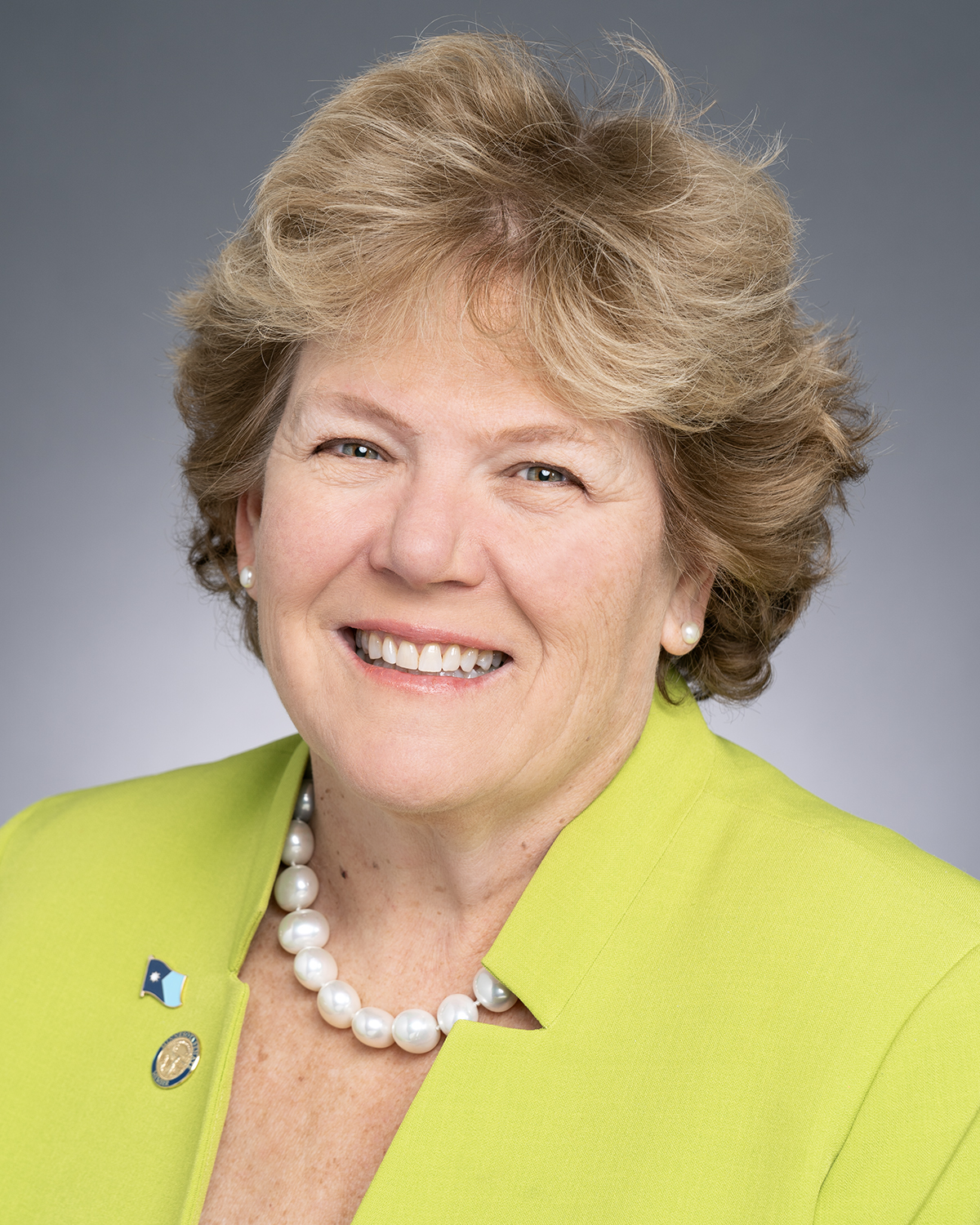
Sen. Ann Johnson Stewart
Sponsored bills
Maddy summaryThis bill designates January as "Snow Professionals Appreciation Month" in Minnesota. It recognizes snow professionals - including those who clear streets, plow roads, and manage winter weather - who keep communities safe during winter. The bill allows the governor to promote public awareness of this month but does not create new laws, funding, or requirements. It focuses solely on honoring these workers' contributions to Minnesota's winter economy and public safety. (Procedural bill; summary limited to 2 sentences as per guidelines.)
Maddy summaryThis bill establishes a new advisory board in Minnesota to study the impacts of commercial autonomous vehicle operations on workers and small businesses. It creates a permit requirement that must be approved by the commissioner before any commercial autonomous vehicles can operate in the state, with the permit process requiring individual evaluations by the advisory board. The advisory board includes representatives from driver workforces, consumer advocacy groups, municipal governments, and autonomous vehicle companies, along with state agency officials. The board must hire an independent research institution to conduct a comprehensive study on economic impacts, workforce displacement, and reemployment pathways before permits can be issued.
Maddy summaryThis bill requires transportation network companies in Minnesota to make a portion of their vehicle fleets wheelchair accessible and to adopt nondiscrimination policies for passengers with disabilities. The law mandates that companies pay a $0.28 surcharge per ride for non-accessible trips, with funds deposited into a dedicated account to subsidize wheelchair accessible vehicle services. Companies must also provide annual reports on their accessibility performance and ensure their digital platforms meet Americans with Disabilities Act standards by July 2027. Cities that license these services may waive licensing fees for companies that maintain at least 7.5 percent of their fleet as wheelchair accessible vehicles.
Maddy summaryThis bill requires commercial operators of autonomous vehicles in Minnesota to have at least two wheelchair-accessible vehicles in their fleet within one year of starting operations. It applies to any entity using autonomous vehicles - defined as Level 3, 4, or 5 automation systems - for commercial purposes like transporting passengers or goods. The bill mandates that operators certify compliance to the state commissioner, who can suspend operations if the requirement is not met. This measure ensures accessibility for wheelchair users in the emerging autonomous vehicle industry.
Maddy summaryThis bill modifies how the Minnesota Pollution Control Agency handles permitting for publicly owned wastewater treatment facilities. It requires the agency to provide draft permits and supporting documents to applicants at least 30 days before public notice, unless the applicant waives this requirement. The bill allows the public comment period to be shortened from 60 to 30 days if the applicant requests it and the commissioner approves based on public or Tribal interest. Additionally, it sets a goal of issuing or denying tier 2 permits within 210 days of application submission. These changes aim to streamline the permitting process while maintaining transparency and public input opportunities.
Maddy summaryMinnesota's SF 3880 is a legislative resolution urging the President and Congress to reject S. 2967 (the "Border Lands Conservation Act"). It opposes provisions in S. 2967 that would allow border security infrastructure - like roads, surveillance systems, and motorized equipment - within the protected Boundary Waters Canoe Area Wilderness. The resolution argues this would violate the Wilderness Act of 1964 by altering the pristine, untrammeled character of the 1-million-acre wilderness area visited by over 200,000 people annually. Minnesota’s legislature directs the Secretary of State to send this resolution to federal officials and Minnesota’s congressional delegation.
Maddy summarySF 4055 requires Minnesota's trunk highway system to follow new maintenance and expansion rules. It prohibits adding capacity to highways if pavement or bridge performance gaps exist (based on asset management plans), and mandates 60-year maintenance plans for major highway projects analyzing costs for preservation, operations, and indirect expenses. The bill also creates a requirement for a 10-year capital investment plan and updates transportation asset management plans to track infrastructure conditions across categories like bridges and pavement. These rules apply to projects entering transportation programs starting in fiscal year 2031.
Maddy summaryThis bill requires school districts, charter schools, and other defined education employers (like service cooperatives and intermediate districts) to join Minnesota's public employees insurance program. It establishes a mandatory health insurance pool for all school employees, replacing their previous option to offer separate coverage. School employers must participate in this program, which provides standardized coverage tiers and high-deductible plan options. The bill amends existing law to implement this requirement without creating new funding.
Maddy summaryThis bill appropriates $250,000 from the general fund for fiscal year 2026 to the Lake Superior Community Health Center in Duluth. The funds are specifically for predesign and design work to create a regional health and wellness center in western Duluth, intended to serve as a community hub for health programming. The appropriation is one-time and available until the design phase is completed or abandoned. It directly affects the Lake Superior Community Health Center and Duluth residents who would use the future facility.