

Maddy summaryThis bill designates thermal energy networks as public improvements and waterworks, allowing Minnesota municipalities to build, maintain, and operate these systems as part of their infrastructure responsibilities. The legislation amends state statutes to explicitly include thermal energy networks in the list of authorized municipal improvements, placing them alongside existing utilities like waterworks and district heating systems. Municipalities will gain the authority to acquire, construct, and maintain these networks, enabling them to develop district heating infrastructure for residential and commercial areas. The bill also updates legal definitions to formally recognize thermal energy networks within the state's waterworks classification.
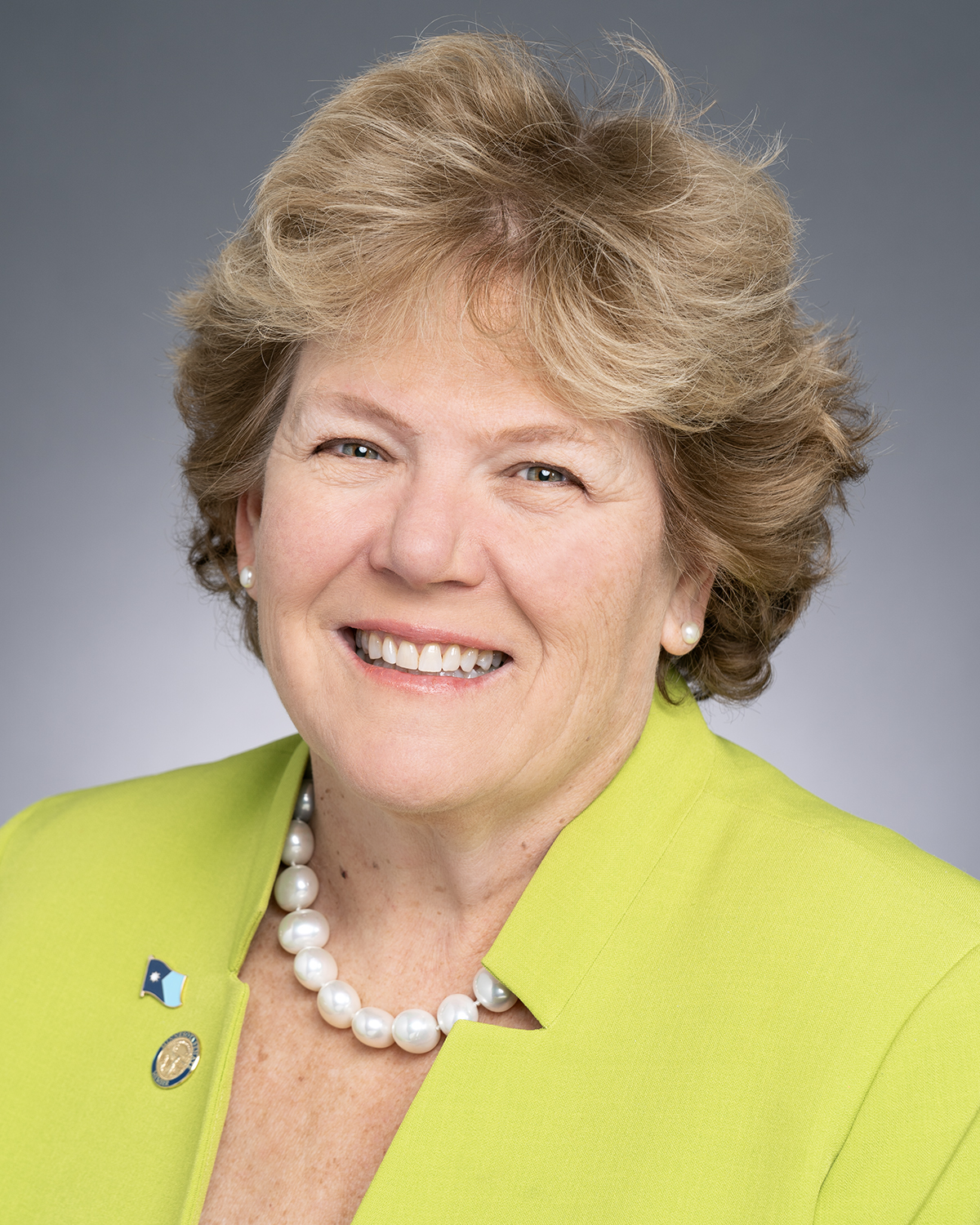
Sen. Ann Johnson Stewart
Sponsored bills
Maddy summaryThis bill designates thermal energy networks as public improvements and waterworks, allowing municipalities in Minnesota to acquire, construct, and maintain these systems alongside existing utilities like water and sewer infrastructure. The legislation amends state statutes to explicitly include thermal energy networks in the list of authorized municipal projects, enabling local governments to build and operate district heating systems as part of their public works responsibilities. By reclassifying these networks under existing legal frameworks for waterworks and public improvements, the bill provides municipalities with the authority to plan, fund, and manage thermal energy distribution without requiring new legislative approvals for each project.
Maddy summaryThis bill requires Minnesota's Department of Transportation to study and implement suicide prevention barriers (like nets or physical structures) for new bridge construction and major reconstructions. It mandates a study by January 2026 to identify high-risk bridges, evaluate barrier options, assess costs, and develop implementation criteria, with input from health, safety, and nonprofit organizations. The department must begin requiring these barriers in bridge projects starting January 2026, report annually on progress, and has $750,000 allocated for study and planning in fiscal year 2026. The policy directly affects all major bridge projects managed by the state transportation department.
Maddy summaryThis bill modifies how coroners and medical examiners handle the personal property of deceased individuals in Minnesota. It allows officials to store, dispose of, or sell items from unknown decedents' estates and provides clearer procedures for returning proceeds to heirs if they claim them within six years. The law also gives coroners and medical examiners more flexibility to surrender property to known relatives or dispose of it to cover reasonable expenses related to care and sale. These changes directly affect county coroners, medical examiners, and the families of deceased individuals whose belongings come into official custody.
Maddy summarySF 3985 modifies Minnesota's school bus safety rules. It requires drivers to stop at least 20 feet away from a school bus displaying flashing red lights until the stop arm retracts. The bill also mandates that all school buses obtain a USDOT number for inspection tracking and allows school buses to be used on public roads for driver training purposes. These changes directly affect school districts, bus operators, and drivers approaching school buses.
Maddy summaryThis bill requires Minnesota agencies and inspectors to accept specific, recent evidence when checking if subsurface sewage treatment systems are working properly. It mandates that officials use the most reliable data available from the last two years, such as lab-tested groundwater results or measurements of the water table depth, to make compliance decisions. The law also ensures that property owners receive at least 90 days' notice of their rights before being told their system is non-compliant. Directly affecting local governments and system owners, the measure aims to standardize how sewage system inspections are conducted across the state.
Maddy summaryThis bill creates a new grant program in Minnesota to help counties, cities, and housing authorities build denser housing and support local economic growth. The state would provide up to 50 percent of the funding for site preparation and necessary public infrastructure, such as water, sewer, and street improvements, while local partners must cover the remaining costs. Grants are restricted to projects that address shortages of workforce or affordable housing and are explicitly excluded from single-family home developments. To receive funding, applicants must demonstrate that their projects will attract significant private investment, benefit the local economy, and hire local workers, with the state retaining the right to cancel grants if projects are not completed within five years.
Maddy summaryThis bill makes three main changes to local government procedures in Minnesota. First, it requires candidates for the Three Rivers Park District board to file an economic interest disclosure statement with Hennepin County. Second, it modifies how the Hennepin County medical examiner is selected by creating a Medical Examiner Board that reviews and ranks qualified applicants before the county board makes an appointment. Third, it updates election procedures for the Rochester school board to allow the district to use either district-based or at-large elections and to rotate candidate names on ballots to reduce incumbent bias. These changes directly affect the Three Rivers Park District, Hennepin County officials, and the Rochester Independent School District.
Maddy summarySF 2689 modifies Minnesota's Medicaid fraud laws to strengthen enforcement. It expands the attorney general's subpoena authority to obtain financial records, phone records, and other relevant data during fraud investigations. The bill also updates criminal penalties: fraud involving claims over $35,000 could result in up to 20 years in prison, while fraud between $5,000 and $35,000 carries up to 10 years. These changes directly affect Medicaid providers, fraud investigators, and the state's ability to prosecute false claims under Chapter 256B. The bill repeals Minnesota Statutes section 609.466 and amends related statutes to clarify enforcement procedures.
Maddy summaryThis bill (SF 3693) ensures that Minnesota state legislators who hold local government jobs (like city or county employees) retain all employment benefits during their legislative service. It requires that when they take a mandatory leave of absence for legislative duties, they maintain full seniority, vacation time, health insurance, sick leave, and other benefits as if they were still working. The bill also mandates that their pension and retirement benefits align with those provided to local government employees under existing law. This applies to collective bargaining agreements effective July 1, 2027, and directly affects legislators employed by local governments.