

Maddy summarySF 1040 allocates $500,000 for fiscal year 2026 and $500,000 for fiscal year 2027 from the general fund to support the Greater Minnesota Regional Parks and Trails Commission. This funding enables the commission to carry out its existing duties under Minnesota Statutes section 85.536, which relates to regional park and trail planning. The bill directly affects the commission and its ability to manage regional park and trail projects across Greater Minnesota.
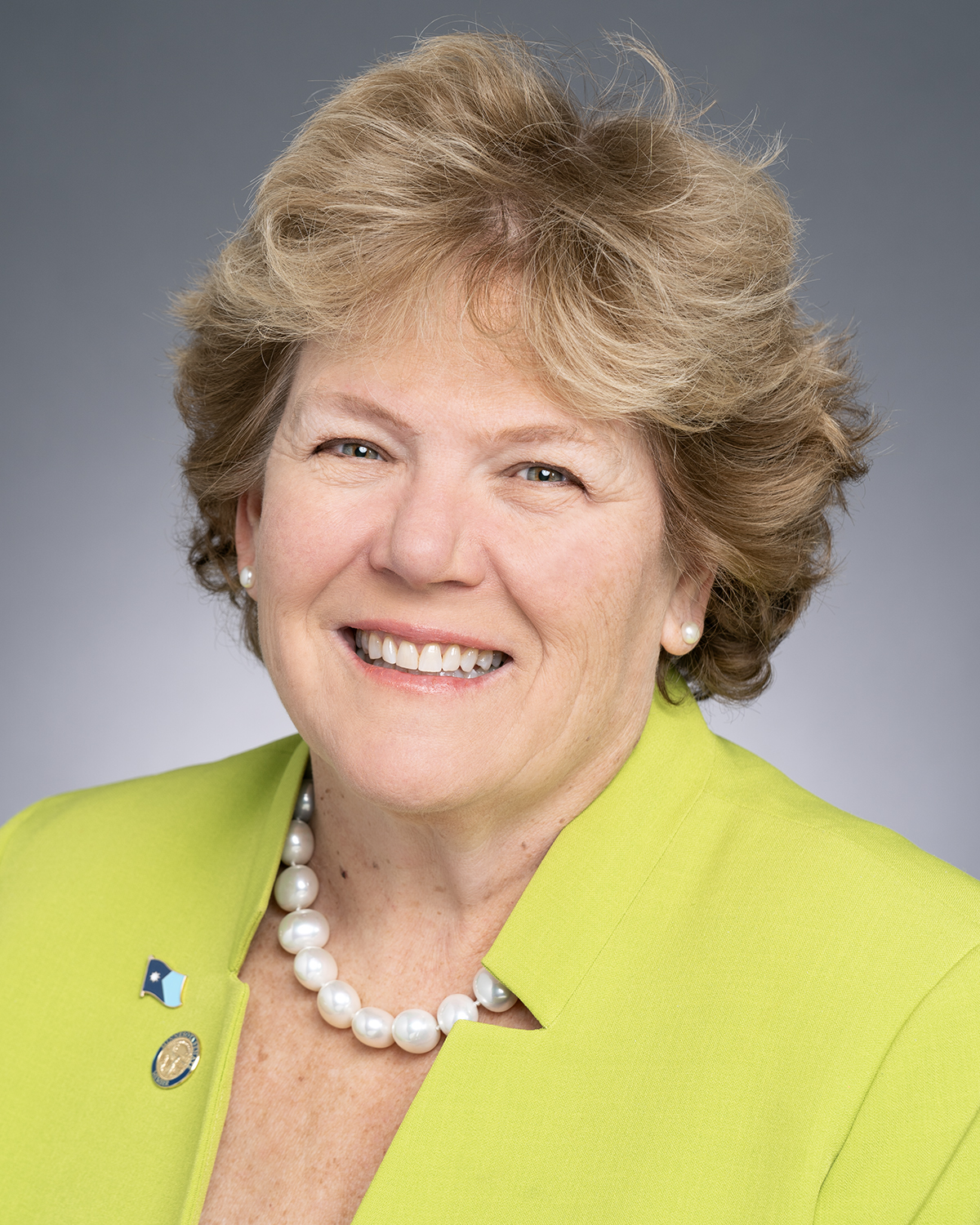
Sen. Ann Johnson Stewart
Sponsored bills
Maddy summarySF 1039 appropriates $25.8 million for 2026 and $26.9 million for 2027 from the parks and trails fund to the commissioner of natural resources for state parks, recreation areas, and trails. It also allocates $12.9 million for 2026 and $13.46 million for 2027 for regional park and trail grants outside the metro area, requiring projects to meet regional significance criteria and align with the Greater Minnesota Regional Parks Commission's strategic plan. Additionally, $652,000 for 2026 and $679,000 for 2027 funds coordination between agencies, web improvements, and the Parks and Trails Legacy Advisory Committee. The bill extends project funding deadlines for specific trails like the Cannon Valley Trail and Spirit Mountain Recreation Area through June 2027. This bill directs existing fund resources to park maintenance, land acquisition, regional projects, and administrative coordination without creating new policy.
Maddy summarySF 1903 requires Minnesota driver education programs and the state driver's manual to include specific work zone safety information. It mandates that all new driver education courses teach safe speeds in work zones, proper driver duties when entering/exiting work zones, dangers of distracted driving there, work zone markings, and safe merging practices. The bill also adds work zone safety topics - including speed limits, markings, and distracted driving risks - to the written driver's license examination. This affects all new drivers (through education) and all license applicants (through testing), directly impacting how driving safety is taught and assessed in Minnesota.
Maddy summarySF 2094 amends Minnesota traffic laws to improve pedestrian and cyclist safety. It broadens the definition of "crosswalk" to include non-intersection paths on trails and bikeways, and requires local governments to post 25 mph signs in residential areas and 35 mph signs in rural residential zones. The bill also clarifies that drivers must yield to pedestrians in marked crosswalks and at unmarked intersections. These changes directly affect pedestrians, cyclists, drivers, and local road authorities responsible for traffic signage.
Maddy summarySF 1247 modifies pesticide regulations to protect wild rice waters in Minnesota. It requires a "wild rice risk justification" before certain pesticide permits are issued, prohibits watercraft operations threatening uncultivated wild rice beds, and mandates maintaining official maps of wild rice waters. The bill also amends statutes to direct the Department of Natural Resources to develop a pesticide management plan specifically addressing wild rice waters, coordinate with Minnesota Tribal governments, and deposit penalty funds into a pesticide regulatory account. This directly affects pesticide users (farmers, applicators), state agencies, and Tribal governments, with the goal of preventing pesticide contamination in wild rice habitats.
Maddy summaryThis bill modifies permitting timelines and processes for publicly owned wastewater treatment facilities in Minnesota. It sets a goal of issuing or denying tier 2 permits (which require public comment) within 210 days of application submission, while requiring a minimum 60-day public comment period (reducible to 30 days with agency approval). The bill mandates annual reports tracking permitting efficiency, including reasons for missed deadlines (like public engagement or staff shortages), and requires electronic permit submissions. It directly affects wastewater treatment plant operators seeking permits, aiming to streamline agency reviews without changing environmental standards.
Maddy summarySF 2812 appropriates $1 million for fiscal year 2026 and $1 million for fiscal year 2027 from the arts and cultural heritage fund to support Minnesota's thoroughbred racing culture. The funding is directed to the commissioner of administration for grants to a licensed Class A racetrack that primarily conducts thoroughbred and quarter horse racing under Minnesota Statutes, chapter 240. The bill requires these grants to expand opportunities for Minnesota racehorses at the racetrack. This directly affects licensed racetracks meeting specific criteria, with no broader public impact specified.
Maddy summaryThis bill appropriates $2 million from Minnesota's arts and cultural heritage fund to the 2026 Special Olympics USA Games organization. The funding supports celebrating Minnesota's arts and cultural heritage during the 2026 event, including the design and construction of the Special Olympics Cauldron. It directly affects the Special Olympics USA Games organization by providing grant money for specific event-related activities. The bill is a straightforward funding measure with no policy changes beyond the allocation.
Maddy summaryThis bill modifies Minnesota's requirements for publishing public notices. It requires local governments to post notices online on their own websites and the Minnesota Newspaper Association's statewide public notice website when no qualified newspaper is available for publication. The online posting must continue until a qualified newspaper can be identified, with no additional cost to the local government. This change applies to public notices mandated by law, rule, or ordinance.
Maddy summarySF 2093 requires Minnesota IT Services to integrate Metro Transit's transit assistance program into the state's Minnesota Benefits Web Portal by December 31, 2025. This integration will allow residents applying for benefits like food assistance or cash aid to also access transit assistance through the same online portal, without changing how applications are processed. The bill appropriates funds for this integration in fiscal year 2026, with the commissioner required to consult with Metro Transit, the Metropolitan Council, and relevant state agencies. The bill directly affects low-income residents using transit assistance and the agencies administering the program.