

Maddy summarySF 2415 establishes the Companion Animal Board to promote the welfare of cats, dogs, and other nonagricultural pets (like rabbits, ferrets, and small reptiles) in Minnesota. The board, composed of 13 appointed members representing veterinarians, local communities, animal shelters/rescues, breeders, and mental health professionals, will administer related laws and issue rules. It transfers duties from other entities to this new board and authorizes funding for its operations, while explicitly excluding agricultural animals, wildlife, and veterinary medicine oversight. The bill directly affects pet owners, animal shelters, rescues, and breeders by creating a dedicated state body for companion animal welfare.
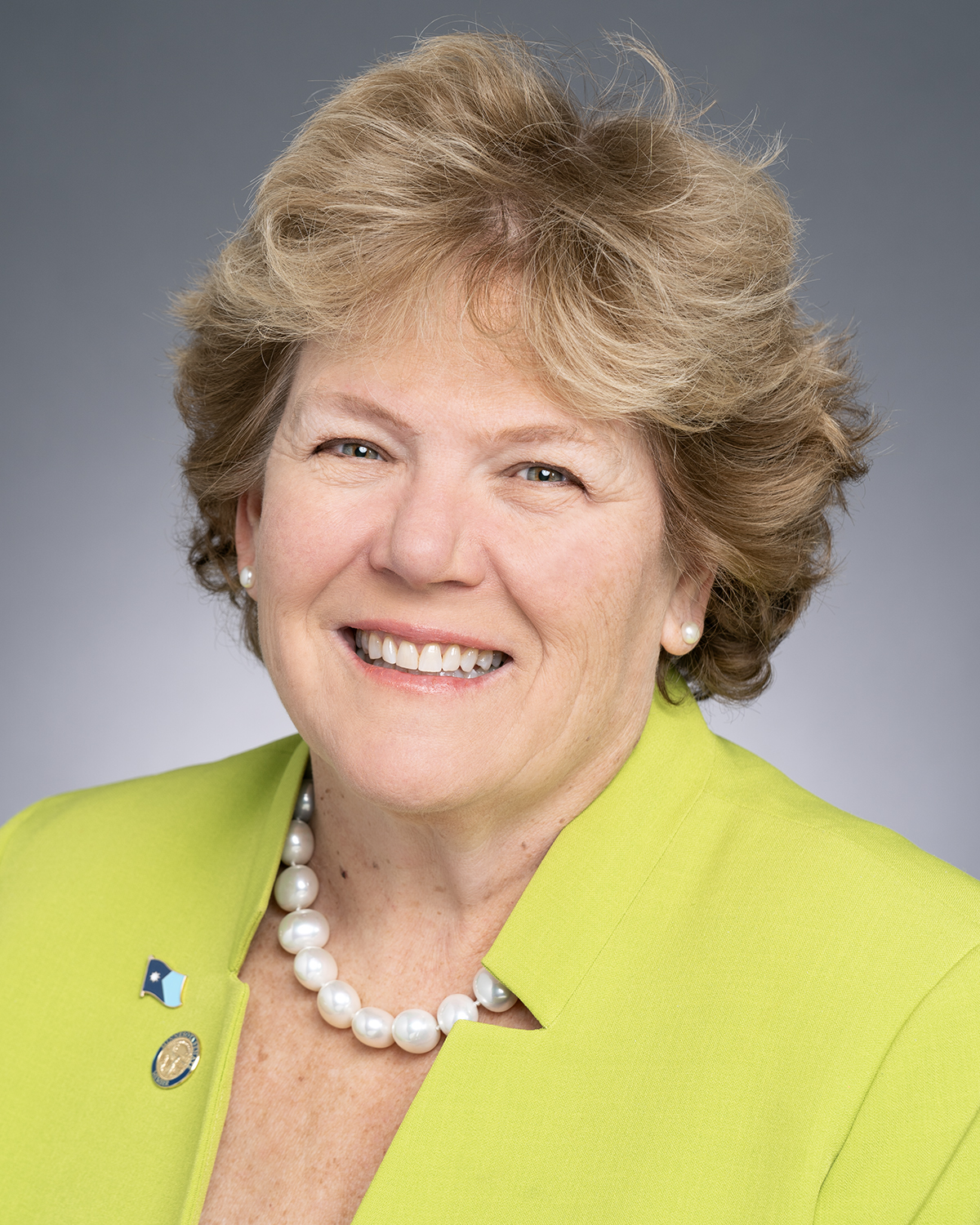
Sen. Ann Johnson Stewart
Sponsored bills
Maddy summarySF 3498 directs the Metropolitan Council to allocate 3.7% of regional transportation sales tax revenue collected in the metro area to SouthWest Transit. This amendment to Minnesota Statutes section 473.4465 specifically requires the Council to share this fixed percentage of funds with SouthWest Transit as a replacement service provider. The bill does not create new funding streams but mandates a specific allocation of existing tax revenue for SouthWest Transit's operations. It directly affects SouthWest Transit's funding from the regional transportation sales tax.
Maddy summarySF 3479 proposes adding a new constitutional amendment to Minnesota's state constitution. If approved by voters in 2026, it would guarantee all people equal rights under Minnesota law and prohibit state discrimination based on race, color, national origin, ancestry, disability, or sex - including protections for pregnancy decisions, gender identity, and sexual orientation. The amendment requires state actions that limit rights to be the "least restrictive means" of achieving a compelling government goal. This constitutional change would apply to all state agencies and political subdivisions, taking effect January 1, 2027, if ratified. It does not replace existing anti-discrimination laws but adds a new constitutional standard.
Maddy summarySF 2196 allows Minnesota municipalities to charge developers a street impact fee based on a subdivision's net buildable acreage, transportation impact, or local transportation plan. The fees must be placed in a special fund exclusively for street, road, and transportation infrastructure projects. The bill requires fees to be proportional to the development's impact and prohibits municipalities from forcing applicants to waive legal challenges to fee amounts. It also establishes a process where disputed fees can be held in escrow while an appeal is reviewed under state law.
Maddy summaryThis bill appropriates $5,167,000 from state bonds to fund infrastructure upgrades in Minnetonka Beach. The funds will directly support the city's replacement of aging water distribution systems, sanitary sewers, storm sewers, and city streets through design, engineering, construction, and equipment. The state will issue bonds to cover the cost under Minnesota’s bond authorization laws, with the money flowing to Minnetonka Beach’s Public Facilities Authority. The bill does not change state law but enables specific local infrastructure improvements.
Maddy summarySF 3327 proposes a constitutional amendment requiring a two-thirds vote in both the Minnesota House and Senate to approve public funding for professional sports facility construction or renovation. This bill directly affects future legislation related to public funding for venues like stadiums or arenas used by professional sports teams. If passed by voters, it would change the Constitution to mandate this higher voting threshold instead of a simple majority. The amendment must be submitted to voters in the 2026 general election with the question: "Shall the Minnesota Constitution be amended to require a two-thirds supermajority vote of the legislature to authorize public funding for a professional sports facility?"
Maddy summaryThis bill modifies electric vehicle registration surcharges in Minnesota. It increases the annual surcharge for all-electric vehicles from $75 to $100 and adds a new $25 surcharge for plug-in hybrid electric vehicles. Both surcharges will automatically adjust every three years based on changes to the gasoline excise tax, rounded to the nearest $5 increment. Revenue from these surcharges funds the Transportation Impact Assessment and Mitigation Account, which supports highway safety projects and infrastructure. The changes apply to vehicle registrations starting August 1, 2025.
Maddy summarySF 2162 allows cities and counties to adopt approved alternative road design standards for state-aid projects without needing state variance approvals. Local road authorities can use specific guides like AASHTO's highway standards or NACTO's urban design guides, eliminating the need for state review of designs meeting these standards. The bill requires the state commissioner to notify legislators within 30 days if a variance is denied, including the advisory committee's reasoning. This directly affects local governments managing road projects by streamlining design approvals while maintaining safety standards for nonmotorized transportation.
Maddy summaryThis bill appropriates $1.5 million from the general fund for Minnesota's "Lawns to Legumes" program in fiscal year 2026. The funding, available until June 30, 2029, supports the Board of Water and Soil Resources in replacing traditional lawns with legume-rich plantings that improve soil health and support pollinators. The program will partner with local governments, Metro Blooms, and other organizations to implement this initiative. It directly affects landowners participating in the program and local entities managing public or private green spaces.
Maddy summaryThis bill increases the annual surcharge for all-electric vehicles from $75 to $200 and adds new surcharges for plug-in hybrid electric vehicles ($100), all-electric motorcycles ($40), and plug-in hybrid electric motorcycles ($20). The surcharge amounts will adjust each year based on changes to the gasoline excise tax rate, calculated by multiplying the current surcharge by (1 + the percentage increase in gasoline tax). All revenue from these surcharges will fund Minnesota's highway user tax distribution fund. The bill directly affects owners of these specific electric vehicle types when registering their vehicles.