

Maddy summarySF 3748 prohibits motorized watercraft operation in or near uncultivated wild rice beds to protect these ecologically and culturally significant areas. Specifically, it bans motorboats from entering wild rice beds (only hand-propelled vessels like canoes are allowed within beds) and restricts operation at speeds exceeding "slow-no-wake" within 150 feet of such beds. The bill directly affects recreational and commercial watercraft operators in Minnesota waters containing uncultivated wild rice, which are often found in lakes and rivers. These provisions amend Minnesota Statutes 2024, section 86B.311, to add explicit protections for wild rice habitats.
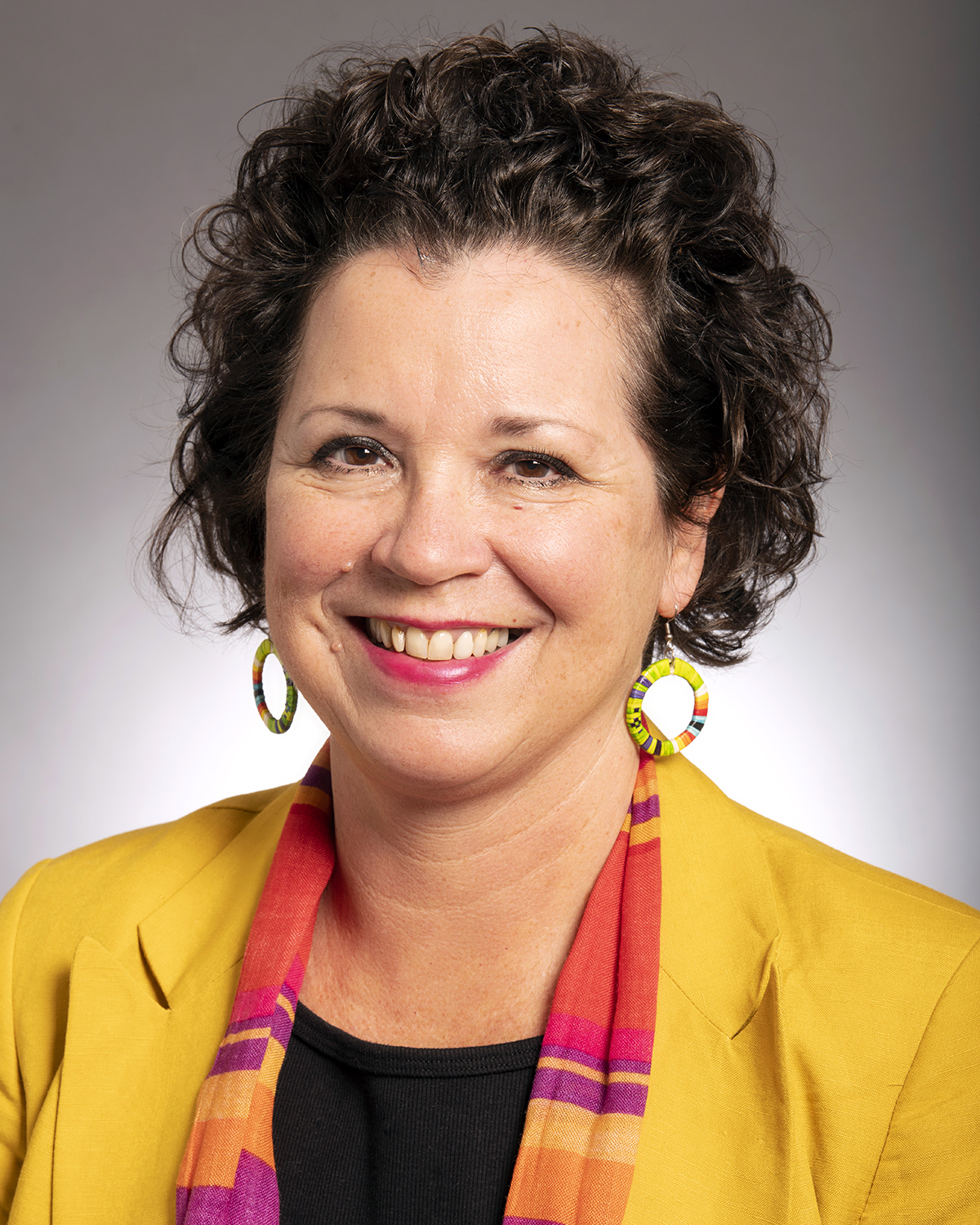
Sen. Mary Kunesh-Podein
Sponsored bills
Maddy summaryThis bill modifies Minnesota's law against concealing one's identity in public places. It allows wearing masks or disguises for reasons like weather protection, smoke or harmful fumes, medical treatment, or entertainment - expanding previous exceptions. It specifically exempts law enforcement officers from this rule when: (1) working undercover and anonymity is needed for safety or investigation integrity, or (2) using face masks as part of a tactical team to prevent facial injury. The law directly affects the general public and law enforcement officers during specific official duties.
Maddy summaryThis bill adds the Minnesota Board on Aging to the list of state agencies required to consult with Minnesota Tribal governments on matters affecting them. It amends Minnesota Statutes section 10.65 by including the Board on Aging in the statutory definition of "agency," alongside departments like Health and Education. This means the Board on Aging must now follow existing government-to-government consultation procedures when developing policies with tribal implications. The change directly affects tribal nations by expanding the scope of state entities obligated to engage them, and affects the Board on Aging by requiring it to comply with these consultation standards. The bill does not create new policy but clarifies which state entities must consult under current law.
Maddy summaryThis bill appropriates $808,000 from the general fund for the Lower Sioux Indian Community in Redwood County to fund the predesign and design work for a Dakota language immersion public charter school serving birth through grade 4. The funds are a one-time allocation for planning and design only, not construction, and must be used within fiscal year 2027. The school will be a public charter school under Minnesota law, directly affecting the Lower Sioux Indian Community and students in the targeted age range.
Maddy summaryThis bill extends time limits for Columbia Heights' Alatus Tax Increment Financing (TIF) district, a tool to fund local development by capturing future property tax growth. It extends the initial five-year period to ten years and the subsequent use of tax increments to 11 years under state law. The city or its economic development authority may also choose to extend the TIF district's total duration by five additional years. These changes specifically apply to the Alatus TIF district in Columbia Heights and take effect after required local compliance with state procedures.
Maddy summaryThis bill authorizes Minnesota cities and counties to adopt ranked choice voting (RCV) for local elections, such as mayoral or city council races. It establishes procedures for local jurisdictions to implement RCV, including rules for how voters rank candidates and how votes transfer if no candidate receives a majority. The bill also permits local governments to use electronic voting systems with reallocation features and creates new definitions and voting procedures under Chapter 204E of Minnesota law. It does not require RCV adoption but provides the legal framework for jurisdictions that choose to implement it.
Maddy summarySF 1311 requires charter schools and their authorizers (the organizations that oversee them) to publish specific financial details online. The bill mandates that charter schools submit annual budgets to the state commissioner and post school budgets on their public websites, aligning with existing rules for traditional public schools. It also requires both charter schools and authorizers to publish their annual state and federal tax filings on their public websites. These requirements aim to increase financial transparency for parents, students, and the public regarding how charter school funds are managed.
Maddy summaryHF 2184 exempts the Office of Ombudsperson for American Indian Families from paying court fees when accessing court systems. This directly affects the office, allowing it to operate without incurring these costs for its services. The key provision removes a specific fee requirement that previously applied to the office, streamlining its ability to support American Indian families. The bill became law on April 30, 2025, and took effect on August 1, 2025.
Maddy summaryBased on the provided bill text, the specific policy changes or mechanisms of HF 5 are not described in the excerpt. The bill is titled as a comprehensive K-12 education finance and policy bill affecting areas like general education, teachers, charter schools, special education, and school nutrition, but the actual amendments to statutes (listed in sections 1.7-1.37) are not detailed in the text provided. Without specific provisions or changes outlined, a substantive summary of what the bill does cannot be generated from this context. The bill's title and scope are mentioned, but its concrete policy effects are not described in the given material.
Maddy summarySF 5 amends Minnesota's school attendance policy to expand valid reasons for excused absences. It specifically adds telehealth appointments, ongoing mental health treatment, and military family emergencies as approved reasons for students to miss school. This change directly affects students, families, and school districts by broadening existing exemption rules beyond physical health appointments. The bill is part of a larger omnibus education funding and policy package, but this provision focuses on updating attendance eligibility criteria.