

Maddy summaryThis bill expands Minnesota's behavioral health fund by allowing it to cover uncollectible debt from withdrawal management services when clients cannot pay, while also extending eligibility for behavioral health services to certain populations. It establishes specific criteria for identifying uncollectible debt, such as services provided by eligible vendors to clients who were ineligible for fund coverage at the time, and prohibits requiring programs to attempt payment plans or refer debts to collection agencies. The legislation also authorizes counties to temporarily handle administrative functions related to the behavioral health fund, adjusts funding for withdrawal management grants, and modifies treatment rates for adolescents with substance use disorders. These changes aim to improve access to treatment and stabilize funding for providers while maintaining financial accountability.
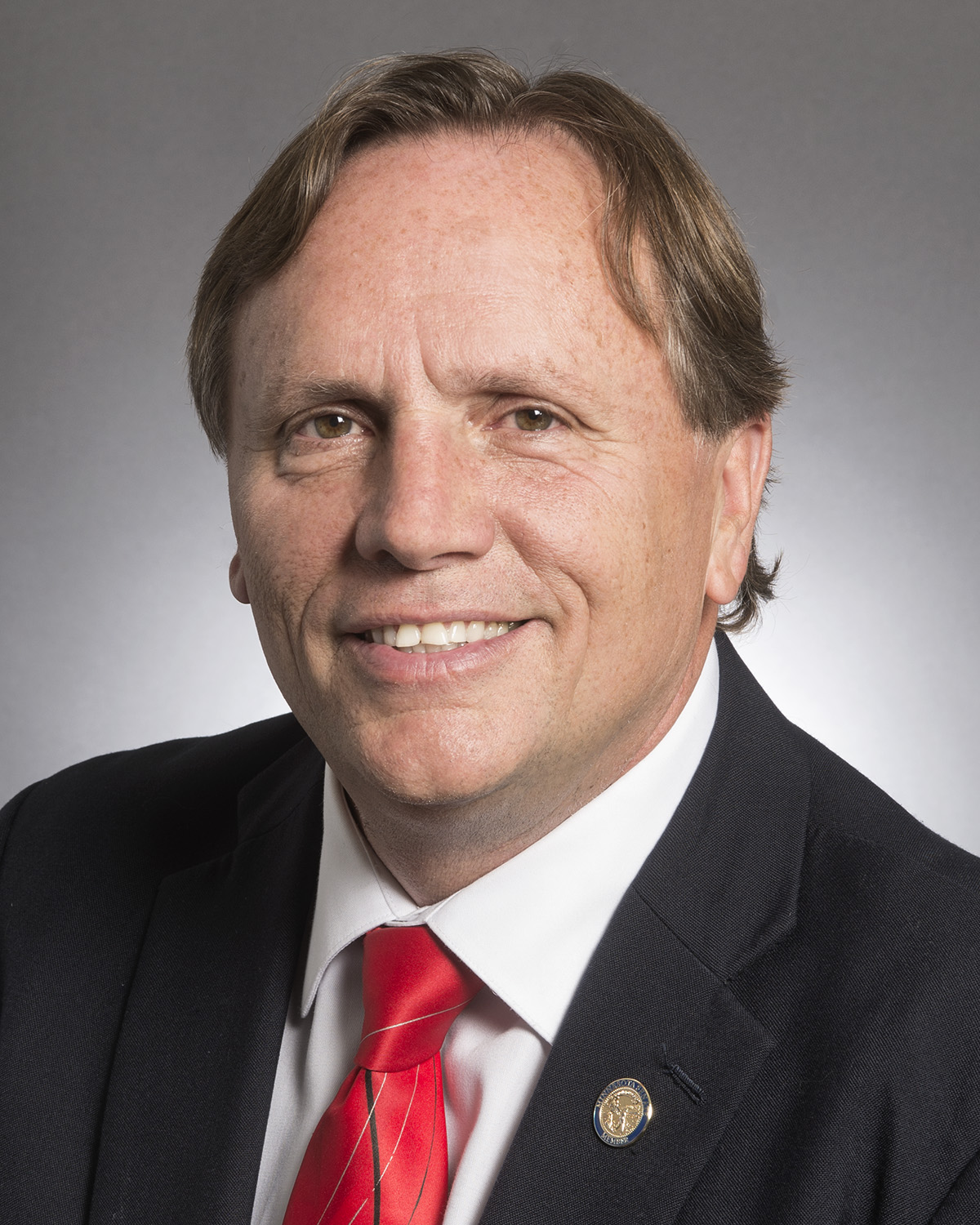
Sen. Jim Abeler
Sponsored bills
Maddy summarySF 3548 requires all high school and middle school athletic coaches and assistant coaches in Minnesota school districts and charter schools to complete current cardiopulmonary resuscitation (CPR) and automated external defibrillator (AED) training starting in the 2027-2028 school year. Coaches must maintain this training by renewing it at least once every two years, following nationally recognized emergency cardiovascular care guidelines. The bill also provides legal protection for coaches who perform CPR or use an AED in their coaching duties, shielding them from civil liability except in cases of gross negligence or willful misconduct. This policy directly affects school athletic staff by mandating specific life-saving training to enhance emergency response preparedness.
Maddy summarySF 4021 repeals a provision requiring a $250 million automatic reduction in special education aid appropriations for Minnesota's 2027-2028 biennium and each subsequent biennium, unless the legislature enacts a new education budget. This repeal prevents the state from applying this planned cut without new legislative action, ensuring full special education funding remains available. The bill directly affects Minnesota school districts and students receiving special education services by eliminating a scheduled funding reduction. It does not change current funding levels but removes a future reduction that was part of existing law.
Maddy summarySF 2972 amends Minnesota law to clarify who counts as a "controlling person" or "controlling individual" when for-profit entities acquire nursing homes or assisted living facilities. It specifically defines these terms to include private equity firms and other entities that collect capital investments from investors, even if no single person holds 5% ownership. The bill excludes banks, government entities, and small shareholders (under 5% ownership) from these definitions. This change ensures regulatory oversight targets actual controlling owners rather than passive investors, directly affecting for-profit facility operators and their ownership structures.
Maddy summaryThis bill modifies Minnesota's public assistance eligibility rules for individuals convicted of certain drug offenses. It specifies that people convicted of a felony-level drug offense within the past ten years may face requirements like receiving benefits in vendor form for housing/utilities and undergoing random drug testing. If testing positive for illegal substances, counties must provide referrals to substance use disorder treatment programs. The bill explicitly excludes cannabis-related convictions from these restrictions.
Maddy summaryThis bill requires school employees in Minnesota to deny entry to immigration enforcement officials unless they present a valid judicial warrant, limiting access to only the areas specified in that warrant. It mandates that school staff immediately notify their district superintendent or legal representative whenever an immigration enforcement official is granted access to a school site. The law applies to all federal, state, and local officials conducting immigration enforcement but explicitly allows entry by officials administering state or federally supported educational programs. The provision takes effect the day after final enactment and includes a severability clause to ensure remaining parts of the law stay valid if any section is found unconstitutional.
Maddy summaryThis bill allows Minnesota counties to create local rules permitting residents to keep up to 24 chickens on their property. It amends state feedlot zoning laws to explicitly authorize counties to approve this number of chickens per lot through their own ordinances. The legislation does not mandate that counties allow chickens but gives them the authority to permit them if they choose to include such provisions in their local regulations. This change affects rural and suburban areas where feedlot zoning ordinances apply, giving local governments more flexibility in managing small-scale poultry keeping.
Maddy summaryThis bill modifies due process procedures for home and community-based residential services in Minnesota, primarily affecting individuals and entities that receive or provide services funded by medical assistance. It establishes new rules for imposing sanctions, including mandatory five-year program suspensions for those convicted of health service-related crimes and the authority to recover investigative costs from those who knowingly submit false reimbursement claims. The legislation also clarifies that billing errors resulting from unintentional overcharges cannot be used to justify cost recovery, while maintaining requirements for prior notice and hearings before most sanctions are applied, except in cases involving criminal convictions or credible fraud allegations where immediate payment suspension may occur.
Maddy summaryThis bill establishes new levy limits for cities and counties in Minnesota, taking effect for property taxes payable in 2027 and beyond. It changes how the base for property tax limits is calculated, using the final certified levy from the previous year instead of historical data, and adjusts the limit based on changes in the implicit price deflator rather than household growth or new construction values. The bill also modifies the process for approving additional levies above the limit, allowing local governments to pass such levies through a unanimous vote of their governing body with public notice, replacing the previous requirement for a voter referendum. Local governments must post the resolution and hearing notice on their website and in a local newspaper for two weeks before the public hearing.
Maddy summaryThis bill requires Minnesota municipalities to hold at least two public hearings before approving the construction of new data centers. The legislation mandates that specific information about the proposed facility be disclosed to the public at least 48 hours before each hearing, including details about the applicant, the end user, the site location and size, security guard arrangements, and utility requirements. These disclosure rules apply regardless of any private agreements that might otherwise restrict information sharing. The law takes effect on August 1, 2026, and applies to data center agreements entered into on or after that date.