

Maddy summaryThis bill prohibits the construction of new public or charter schools within one-quarter mile of certain former landfills or dump sites. It directly affects school districts planning new facilities by banning construction on land near sites listed by the Pollution Control Agency as potentially contaminated or identified in a 2001 study. Key provisions define "closed landfill" and "dump site" and specify that the prohibition covers school buildings, playgrounds, and athletic fields. The law takes effect July 1, 2025.
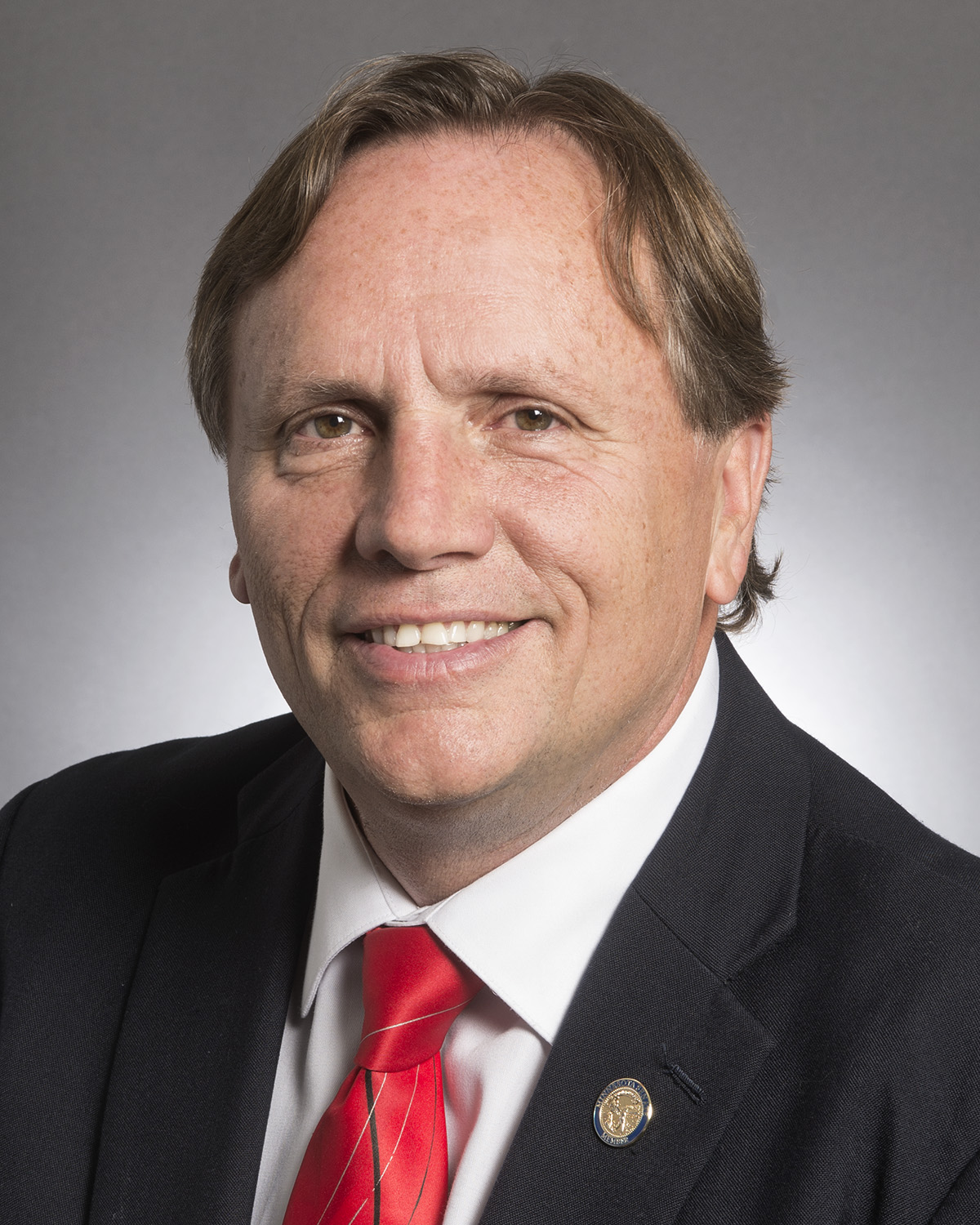
Sen. Jim Abeler
Sponsored bills
Maddy summaryThis bill appropriates $650,000 for fiscal year 2026 and $650,000 for fiscal year 2027 from the arts and cultural heritage fund to the Minnesota Children's Museum. The funds are designated to create new hands-on learning opportunities and expand the museum's community outreach across Minnesota. The bill directly affects the Minnesota Children's Museum, which will receive the grant to support these specific programs. It does not change existing laws but allocates state funding for the museum's educational initiatives.
Maddy summaryThis bill appropriates $1.995 million for fiscal year 2026 and $2.071 million for fiscal year 2027 from the general fund to the Minnesota Board on Aging. It adds four specific staff positions: one for federal compliance and technical assistance to area agencies on aging, one for Older Americans Act policy development, two for Senior LinkAge Line service demands, and 18 additional contact center staff for area agencies. These funds directly support the Board on Aging, seven area agencies on aging, and the Senior LinkAge Line program. The appropriation increases staffing capacity to meet growing service needs and ensure compliance with federal requirements.
Maddy summarySF 1826 establishes specific payment rates for substance use disorder treatment services funded through Minnesota's behavioral health fund. It sets daily rates for different care levels (e.g., $79.84 for ASAM level 0.5 early intervention, $224.06 for ASAM level 3.5 residential care) and defines eligible services like outpatient treatment, medication-assisted therapy, and withdrawal management. The bill also creates enhanced payment rates for programs serving parents with children (requiring on-site or verified off-site childcare), culturally specific programs, and disability-responsive services. These rates directly affect licensed treatment providers receiving state funding under the behavioral health fund. The changes aim to standardize payments while incentivizing specialized care models.
Maddy summarySF 1837 clarifies how Minnesota school districts can use state funds for student support personnel (like counselors, psychologists, and nurses). It specifies that these funds can be used to hire new staff, increase part-time positions, make temporary pandemic-related hires permanent, or pay for contracted services from licensed professionals if new hires aren't possible. The bill also allows districts to maintain existing support positions if they provide assurance they would otherwise be eliminated. This applies to school districts, charter schools, and cooperative education units using state aid for student support services. The changes take effect for fiscal year 2025 and later.
Maddy summaryMinnesota Senate Bill 477 modifies supervision requirements for mental health case managers, behavioral aides, and rehabilitation workers. It allows case managers without a bachelor's degree to qualify through experience (e.g., 3+ years as a case manager associate) instead of education, reduces annual supervision hours from 40 to 38, and permits secure electronic messaging for case management contacts. The bill also exempts certain residential treatment providers from client rights requirements and adjusts critical incident reporting timelines for mental health residential programs. These changes directly affect mental health service providers and their staff who deliver care to adults with serious mental illness.
Maddy summaryThis bill authorizes the state to issue up to $16.5 million in bonds to fund improvements at the intersection of Trunk Highway 65 and Bunker Lake Boulevard Northeast in Ham Lake. The funds will cover engineering, environmental work, design, land acquisition, and construction of the interchange and associated roads. The project directly affects Ham Lake residents and drivers using this major intersection, with no requirement for local matching funds. The bond proceeds will be deposited into the state's trunk highway fund to finance the project.
Maddy summarySF 1810 requires Minnesota's Human Services Commissioner to update state disability waiver plans by December 2025 to allow billing for certain direct care services when participants travel out of state or attend out-of-state college. Specifically, it would clarify that services like respite, night supervision, and individualized home supports without training can be authorized and billed during these temporary out-of-state stays. This directly affects disability waiver participants who travel or attend school outside Minnesota, ensuring uninterrupted access to covered services. The bill adjusts billing rules to accommodate temporary out-of-state needs without changing the services themselves.
Maddy summaryThis bill appropriates funds from the state general fund for a one-time grant to Union Gospel Mission Twin Cities, a nonprofit organization. The grant will fund the design and construction of a new women and children's family shelter at 376 Western Avenue in St. Paul, and capital improvements at their men's campus at 435 University Avenue East in St. Paul. The appropriation is available until the projects are completed or abandoned. The bill directly affects the organization's ability to expand housing services for vulnerable populations in Minneapolis-St. Paul.
Maddy summarySF 1355 encourages Minnesota school districts and charter schools to provide age-appropriate instruction on healthy aging and dementia to students in grades 6-12. The bill requires the state education commissioner, by July 1, 2026 (and every even-numbered year after), to provide schools with resources covering brain health strategies, Alzheimer's disease information, and elder care for cognitive impairment. These resources must align with local health standards and be integrated into existing school programs. The bill takes effect July 1, 2025, and does not mandate specific curriculum changes but promotes voluntary inclusion of this education.