

Maddy summaryThis bill requires Minnesota's medical assistance program to conduct prepayment reviews of claims from providers designated as high-risk or for specific high-risk services. The commissioner must implement these reviews within 15 days of designation and maintain them for up to 24 months, while ensuring claims are processed according to federal timelines. Providers subject to review can still enroll new clients during the review period, and the commissioner must provide at least 10 days notice before starting any review. Upon ending a review, the commissioner must report to the legislature on any sanctions taken and offer recommendations for modifying or terminating high-risk designations.
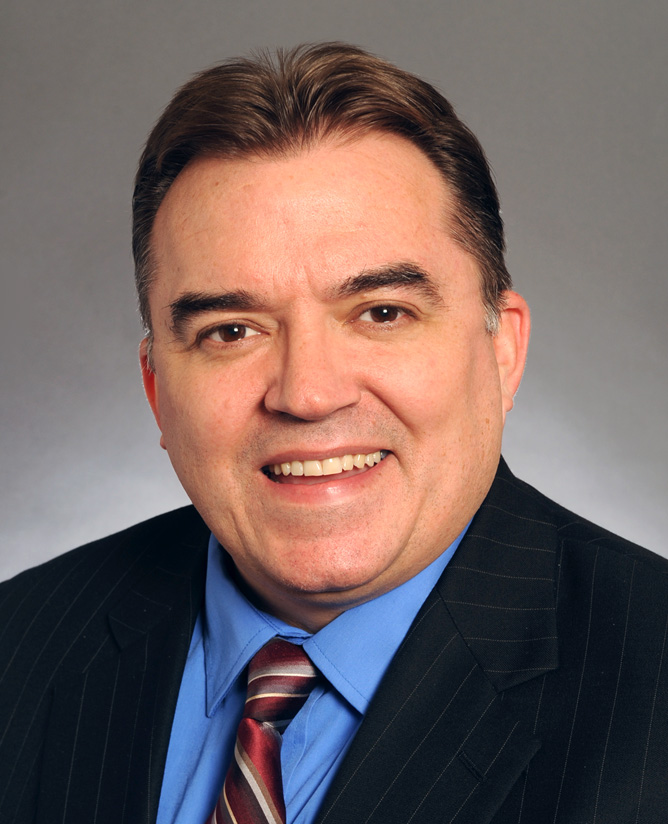
Sen. John Hoffman
Sponsored bills
Maddy summaryThis bill authorizes the City of Mountain Lake to extend the timeline for completing projects in its Tax Increment Financing District No. 1-8. It changes the requirement that development activities must occur within five years to instead allow a three-year period ending April 1, 2029. The legislation also extends the timeframe for using tax increment funds after the five-year period from the 11th year to the 14th year. These changes apply specifically to the city's economic development authority and its designated TIF district.
Maddy summaryThis bill requires transportation network companies in Minnesota to make a portion of their vehicle fleets wheelchair accessible and to adopt nondiscrimination policies for passengers with disabilities. The law mandates that companies pay a $0.28 surcharge per ride for non-accessible trips, with funds deposited into a dedicated account to subsidize wheelchair accessible vehicle services. Companies must also provide annual reports on their accessibility performance and ensure their digital platforms meet Americans with Disabilities Act standards by July 2027. Cities that license these services may waive licensing fees for companies that maintain at least 7.5 percent of their fleet as wheelchair accessible vehicles.
Maddy summaryThis bill requires commercial operators of autonomous vehicles in Minnesota to have at least two wheelchair-accessible vehicles in their fleet within one year of starting operations. It applies to any entity using autonomous vehicles - defined as Level 3, 4, or 5 automation systems - for commercial purposes like transporting passengers or goods. The bill mandates that operators certify compliance to the state commissioner, who can suspend operations if the requirement is not met. This measure ensures accessibility for wheelchair users in the emerging autonomous vehicle industry.
Maddy summaryThis bill clarifies and strengthens the Minnesota Department of Human Services commissioner's authority to impose sanctions and recover funds from individuals or entities that receive medical assistance payments or provide goods and services paid for by medical assistance. It directly affects healthcare providers, billing entities, and other recipients of state medical assistance funds by establishing clearer rules for penalties and financial recovery. Key provisions allow the commissioner to suspend or terminate program participation, withhold payments, impose fines, and recover improperly paid funds, including interest on installment payments. The bill also mandates a minimum five-year suspension for those convicted of health service-related crimes and allows the commissioner to recover investigative costs for willful false claims while excluding unintentional billing errors from cost recoupment.
Maddy summaryThis bill allocates $350,000 from the state's general fund in fiscal year 2027 to support a pilot program for Thrive Family Recovery Resources. The funding will enable the organization to provide peer services, education, resource navigation, and general support to families affected by substance use disorder. By January 20, 2027, the commissioner of human services must submit a report evaluating the pilot program's results and offering recommendations for potential ongoing funding. This is a one-time appropriation, meaning the money is not designated for future years unless additional legislation is passed.
Maddy summaryThis bill modifies Minnesota's human services laws to exempt counties classified as economically distressed from paying their share of costs for certain mental health and substance use disorder services. A county is considered economically distressed if more than 15 percent of its population lives in poverty and over 70 percent of its land area is exempt from property taxation. The legislation also appropriates new funding for opioid overdose prevention, traditional healing practices for American Indians, safe recovery sites, and child protection services related to addiction. These changes directly affect county governments, the state Department of Human Services, and communities struggling with substance use disorder and economic hardship.
Maddy summaryThis bill modifies location requirements for small assisted living facilities in Minnesota, specifically those licensed to hold six or fewer residents, and adjusts rules for licensed residential programs. It prevents new facilities from being located within 650 feet of existing small facilities unless special exceptions are met, such as when the site is in a hospital, has zoning approval, or receives a certificate of need from the commissioner. The legislation also requires the commissioner to notify local municipalities within ten days of issuing a new license for these facilities and allows the commissioner to delegate inspection authority to county agencies and local governments. Additionally, the bill updates how the commissioner evaluates applications by considering an applicant's compliance history and proximity to other similar facilities before granting licenses.
Maddy summaryThis bill allows nursing homes, boarding care homes, and assisted living facilities in Minnesota to serve and display alcoholic beverages without needing a separate liquor license. Facilities must notify the state commissioner of health of their intent to serve alcohol and can only do so during events primarily for residents and their guests, with guests required to be accompanied by a resident throughout the service. The alcohol cannot be sold or provided for any payment, and facilities remain subject to all existing alcohol regulations and enforcement actions.
Maddy summaryThis bill expands Minnesota's behavioral health fund by allowing it to cover uncollectible debt from withdrawal management services when clients cannot pay, while also extending eligibility for behavioral health services to certain populations. It establishes specific criteria for identifying uncollectible debt, such as services provided by eligible vendors to clients who were ineligible for fund coverage at the time, and prohibits requiring programs to attempt payment plans or refer debts to collection agencies. The legislation also authorizes counties to temporarily handle administrative functions related to the behavioral health fund, adjusts funding for withdrawal management grants, and modifies treatment rates for adolescents with substance use disorders. These changes aim to improve access to treatment and stabilize funding for providers while maintaining financial accountability.