

Maddy summarySF 1023 requires health insurance plans in Minnesota to cover medically necessary treatments for inherited metabolic diseases, including medical foods and low-protein modified food products. This directly affects individuals diagnosed with conditions like phenylketonuria (PKU) and their health insurance providers. The bill mandates that coverage cannot include special limitations such as cost-sharing, prior authorization, or delays specific to these treatments, requiring them to be covered similarly to other plan benefits. It defines "inherited metabolic disease" as a condition caused by an inherited metabolic abnormality and specifies "medical foods" as specially formulated products for dietary treatment under physician direction. The law applies to all health plans and aligns Medicaid coverage for these treatments with the same requirements.
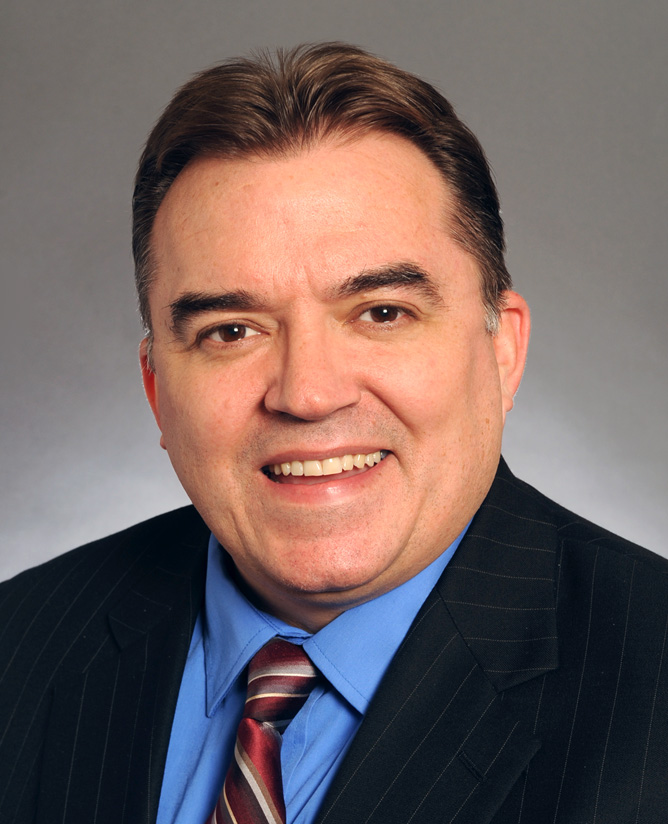
Sen. John Hoffman
Sponsored bills
Maddy summarySF 1027 modifies property tax exemptions for airport facilities in Minnesota. It creates a 50% reduction in taxable value for specific airport properties (like hangars and passenger areas) located in cities with populations between 50,000 and 150,000 that are not operated by the Metropolitan Airports Commission. This tax reduction applies to property taxes payable from 2026 through 2037. The bill directly affects airport operators and property owners in qualifying mid-sized cities by lowering their property tax burden for eligible facilities.
Maddy summarySF 1056 requires all Minnesota school district advisory committees to comply with Chapter 13D (the state's open meeting law) and provide public notice of all regular and special meetings. This bill directly affects school district advisory committees, which are responsible for community input on curriculum, academic standards, and equity initiatives. The key provision mandates that these committees, including any subcommittees, must follow public meeting procedures and publicly announce meeting times and locations in advance. The bill does not change the committees' composition or duties, only their meeting transparency requirements.
Maddy summarySF 1111 requires transportation network companies (like Uber or Lyft) operating in Minnesota to make vehicles wheelchair accessible and adopt specific nondiscrimination policies. It mandates a 15-cent surcharge per inaccessible ride (paid monthly by companies), with funds going to a dedicated wheelchair-accessible vehicle services account. Companies must ensure digital networks are accessible by January 1, 2026, and submit annual reports detailing wheelchair-accessible ride availability, denials, and service improvements. The bill also prohibits additional fees for service animals or companions and requires clear fare displays before ride confirmation. These provisions directly affect ride-hailing companies and aim to improve mobility access for people with disabilities.
Maddy summaryThis bill authorizes $12 million in state bonds for capital improvements to public water access points and boating facilities on Minnesota's public waters, managed by the Department of Natural Resources. It also allocates $17.8 million in bonds for capital upgrades to state fish hatcheries, including up to $3 million specifically for planning and designing a new St. Paul hatchery facility in the metro area with research and education capabilities. The funds will be drawn from a bond proceeds fund, with bond sales governed by Minnesota's bond laws. The bill directly affects state natural resources management and public users of water access sites and hatchery facilities.
Maddy summaryThis bill establishes Minnesota's "Success Incentive Aid Program," which provides extra state funding to public schools based on two performance metrics: graduation rates and college enrollment success. Schools receive funding if their graduation rate exceeds 90% (with points for each percentage point above 90%) and if over 90% of recent graduates enroll in in-state colleges without needing remedial courses. The amount each school receives is calculated by multiplying its combined metric scores by its total enrollment, then dividing by the total available program funds. The program begins funding for the 2026-2027 school year with specific appropriations for 2026 and 2027.
Maddy summaryThis bill provides a refundable sales tax exemption for construction materials used at Redwood Valley Elementary School in Redwood Falls, Minnesota (Independent School District No. 2897). It covers materials purchased between March 11, 2024, and September 9, 2026, for construction, renovation, or expansion projects at that specific school. The school district pays the sales tax upfront but receives a full refund from the state treasury, effectively eliminating the tax burden for these purchases. The exemption applies to materials used in the school's physical improvements during the specified timeframe.
Maddy summarySF 861 appropriates $500,000 for fiscal year 2026 and $500,000 for fiscal year 2027 from the arts and cultural heritage fund to provide equal grants of approximately $5,263 to each of Minnesota's 95 county agricultural societies. The funds must be used for projects enhancing arts access, education, and the preservation of Minnesota's agricultural, historical, and cultural heritage through county fairs. This appropriation is in addition to existing funding under Minnesota Statutes, section 38.02, and the commissioner of agriculture must develop grant criteria with input from interested parties. The bill directly affects all 95 county fairs by providing supplemental funding for heritage-related programming.
Maddy summaryThis bill appropriates $2.7 million for each of fiscal years 2026 and 2027 from the general fund to the commissioner of children, youth, and families for community action grants. The funds are designated for existing community action programs under Minnesota Statutes sections 142F.30 to 142F.302. It does not create new programs or change eligibility rules, but provides ongoing funding for current grant initiatives. The bill directly affects community action agencies that administer these grants, which typically support poverty prevention and economic development services.
Maddy summarySF 837 provides a refundable sales and use tax exemption for construction materials used in specific school projects in two Minnesota districts. It directly affects Canby Independent School District (projects include a new gymnasium, career tech space, and HVAC upgrades) and Tracy Area Independent School District (projects include new elementary/high school facilities and playgrounds). The bill requires schools to pay the tax upfront but then receive a full refund from the state general fund, covering purchases made between late 2022 and 2026. This policy reduces upfront costs for school districts by eliminating the tax burden on eligible construction materials. The exemption applies retroactively to qualifying purchases made after specific dates.