

Maddy summaryThis bill modifies Minnesota's definition of "public waters" to clarify which water bodies require public access or management. It adds specific criteria, such as watercourses over two square miles and designated trout streams, while explicitly stating that public waters aren't determined by land ownership or historical navigability. The bill also eliminates a $1 million annual appropriation for updating the public waters inventory map (previously funded through 2032), removing the dedicated funding stream for this process. These changes directly affect landowners, local governments, and state agencies managing water resources, as they redefine which water bodies fall under public management rules.
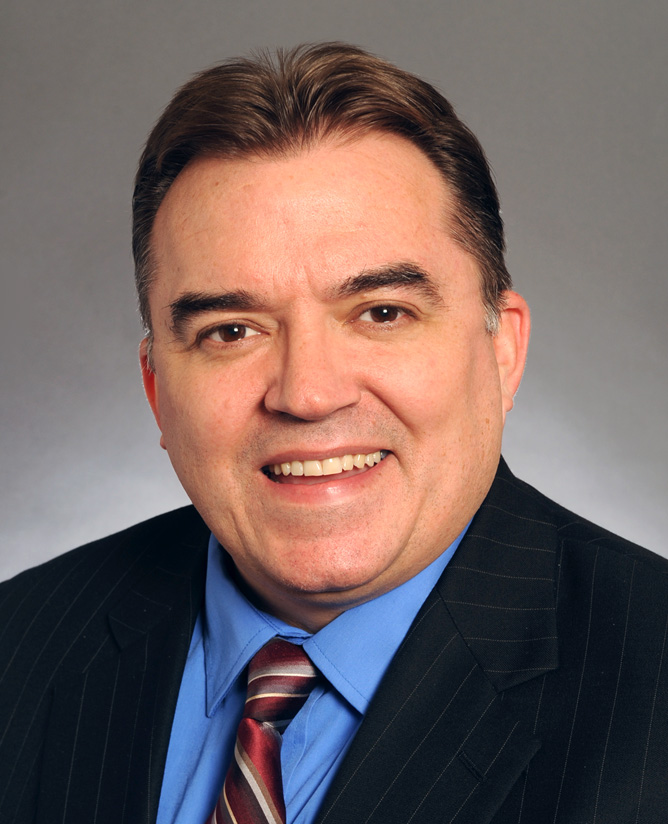
Sen. John Hoffman
Sponsored bills
Maddy summaryThis bill establishes a $10 million grant program to fund infrastructure for manufactured housing cooperatives in Minnesota. Counties and cities can receive grants covering up to 50% of capital costs for infrastructure like sewers, water systems, and streets needed to support these housing developments, with a maximum of $60,000 per housing lot. Applicants must provide nonstate matching funds (cash or in-kind, including land value) and demonstrate the project will increase workforce housing and attract public/private investment. The program requires projects to proceed within five years, or grants must be repaid. The funds come from state bonds and are administered by the Minnesota Housing Finance Agency.
Maddy summaryMinnesota Senate File 1659 appropriates $11.95 million from state bonds to fund capital improvements at the Rum River Dam in Anoka. The funding supports safety upgrades, hydroelectric power generation enhancements, river surfing facilities, and fish passage modifications (or a lock if needed). The city of Anoka will receive a grant from the commissioner of natural resources to implement these specific dam improvements. The bill authorizes the state to sell bonds to cover the cost, effective upon enactment.
Maddy summaryThis bill modifies Minnesota's standards for out-of-home respite care services for children, allowing licensed providers to offer these services in unlicensed residential settings under specific conditions. It requires background checks for all individuals, annual assessments by case managers of the residential environment, and written authorization from a child's legal representative each year. The bill limits services to no more than four children at a time (with sibling sharing permitted), restricts service duration to 46 days per year per child, and prohibits services to adults over 21 in the same residence. Providers must maintain detailed documentation of all compliance requirements, with the changes effective January 1, 2026, or after federal approval.
Maddy summarySF 1669 appropriates $350,000 annually (2026-2027) from Minnesota's arts and cultural heritage fund to the commissioner of agriculture for grants to the Minnesota FFA. The funds will provide new and expanded access for FFA members participating in art- and history-related activities, including up to $125,000 yearly to document 100 years of FFA history through a book, videos, and events. Remaining funds support specific activities like FFA band/choir, talent competitions, floriculture, and fair landscape booths. The bill directly affects Minnesota FFA members and specifies concrete uses for the allocated funds.
Maddy summarySF 1674 establishes the Youth Civic Engagement Act, creating a grant program to fund civic activities for Minnesotans aged 14-24. The bill appropriates funds for eligible organizations (like schools, nonprofits, and community centers) to support programs such as civic education curricula, youth-led projects, mentorship, and events like Youth Civic Engagement Day (designated for the third Friday in October). Grants can cover costs for voting education, community service, digital tools, and outreach to underserved areas. The law aims to address low civic proficiency among youth and barriers like lack of resources or transportation, directly supporting organizations that help young people develop leadership and democratic participation skills.
Maddy summarySF 1591 clarifies the age limit for Minnesota students with disabilities to receive special education services. The bill amends Minnesota Statutes section 125A.03 to specify that services must continue until July 1 after a child turns 22, but cannot extend beyond the completion of secondary school or its equivalent. This directly affects students with disabilities transitioning from K-12 education who would otherwise lose eligibility mid-year upon turning 22. The key provision ensures continuity of services through the end of the school year following a student's 22nd birthday, aligning with federal requirements. The change takes effect for the 2025-2026 school year.
Maddy summaryThis bill establishes a standardized process for prosecutors to designate peace officers with credibility concerns, such as dishonesty or criminal convictions, through a formal "Brady-Giglio list." It requires prosecutors to notify officers in writing before listing them, allow officers to review evidence, and provide access to personnel files and training records upon request. Officers would also gain the right to challenge the designation and submit evidence for reconsideration. The bill directly affects Minnesota law enforcement officers and prosecuting agencies handling criminal cases.
Maddy summaryThis bill modifies how Minnesota calculates reimbursement rates for nursing facilities serving elderly residents. It introduces a "known cost change factor" based on recent minimum wage increases for nursing home workers, which facilities must apply when calculating their direct care costs, other care-related costs, and operating costs. These updated calculations will affect all nursing facilities receiving state reimbursement, directly impacting their funding levels. The changes apply retroactively starting January 1, 2027, and require federal approval for implementation. The bill focuses on aligning reimbursement with actual wage-related cost changes in the sector.
Maddy summarySF 1127, the Damon Leivestad Direct Care Sustainability Act, modifies Minnesota's medical assistance program to directly support employed people with disabilities aged 65 and older. It eliminates asset limits (previously $3,000 individual/$6,000 household) and medical assistance premiums for this group, while establishing new enhanced payment rates for community-based direct care services and supports. The bill also creates "employment incentives asset accounts" allowing these individuals to save up to $17,000 in nonexcluded assets without affecting eligibility. These changes aim to improve financial stability for working people with disabilities and strengthen payment structures for direct care providers. The bill affects approximately 10,000 employed Minnesotans with disabilities aged 65+ and the community care workforce serving them.