

Maddy summaryThis bill appropriates $380,000 for St. Louis County's Voyageur Country ATV trail system and $175,000 for the Prospectors Loop trail system, both to fund design, right-of-way acquisition, permitting, and construction. The funds come from the state's all-terrain vehicle account in the natural resources fund for fiscal year 2026 and are available until June 30, 2028. The bill directly affects St. Louis County by providing one-time grant funding for specific trail development projects. It does not create new policy but allocates existing state resources for infrastructure improvements.
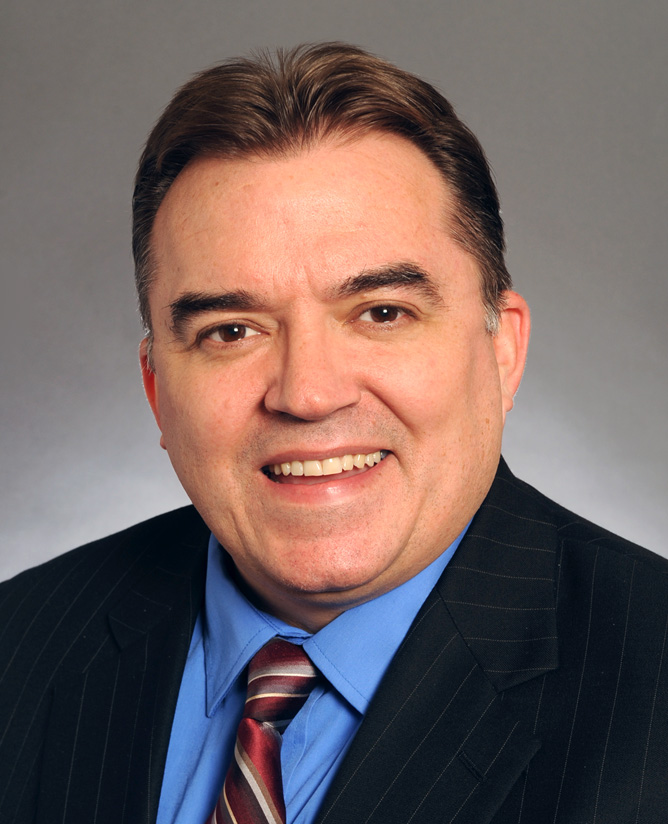
Sen. John Hoffman
Sponsored bills
Maddy summarySF 1039 appropriates $25.8 million for 2026 and $26.9 million for 2027 from the parks and trails fund to the commissioner of natural resources for state parks, recreation areas, and trails. It also allocates $12.9 million for 2026 and $13.46 million for 2027 for regional park and trail grants outside the metro area, requiring projects to meet regional significance criteria and align with the Greater Minnesota Regional Parks Commission's strategic plan. Additionally, $652,000 for 2026 and $679,000 for 2027 funds coordination between agencies, web improvements, and the Parks and Trails Legacy Advisory Committee. The bill extends project funding deadlines for specific trails like the Cannon Valley Trail and Spirit Mountain Recreation Area through June 2027. This bill directs existing fund resources to park maintenance, land acquisition, regional projects, and administrative coordination without creating new policy.
Maddy summarySF 1455 modifies Minnesota's definition of "large energy facility" in statute 216B.2421, subdivision 2. The key change raises the capacity threshold for electric power plants from 50,000 kilowatts to 100,000 kilowatts to qualify as a "large energy facility." This adjustment directly affects new or expanded power generation projects meeting the higher capacity standard. The bill updates the regulatory classification for such facilities without altering other provisions or creating new requirements.
Maddy summaryThis bill implements Minnesota's Program of All-Inclusive Care for the Elderly (PACE) service delivery system. It allows eligible Minnesotans aged 55+ with care needs - such as those qualifying for Medicaid or elderly waivers - to enroll in PACE programs as an alternative to traditional home and community-based waiver services. Key provisions include enabling combined Medicare and Medicaid funding for PACE providers, requiring county approval for disability-related demonstrations, and ensuring voluntary enrollment with protections like the right to change health plans within 60 days. The bill modifies Medicaid rules to establish fair provider rates that don’t exceed current fee-for-service costs.
Maddy summaryThis bill appropriates $2 million from the housing development fund to Isuroon, a nonprofit serving immigrant and refugee families, for rental assistance and eviction prevention services. The funds will cover overdue rent payments to landlords, eviction prevention services, and culturally tailored outreach for Minnesota tenants facing housing instability. Isuroon must report annually by December 15 through 2027 on the number of families served, total rent assistance distributed, and eviction prevention outcomes. This is a one-time fiscal year 2026 appropriation.
Maddy summaryThis bill modifies Minnesota's reimbursement program for volunteer ambulance attendants' education costs. It sets specific payment amounts ($1,200 for initial EMT training, $375 for continuing EMT, $600 for initial EMR, $200 for continuing EMR) and requires ambulance services to have handled 5,000 or fewer calls in the prior year to qualify. Attendants must also serve one year as active members after certification to qualify for reimbursement. The bill appropriates $100,000 for fiscal year 2026 and $100,000 for fiscal year 2027 to fund these reimbursements. It directly affects volunteer ambulance services and their attendants in Minnesota.
Maddy summaryThis bill delays the implementation of new rates for family residential services and life sharing services in Minnesota from 2026 to 2029 (or until federal approval is obtained). It also establishes an Advisory Task Force on Family Residential Services to evaluate proposed rate changes and their impact on providers before final decisions are made. The Task Force includes representatives from foster care providers, county associations, service recipients, and state agencies, and must submit reports to the legislature. This directly affects licensed adult family foster care providers, family residential service agencies, and the Department of Human Services, which must provide administrative support and data for the Task Force's analysis.
Maddy summarySF 1247 modifies pesticide regulations to protect wild rice waters in Minnesota. It requires a "wild rice risk justification" before certain pesticide permits are issued, prohibits watercraft operations threatening uncultivated wild rice beds, and mandates maintaining official maps of wild rice waters. The bill also amends statutes to direct the Department of Natural Resources to develop a pesticide management plan specifically addressing wild rice waters, coordinate with Minnesota Tribal governments, and deposit penalty funds into a pesticide regulatory account. This directly affects pesticide users (farmers, applicators), state agencies, and Tribal governments, with the goal of preventing pesticide contamination in wild rice habitats.
Maddy summaryThis bill establishes a $5 million grant program to help small businesses in Blaine affected by Trunk Highway 65 construction. It provides financial support to businesses employing up to 40 people that experience substantial access issues (like impaired road access, parking, or visibility) for at least one month during the project. Grants cover payroll, operating, or facility costs but cannot fund bonuses, new equipment, or construction. The Commissioner of Employment and Economic Development will prioritize awards based on revenue decline, construction duration, proximity, traffic disruption, and pedestrian access. Annual reports detailing all grants must be submitted starting January 2027.
Maddy summarySF 2439 modifies Minnesota's aging and disability services laws to improve oversight of day services for adults with disabilities and strengthen case management. It requires the commissioner to establish transparent, statewide rates for day training and habilitation services (effective 2026) and mandates that case managers conduct at least one annual face-to-face meeting with each person they serve. The bill also requires county agencies contracting for case management to provide grievance contact information to recipients and use culturally responsive criteria when selecting providers. These changes directly affect adults with disabilities receiving home and community-based waiver services, day services providers, and county agencies administering these programs.