

Maddy summaryHF 2434 modifies Minnesota's human services funding and delivery systems. It establishes a phased-in "patient driven payment model" for healthcare services, creates the Minnesota Caregiver Defined Contribution Retirement Fund Trust, and requires recovery residence certification. The bill also includes specific rules for nursing home bed replacements (e.g., allowing facility repairs after disasters if insurance proceeds cover costs and bed numbers stay the same). These changes directly affect older adults, disability service providers, healthcare facilities, and caregivers by altering payment structures, retirement benefits, and facility certification requirements.
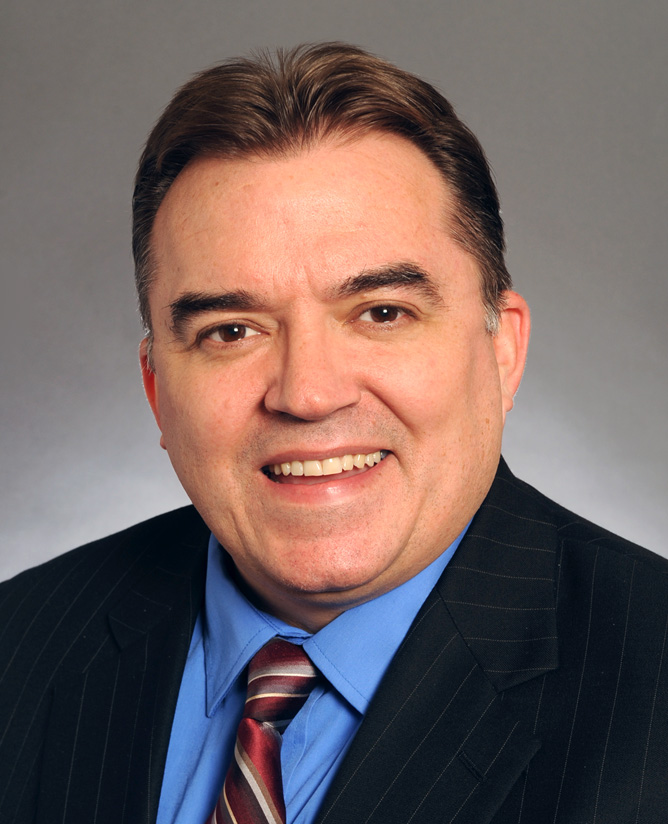
Sen. John Hoffman
Sponsored bills
Maddy summaryThis bill appropriates $500,000 for fiscal year 2026 and $500,000 for fiscal year 2027 from the general fund to create a grant program focused on mental health services for African immigrant families in Minnesota. The commissioner of human services will administer the program, requiring grantees to directly collaborate with these families to address mental health needs. It is a one-time funding allocation, not an ongoing appropriation. The bill specifically targets support for mental health issues within the African immigrant community through community-based grant recipients.
Maddy summarySF 3499 creates a state-managed stockpile of essential medications (both prescription and over-the-counter drugs critical for public health) to address shortages and emergencies. The Minnesota Department of Health will manage the stockpile with input from health experts and pharmacies, developing protocols for inventory tracking, equitable distribution during crises, and coordination with hospitals. The bill appropriates funds for fiscal year 2026 to cover this effort and requires an annual report to legislators detailing the stockpile's status and usage. This directly affects Minnesotans by ensuring access to necessary medications during public health emergencies, such as supply chain disruptions.
Maddy summarySF 3492 repeals Minnesota's 2017 law that required driver's licenses to meet federal REAL ID standards. The repeal, effective July 1, 2026, would end the state's requirement to issue REAL ID-compliant licenses and to provide specific information about REAL ID to applicants. The bill also directs the state to prepare new legislation by February 2026 to update relevant statutes. This change would remove Minnesota's state-level implementation of REAL ID standards, though the federal requirement for REAL ID-compliant licenses to board domestic flights would remain in effect.
Maddy summaryThis bill corrects a specific employer error for one public employee. It requires Robbinsdale School District (ISD 281) to pay retroactive contributions plus interest for unreported pre-1989 service by Alaine Pappin, based on $3,185 in omitted salary. These payments will retroactively establish Pappin's eligibility for a public pension and an unreduced early retirement benefit under existing law. The bill applies solely to this case and does not create a general policy for other employees.
Maddy summaryThis bill amends multiple Minnesota human services laws to clarify program operations and improve service delivery. It establishes standardized statewide rates for day training and habilitation services for adults with disabilities (effective January 2026) and requires case management services for individuals in home and community-based waivers, including developing person-centered support plans. The bill directly affects adults with disabilities receiving day services, waiver participants, and human services providers operating under these programs. Key changes include clarifying the commissioner's oversight duties for day services and requiring transparent, equitable rate-setting processes across the state.
Maddy summaryThis Senate resolution designates the week of May 4 to 10, 2025, as Tardive Dyskinesia Awareness Week in Minnesota. The bill aims to inform the public and medical community about tardive dyskinesia, a movement disorder that can affect people taking certain psychiatric or gastrointestinal medications. By highlighting the condition's symptoms and the importance of regular monitoring, the resolution seeks to increase awareness of a disease that often goes undiagnosed. This measure is symbolic and does not create new laws or funding, but rather encourages individuals to learn more about the issue.
Maddy summaryThis bill appropriates $500,000 from the general fund for a one-time pilot project run by the Organization for Liberians in Minnesota. It directly supports elderly African immigrants in Minnesota by funding culturally relevant health education, wellness resources, and preventive care through medical practitioners with similar backgrounds. The project must provide referrals to culturally competent services and submit an evaluation to the commissioner within six months of completion. The bill focuses on addressing health care access gaps for this specific community through targeted outreach and support.
Maddy summarySF 3054 is a funding bill that allocates state money for Minnesota's human services programs. It directly affects aging services providers, disability service organizations, early intervention programs, and healthcare facilities by establishing new payment structures and requirements. Key provisions include phasing in a "patient driven payment model" for care, creating a retirement fund for caregivers, requiring certification for recovery residences, and mandating stipend payments to certain unionized staff. The bill also requires new reports to track program implementation and modifies multiple state statutes to support these changes.
Maddy summaryThis bill modifies Minnesota's sales tax exemption for construction materials used in large agricultural processing facilities. It expands the exemption to apply to facilities with expected capital investments exceeding $100 million, specifically for processing agricultural crops (excluding livestock, wood, or crop-growing land). The tax would be collected at the standard rate but then refunded per existing procedures. The change applies to sales and purchases made after June 30, 2025.