

Maddy summaryThis bill extends Minnesota's annual assessment on group health insurance companies to fund the state's reinsurance program. It requires these companies to pay an annual fee based on their share of Minnesota health plan premiums, calculated each year to cover reinsurance payments. The fee can be deferred for financially struggling companies under specific conditions, but deferred amounts increase other carriers' assessments proportionally. The funds support the Minnesota Premium Security Plan, which helps stabilize individual health insurance rates by covering high-cost claims.
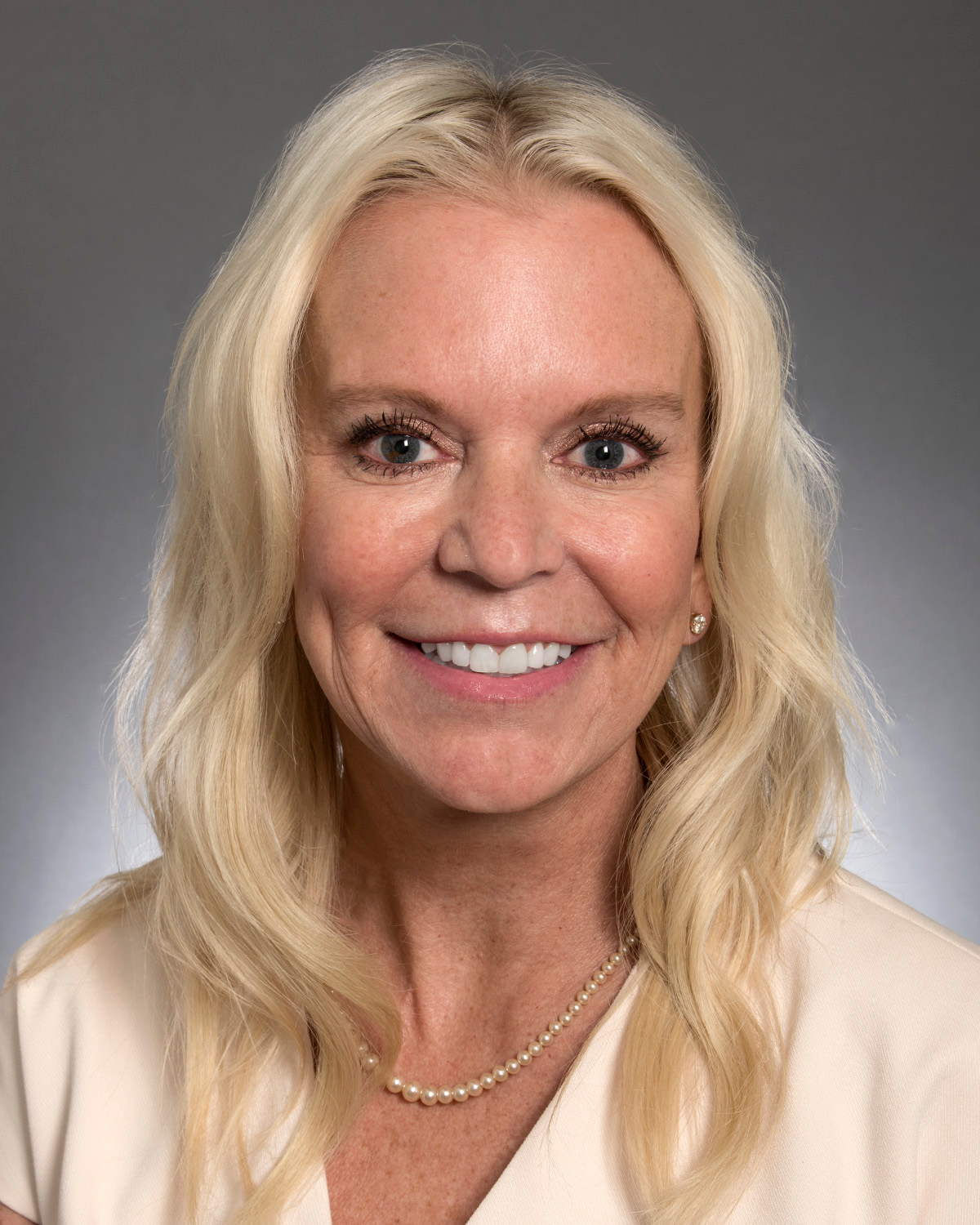
Sen. Karin Housley
Sponsored bills
Maddy summaryThis Senate resolution expresses the state's appreciation for the long-standing partnership between Minnesota and the Province of Québec. It highlights specific achievements such as increased trade, shared environmental goals, and mutual economic investments in sectors like aerospace and aluminum. The bill does not create new laws or change existing policies but serves as a formal statement of goodwill to be shared with the public and media.
Maddy summaryThis bill modifies how Minnesota calculates transition aid for local governments that host electric generating plants powered by coal, nuclear, or natural gas. It changes the criteria for qualifying jurisdictions to receive financial assistance when these power plants retire or switch fuel sources, with new rules taking effect for aid payments in 2027 and later. The legislation updates how aid amounts are calculated based on tax capacity changes and introduces stricter thresholds for continuing to receive aid, including a provision that eliminates aid if a jurisdiction's overall tax capacity grows beyond certain limits. Local governments, public utilities, and the state Department of Revenue are the primary entities affected by these changes to the existing aid program.
Maddy summaryThis bill would allow veterans with a total service-connected disability to park for free at Minneapolis-St. Paul International Airport for up to ten days within any 90-day period starting January 1, 2027. To qualify, veterans must show proof of their 100 percent disability rating through a driver's license, military ID, or a letter from the Veterans Administration. The airport commission must create a process to handle these fee waivers by December 1, 2026, and inform veterans statewide about how to use the benefit.
Maddy summaryThis bill (SF 3361) provides temporary relief for Minnesota school districts from certain new state education mandates. It allows districts to transfer unassigned funds between operating accounts for fiscal years 2025-2029 without increasing state aid or property taxes, requiring written resolutions and public posting. Additionally, districts may formally opt out of complying with specific newly enacted state education laws or rules (referenced as Laws 2023 ch. 53-59 and 2024 ch. 109-115) for the 2025-2026 through 2028-2029 school years, provided they post decisions online and notify the commissioner. The relief applies only to mandates enacted during the 2023-2024 legislative sessions.
Maddy summaryThis bill creates a new special license plate in Minnesota for grandparents, requiring them to pay a standard registration fee plus an additional $35 contribution annually. The plates will feature baby footprints and the text "Minnesota proud grandparents," and can be transferred to another vehicle owned by the same person if they meet the eligibility requirements. All $35 contributions collected from plate holders will be deposited into a food shelf support account, with funds used to administer the program and provide grants for food shelf programs. The bill takes effect on January 1, 2027, for plates issued on or after that date.
Maddy summaryThis bill, SF 4829, limits access to child care centers in Minnesota by restricting when immigration enforcement officials can enter these facilities. It directly affects licensed child care centers, license-exempt centers, and their employees. Under the new law, employees cannot allow immigration officials to enter for civil enforcement purposes unless those officials present a warrant signed by a judicial officer, and employees must request valid identification and a written statement of purpose from any official entering the facility. The law does not prevent entry by officials administering state or federally supported child care programs.
Maddy summaryThis bill authorizes the Minnesota Historical Society to transfer surplus land in Washington County to the city of Marine on Saint Croix for free. The transfer requires approval from the Historical Society's Executive Council and allows the director to make minor corrections to the legal description of the property. The specific land being conveyed is a defined parcel within Block 47 of the Marine plat, located in Washington County. The legislation takes effect the day after it is passed.
Maddy summaryThis bill modifies Minnesota family law to establish a rebuttable presumption that it is in a child's best interest to maximize their time with each parent, aiming to maintain strong parent-child relationships. It requires courts to include specific schedules for regular parenting time, including holidays and school breaks, and mandates written findings when deviating from the 50 percent time presumption. The bill outlines specific circumstances under which courts may deviate from equal time, such as parental mental illness, substance use issues, scheduling conflicts, distance between parents, or special needs of the child. Additionally, it creates a standardized form for self-represented parents to request parenting time modifications and requires courts to assess each parent's ability to comply with the awarded schedule.
Maddy summaryThis bill authorizes a supplemental payment rate for housing support providers in Washington County, Minnesota, to help cover costs for facilities serving adults with mental illness, substance use disorders, or housing instability. The amendment requires county agencies to negotiate an additional monthly rate of up to $1,028 for up to 29 beds at eligible facilities that provide room, board, and 24-hour supervision and support services. The supplemental rate applies retroactively starting April 1, 2026, and includes provisions for legislatively authorized inflation adjustments. This change directly affects housing support providers operating in Washington County and the county agencies responsible for funding their services.