

Maddy summarySF 1227 establishes a grant program to help counties and cities in Greater Minnesota fund public infrastructure (like sewers, water systems, and streets) needed for senior housing projects. It provides grants covering up to 50% of capital costs for eligible projects, requiring nonstate matching funds (cash, other grants, or in-kind contributions like land value). The bill sets specific grant limits: $40,000 per lot for single-family homes, $60,000 for manufactured housing lots, and $180,000 for multifamily units. It appropriates a one-time sum from the general fund for fiscal year 2026 to support this program, directly aiding senior housing developers and local governments in expanding housing options for Minnesotans aged 55+.
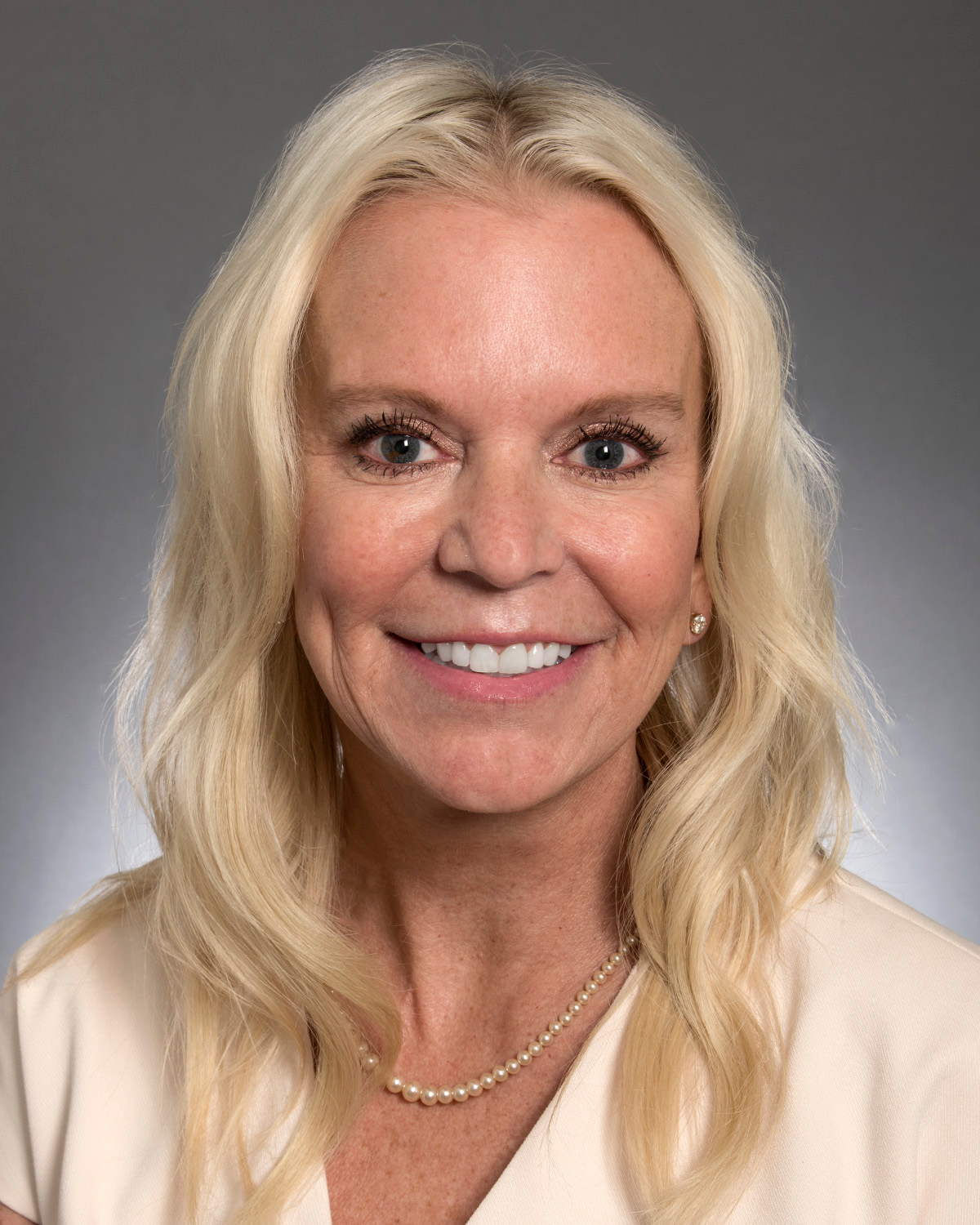
Sen. Karin Housley
Sponsored bills
Maddy summarySF 1145 appropriates $50 million from the state general fund to create the GroundBreak Capital Access and Innovation Fund, administered by the Minneapolis Foundation. It provides three key programs: forgivable business loans (up to $50,000) for eligible startups lacking traditional bank access, equity enhancements (up to $250,000) for commercial real estate projects under $10 million, and forgivable down payment assistance (up to $25,000) for homebuyers in the seven-county metro area meeting income limits. Eligible recipients include small businesses, developers, and homebuyers who meet specific criteria, such as business location, financial need, and completion of technical assistance. The fund aims to expand access to capital for entrepreneurship, commercial development, and homeownership through forgivable loans forgiven after 3-5 years under defined conditions.
Maddy summaryThis bill establishes the Minnesota SNAP Step Up for Seniors program, which provides state-funded supplements to help seniors aged 55+ who receive federal SNAP benefits below $50 per month reach that minimum amount. The state will cover the difference between a senior's federal SNAP benefit and $50, with the supplement added to their existing SNAP benefits. The program ensures the supplemental amount is not counted as income for other assistance programs, and it prioritizes federal funding over state funds if available. It requires the state to appropriate $ for fiscal years 2026-2027 to implement this benefit.
Maddy summaryThis bill appropriates $2,023,000 from state bond proceeds to fund the reconstruction of Myrtle Street in Stillwater, Minnesota, between Owens Street and Main Street. The funds will cover design, reconstruction, and replacement of sidewalks, curbs, gutters, and associated public infrastructure on this specific street segment. The state will issue up to $2,023,000 in bonds under Minnesota law to provide this funding, with the money granted directly to the City of Stillwater. The appropriation becomes effective upon final enactment.
Maddy summaryThis bill appropriates specific funds from Minnesota's renewable development account for a grant to Recycling and Energy and Dem-Con HZI Bioenergy, LLC. The funds will support constructing an anaerobic digestor energy system in Louisville Township, which converts diverted food and organic waste into renewable natural gas and biochar. The project directly affects these two organizations as the grant recipients and the local community through waste processing. The key mechanism is state funding for a specific facility, not broader policy changes.
Maddy summaryThis bill authorizes $1,550,000 in state bonds to fund the design and engineering work for Oak Park Heights' water infrastructure improvements targeting PFAS chemicals (commonly called "forever chemicals") in drinking water. The funds will go directly to the city for planning upgrades to municipal wells and treatment systems to remove PFAS. The state will sell bonds under existing law to cover this cost, with the money coming from the bond proceeds fund. The bill focuses solely on the planning phase, not construction or operational costs. It affects Oak Park Heights residents by addressing PFAS contamination in their local water supply.
Maddy summaryThis bill establishes two specific debt limits for Minnesota's state government. It requires the commissioner to calculate the maximum new debt the state can issue, ensuring debt payments stay under 3% of projected general fund revenue for all state debt, and under 0.6% for certain bond types like agency bonds. These limits apply to new borrowing starting July 2025 and must be included in annual debt forecasts. The bill directly affects how the state manages its borrowing authority for capital projects, preventing excessive debt accumulation relative to revenue.
Maddy summarySF 1006 would exempt reported tip income from Minnesota's individual income tax. Specifically, it adds a new "tip income" subtraction to the tax code, meaning tips that workers already report to their employers (as required by federal law) won't be counted as taxable income. This directly affects tipped workers, such as servers and bartenders, who currently report tips to employers under federal rules. The exemption applies to taxable years beginning after December 31, 2024, and does not change how tips are reported to employers or the IRS.
Maddy summarySF 1012 appropriates $1.3 million from the general fund for wastewater infrastructure improvements at the Veterans Campground on Big Marine Lake in Washington County. The funds are designated for the Disabled Veterans Rest Camp Association to design, construct, and install new sewage systems at the campground. This one-time appropriation is available until project completion or abandonment, as specified in Minnesota law. The bill directly affects the campground's operations and the veterans who use it, with no broader policy changes beyond this specific infrastructure project.
Maddy summarySF 1061 appropriates $5 million from the general fund to Explore Minnesota for a grant to Minnesota Sports and Events. This funding covers costs related to hosting the World Junior Hockey Championships in Minnesota during December 2025 and January 2026. The money must be spent by June 30, 2027. The bill directly affects Minnesota Sports and Events, which will manage the event costs using this state grant.